Tree Mallow
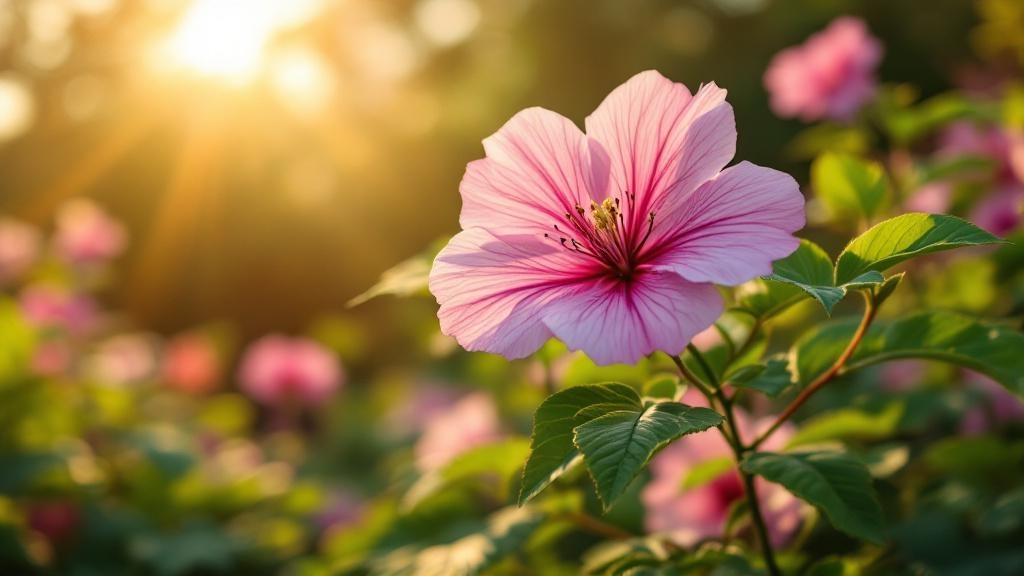
Tree Mallow (Lavatera) is the unsung hero of low-maintenance summer gardens, producing an explosion of silky, hollyhock-like blooms that attract bees and butterflies for months on end. The most common question gardeners ask is whether this vigorous plant will survive winter in temperate climates. The good news: with proper siting and minimal cold-weather care, Tree Mallow thrives in USDA zones 5-8, rewarding you with flowers from early summer until the first hard frost.
Watering Tree Mallow: Less Is More
Water newly planted Tree Mallows deeply once a week for the first growing season to establish strong roots. Once established, Lavatera is remarkably drought-tolerant and only needs supplemental watering during prolonged dry spells in July and August. Overwatering causes root rot and weak, leggy growth. In temperate regions, natural rainfall typically provides adequate moisture from September through May.
Light Requirements for Maximum Blooms
Tree Mallow demands full sun to flower prolifically, requiring at least 6 hours of direct sunlight daily. In partially shaded spots, plants become lanky with sparse blooms and are more susceptible to fungal diseases. Position against a south or west-facing wall for best results in northern temperate gardens. The reflected warmth also helps plants survive harsh winters.
Soil and Repotting Needs
Plant Tree Mallow in any well-draining soil, including poor, sandy, or chalky ground where other shrubs struggle. Avoid heavy clay unless amended with grit, as waterlogged roots cause rapid decline. Lavatera rarely needs repotting when container-grown; if roots emerge from drainage holes, move up one pot size in early April. Add no more than 20% compost to prevent overly rich conditions that favor foliage over flowers.
Temperature and Humidity Preferences
Tree Mallow tolerates temperatures down to -15°C (5°F) but benefits from winter protection in exposed gardens. Apply a 10cm layer of bark mulch around the base in late November to insulate roots. In zones 5-6, consider growing against a sheltered wall or wrapping stems with horticultural fleece during severe cold snaps. Average humidity suits this Mediterranean native perfectly; avoid planting in damp, airless corners.
Fertilizing for Abundant Flowers
Feed Tree Mallow sparingly — excessive nutrients produce lush leaves at the expense of blooms. Apply a single dose of balanced granular fertilizer (such as Growmore or fish blood and bone) in late March as growth resumes. Container plants benefit from a half-strength liquid tomato feed every 3-4 weeks from May to August. Stop feeding entirely by early September to allow stems to harden before winter.
Common Problems and Solutions
Rust fungus appears as orange pustules on leaf undersides during humid summers; remove affected foliage promptly and improve air circulation by thinning crowded stems. Capsid bugs cause distorted shoot tips and ragged holes in young leaves from May onwards; spray with pyrethrum-based insecticide if damage is severe. Sudden wilting despite adequate water often indicates honey fungus or root rot — sadly, affected plants should be removed and the soil replaced before replanting.
Frequently asked questions
How often should I water Tree Mallow?
Water established Tree Mallow only during extended dry periods in summer, roughly every 10-14 days if no rain falls. Newly planted specimens need weekly deep watering through their first growing season. Overwatering is more harmful than underwatering for this drought-adapted shrub.
Why are my Tree Mallow leaves turning yellow?
Yellow leaves on Tree Mallow typically indicate overwatering or poor drainage causing root stress. Check that soil drains freely and reduce watering frequency. Yellowing lower leaves in autumn is natural senescence before winter dormancy and not cause for concern.
When does Tree Mallow bloom?
Tree Mallow blooms from early June through October in temperate climates, with peak flowering in July and August. Deadheading spent flowers every few weeks encourages continuous blooming. Some varieties may produce sporadic flowers into November if autumn stays mild.
Is Tree Mallow toxic to cats?
Tree Mallow is non-toxic to cats, dogs, and horses, making it a safe choice for pet-friendly gardens. All parts of the plant are considered harmless if ingested. However, eating large quantities of any plant material may cause mild stomach upset in pets.
How do I prune Tree Mallow for winter?
Prune Tree Mallow hard in late March or early April, cutting all stems back to 30-45cm from the ground. Avoid autumn pruning, as old growth protects the crown from frost damage over winter. This annual hard pruning prevents the woody, bare-legged appearance older plants develop.