ZZ Plant
The ZZ plant (Zamioculcas zamiifolia) has become a favorite among European and North American houseplant lovers because it survives harsh indoor conditions where other plants fail. Its waxy, emerald-green leaflets and elegant upright stems add sophistication to any room. The most common question new ZZ owners ask is how often to water—and the answer surprises many: much less frequently than you'd expect.
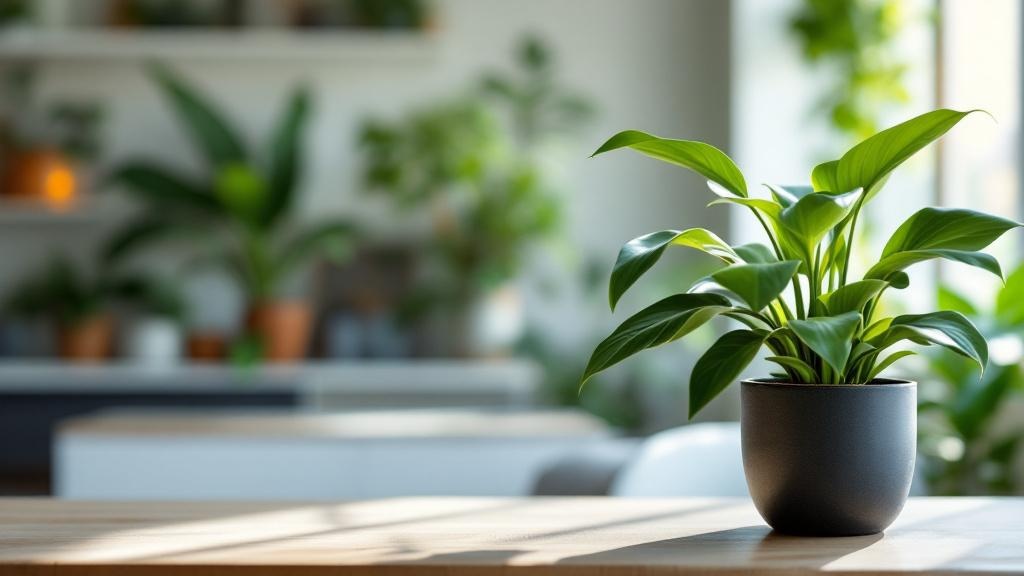
Watering Your ZZ Plant
ZZ plants store water in their rhizomes, so they need far less water than most houseplants. Water thoroughly every 2-3 weeks in growing season (April to September), then reduce to every 3-4 weeks in winter (October to March). Before watering, always check that the top 5 cm of soil is completely dry—if it's still moist, wait another 3-5 days. Overwatering is the number one killer of ZZ plants in temperate homes; root rot develops quickly in soggy soil.
Light Requirements for ZZ Plants
ZZ plants are remarkably shade-tolerant and actually prefer bright indirect light rather than direct sun. They thrive in office corners with only fluorescent overhead light, and they do equally well on a north-facing windowsill in the UK or Central Europe. In summer, move your plant away from south or west-facing windows where afternoon sun might scorch the glossy leaves. If your ZZ plant starts growing very slowly or develops pale, small new leaves, it may need more light—try relocating it 1-2 meters closer to a window.
Soil and Repotting
Use a well-draining houseplant potting mix, or amend standard potting compost with 20-30% perlite or orchid bark to prevent waterlogging. Repot only every 2-3 years in spring (March to April in temperate zones), and only if roots are circling the pot rim or emerging from drainage holes. ZZ plants grow slowly and actually prefer being slightly root-bound, so don't upsize the pot more than 2-3 cm in diameter at a time. Always use a pot with drainage holes to allow excess moisture to escape.
Temperature and Humidity
ZZ plants thrive in temperatures between 16-24°C and tolerate the dry heated air of European and North American homes well, though they appreciate occasional misting in very dry winter months. Avoid placing your ZZ near radiators, air conditioning vents, or draughty doors, as sudden temperature swings can stress the plant. ZZ plants don't require high humidity like ferns or orchids do, but wiping the leaflets with a soft, damp cloth every 4-6 weeks keeps them dust-free and allows better light absorption.
Fertilizing Your ZZ Plant
During the active growing season (April through August), feed your ZZ plant with a balanced, diluted houseplant fertilizer every 4-6 weeks. Use half-strength liquid fertilizer (10-10-10 NPK) applied to moist soil, or use a slow-release pellet once in spring. In autumn and winter, stop fertilizing altogether as growth naturally slows. Over-fertilizing causes salt buildup in the soil, which can damage the rhizomes and lead to browning leaf tips.
Common Problems and Solutions
Yellow leaves usually signal overwatering or poor drainage—check that water drains freely and let the plant dry out more between waterings. Spider mites occasionally attack ZZ plants in warm, dry indoor air; mist the foliage weekly and spray with neem oil if webbing appears. Brown or blackened stems indicate root rot from standing water; repot into fresh, dry soil immediately and remove any soft, mushy roots. Brown leaf tips in winter often reflect low humidity or salt accumulation—flush the soil with distilled water or mist the leaves more often.
Frequently asked questions
How often should I water my ZZ plant?
Water every 2-3 weeks in spring and summer, reducing to every 3-4 weeks in autumn and winter. Always let the top 5 cm of soil dry out completely before watering again. Overwatering causes root rot faster than any other mistake with ZZ plants.
Can ZZ plants grow in low light?
Yes, ZZ plants thrive in low to medium indirect light and are one of the best houseplants for dim rooms or offices with only artificial lighting. They actually prefer indirect light to direct sun, which can fade the leaves.
Why are my ZZ plant leaves turning yellow?
Yellow leaves almost always mean the soil is too wet. Check that your pot has drainage holes, reduce watering frequency, and ensure you're letting soil dry fully between waterings. If roots smell musty, repot into fresh, dry compost and remove any soft, blackened roots.
Is a ZZ plant toxic to cats and dogs?
ZZ plants are mildly toxic to cats and dogs if ingested, causing mild mouth and stomach irritation. Keep the plant away from curious pets, but accidental nibbling rarely causes serious harm. Wear gloves when handling to avoid skin irritation from the plant's oxalates.
When does a ZZ plant flower?
ZZ plants rarely flower indoors in temperate climates; they're grown primarily for their glossy foliage rather than blooms. In ideal warm conditions (above 25°C), mature plants may eventually produce small greenish-yellow spathes, but this is uncommon in UK and Central European homes.