Black Elderberry
Black Elderberry has been a garden staple across Europe and North America for centuries, valued for both its ornamental beauty and culinary uses. The most common question gardeners ask is whether elderberry is easy to grow — and the answer is a resounding yes. This adaptable native shrub tolerates a wide range of conditions and establishes quickly, making it perfect for beginner gardeners and wildlife-friendly landscapes alike.
Watering Your Black Elderberry Through the Seasons
Water newly planted elderberries deeply once per week during their first growing season to establish strong roots. Mature shrubs are remarkably drought-tolerant but produce better harvests with consistent moisture, especially during flowering in June and berry development in August. In temperate climates, natural rainfall usually suffices, but provide supplemental water during dry spells exceeding two weeks. Mulch around the base in late March to retain soil moisture.
Light Requirements for Healthy Growth
Black Elderberry performs best in full sun with at least 6 hours of direct light daily, which maximizes flower and berry production. However, it tolerates partial shade well, making it suitable for woodland edges or north-facing garden borders. In hot summers, afternoon shade can prevent leaf scorch. Avoid deep shade, which leads to leggy growth and poor fruiting.
Soil Preparation and Transplanting
Plant elderberries in moist, fertile soil enriched with compost or well-rotted manure. They tolerate a wide pH range from 5.5 to 8.0 but prefer slightly acidic to neutral conditions. The best planting time is late October through early March while dormant. Space multiple shrubs 2 to 3 meters apart, as they spread vigorously through suckers and can reach 3 to 4 meters in height within five years.
Temperature and Humidity Tolerance
Black Elderberry is exceptionally cold-hardy, surviving temperatures down to minus 30 degrees Celsius without protection. It thrives in the variable humidity of temperate climates and tolerates exposed, windy sites once established. Late spring frosts in April or May can damage emerging flower buds, so avoid frost pockets if reliable harvests are important. No overwintering protection is needed in zones 5 through 8.
Feeding Your Elderberry Shrub
Apply a balanced slow-release fertilizer in early April as new growth begins, using approximately 100 grams per established shrub. Alternatively, top-dress with 5 centimeters of compost or aged manure in late March. Avoid high-nitrogen feeds after midsummer, as this promotes soft growth vulnerable to winter damage. Established shrubs in fertile soil often need no supplemental feeding at all.
Common Problems and How to Solve Them
Blackfly aphids frequently colonize elderberry shoot tips in May and June; blast them off with a strong water jet or apply insecticidal soap if infestations are severe. Elderberry borer larvae can tunnel into older stems, causing dieback — prune out and destroy affected canes in late winter. Powdery mildew may appear in humid summers, particularly on crowded plants; improve air circulation through annual pruning and avoid overhead watering.
Frequently asked questions
How often should I water Black Elderberry?
Water young elderberries once per week during the first year, then reduce to supplemental watering only during extended dry periods. Mature shrubs are drought-tolerant and typically thrive on rainfall alone in temperate climates. During fruit development in late summer, extra water improves berry size and juiciness.
Why are my elderberry leaves turning yellow?
Yellow elderberry leaves usually indicate overwatering, poor drainage, or nitrogen deficiency. Check that your soil drains well and reduce watering frequency if the ground stays soggy. If drainage is adequate, apply a balanced fertilizer in early spring and add compost to improve soil nutrition.
When does Black Elderberry bloom and fruit?
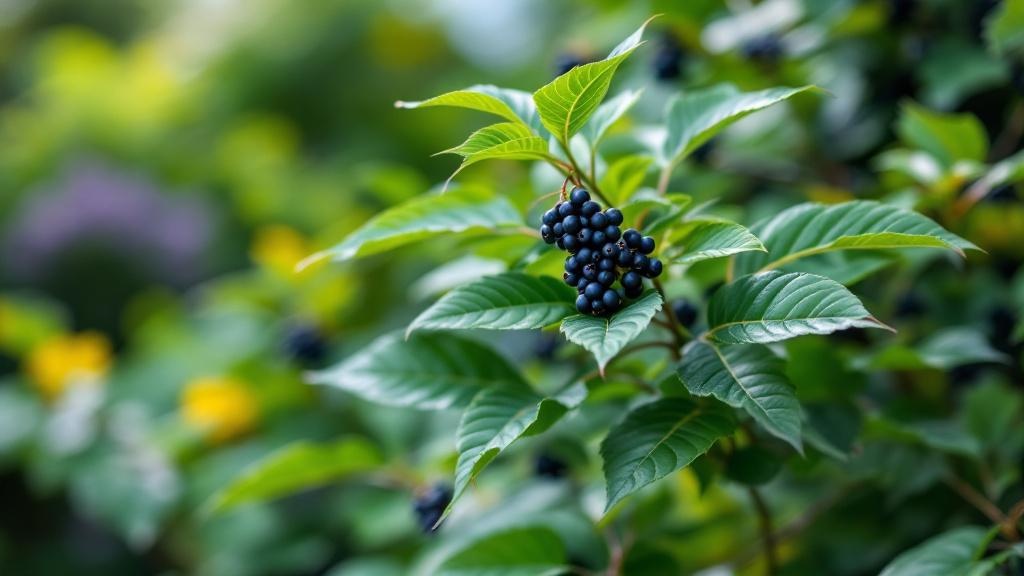
Black Elderberry blooms in late May to mid-June, producing large flat clusters of creamy white flowers. Berries ripen from late August through September, turning deep purple-black when ready to harvest. In temperate climates, expect flowers about 2 years after planting and good harvests by year 3.
Is Black Elderberry toxic to cats and dogs?
Yes, raw elderberries, leaves, stems, and bark are toxic to cats and dogs due to cyanogenic glycosides. Symptoms of ingestion include vomiting, diarrhea, and weakness. Plant elderberries away from areas where pets dig or graze, and never leave harvested raw berries within their reach.
How do I prune Black Elderberry and when?
Prune Black Elderberry in late February or early March while still dormant. Remove one-third of the oldest stems at ground level each year to encourage vigorous new growth, which produces the best flowers and fruit. Also remove dead, damaged, or crossing branches to maintain good air circulation and plant health.