Fountain Grass
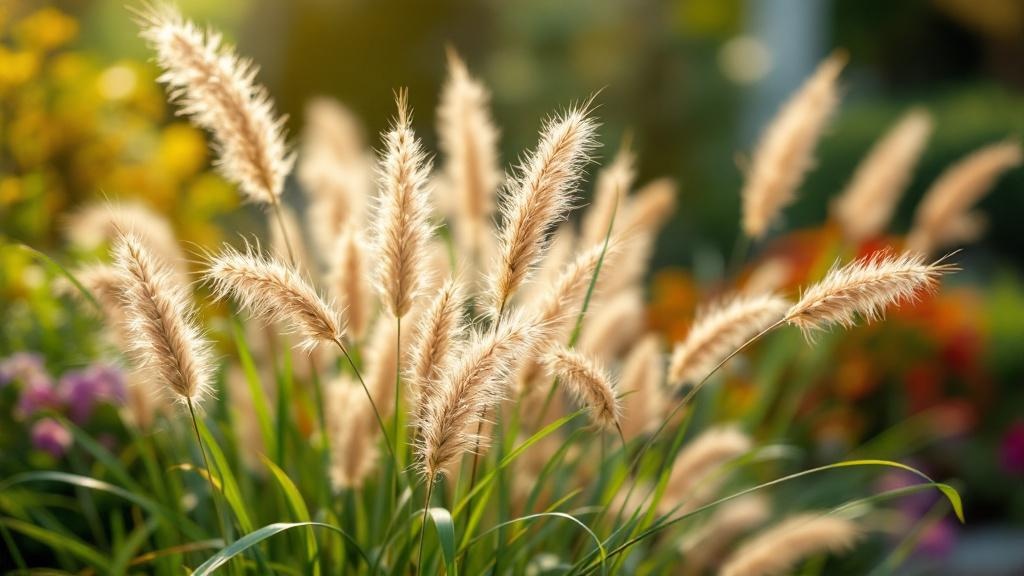
Fountain Grass (Pennisetum alopecuroides) is one of the most popular ornamental grasses for temperate gardens, prized for its elegant fountain-like form and feathery seed heads that catch the autumn light. The most common question gardeners ask is when and how to cut it back. This hardy perennial thrives in USDA zones 5-8, requiring minimal care once established while providing year-round interest from its flowing foliage and distinctive plumes that persist into winter.
Watering Your Fountain Grass
Water newly planted Fountain Grass deeply once per week during the first growing season to establish strong roots. Once established after the first year, this grass is remarkably drought-tolerant and typically only needs supplemental watering during extended dry spells in July and August. Overwatering is more harmful than underwatering; ensure the soil dries out between waterings. In autumn, reduce watering as the plant enters dormancy.
Light Requirements for Healthy Growth
Fountain Grass performs best in full sun, requiring at least 6 hours of direct sunlight daily for optimal flowering and that characteristic arching form. Plants grown in partial shade will be looser, floppier, and produce fewer plumes. In Northern UK or cooler regions, full sun is essential to ensure the plant receives enough warmth. Avoid deep shade, which results in weak growth and minimal flowering.
Soil and Repotting Fountain Grass
This adaptable grass tolerates a wide range of soils from sandy to clay, provided drainage is adequate. Avoid waterlogged sites, especially in winter, as wet roots combined with cold temperatures will kill the plant. When planting in spring (late April to May), amend heavy clay with coarse grit to improve drainage. Container-grown specimens need repotting every 2-3 years in spring, dividing if the clump becomes congested.
Temperature and Humidity Needs
Fountain Grass is fully hardy in temperate climates, tolerating temperatures down to minus 20 degrees Celsius once established. New plantings in late autumn are vulnerable, so plant by mid-September or wait until spring. In colder areas of zone 5, apply a 10cm mulch of straw or bark around the crown after the first hard frost in November. Average humidity is perfectly suitable; this grass handles both damp British autumns and drier continental conditions.
Fertilizing for Stronger Plumes
Fountain Grass is a light feeder and rarely requires fertilization in average garden soil. If growth seems weak, apply a balanced slow-release granular fertilizer (such as 10-10-10) once in mid-April as new shoots emerge. Avoid high-nitrogen feeds, which encourage floppy growth at the expense of flowers. Over-fertilizing is a common mistake that leads to lush foliage that collapses outward, ruining the plant's form.
Common Problems and Solutions
The most frequent issue is crown rot from waterlogged winter soil; improve drainage or raise the planting area if losses occur. Aphids occasionally colonize new spring growth in May but are rarely serious and can be hosed off or left for ladybirds to control. In wet summers, fungal leaf spots may appear as brown patches; remove affected foliage and ensure good air circulation. Rabbits and deer generally leave Fountain Grass alone, making it ideal for rural gardens.
Frequently asked questions
When should I cut back Fountain Grass?
Cut back Fountain Grass in late February to mid-March, just before new growth emerges. Leave the foliage standing through winter as it protects the crown from frost and provides winter interest. Use hedge shears or a powered trimmer to cut the entire clump to 10-15cm above ground level.
Why is my Fountain Grass not flowering?
Insufficient sunlight is the most common reason Fountain Grass fails to produce plumes. This grass needs at least 6 hours of direct sun daily to flower well. Other causes include cutting back too late in spring (which removes flower buds), over-fertilization with nitrogen, or the plant being too young, as divisions may take a year to establish before blooming.
How do I divide Fountain Grass?
Divide Fountain Grass in mid-spring, typically late April, when new green shoots are 5-10cm tall. Dig up the entire clump and use a sharp spade or old bread knife to cut through the dense root mass into sections with at least three growing points each. Replant immediately at the same depth and water thoroughly.
Is Fountain Grass invasive?
Pennisetum alopecuroides is not considered invasive in temperate climates like Central Europe or Northern US. Unlike its tender cousin Pennisetum setaceum, this species is clump-forming and does not spread aggressively by runners. It may self-seed lightly in ideal conditions, but seedlings are easy to remove and rarely problematic.
Can Fountain Grass grow in pots?
Yes, Fountain Grass grows well in containers at least 40cm wide and deep. Use a loam-based compost mixed with perlite for drainage, and ensure pots have drainage holes. Container plants need more frequent watering in summer and should be moved to a sheltered spot or wrapped in fleece during harsh winters, as roots in pots are more vulnerable to freezing.