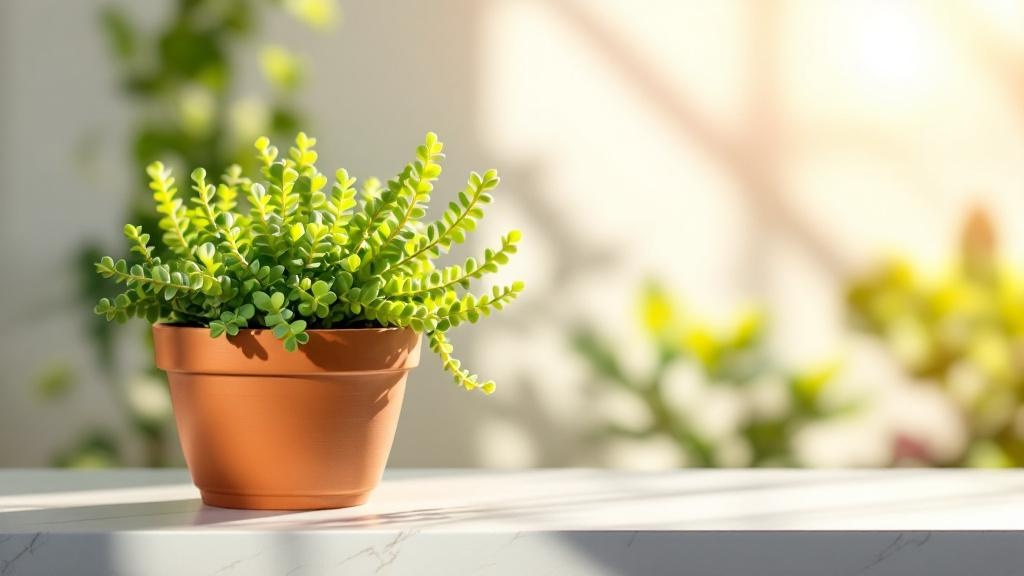
Ox Tongue
Gasteria, commonly called Ox Tongue for its thick, tongue-shaped leaves, is one of the most forgiving succulents for indoor growing in temperate climates. Native to South Africa, it thrives in conditions that would stress most succulents: lower light and cooler temperatures. The most common question growers ask is how to avoid overwatering, which remains the primary killer of these otherwise bulletproof plants. With proper care, Gasteria rewards patience with offsets and tubular orange-pink flowers in late winter.
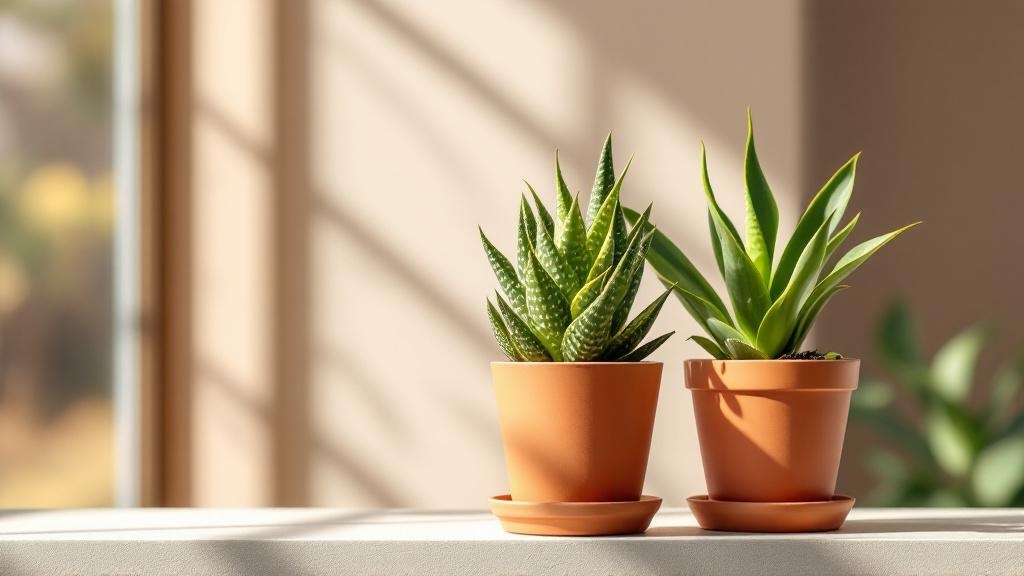
Watering Your Ox Tongue: Less Is More
Water your Gasteria thoroughly every 2-3 weeks during the growing season (April through September), allowing soil to dry completely between waterings. In winter, reduce to once monthly as growth slows dramatically. Always empty saucers after 30 minutes to prevent root rot. The thick leaves store water efficiently, so when in doubt, wait another few days before watering.
Light Requirements: The Low-Light Succulent Champion
Unlike most succulents, Gasteria tolerates and even prefers bright indirect light over direct sun. An east-facing window or a spot 1-2 meters from a south-facing window works perfectly. Direct afternoon sun, especially through glass in summer, can scorch the leaves, causing brown patches. This shade tolerance makes Ox Tongue ideal for north-facing rooms where other succulents struggle.
Soil and Repotting Gasteria
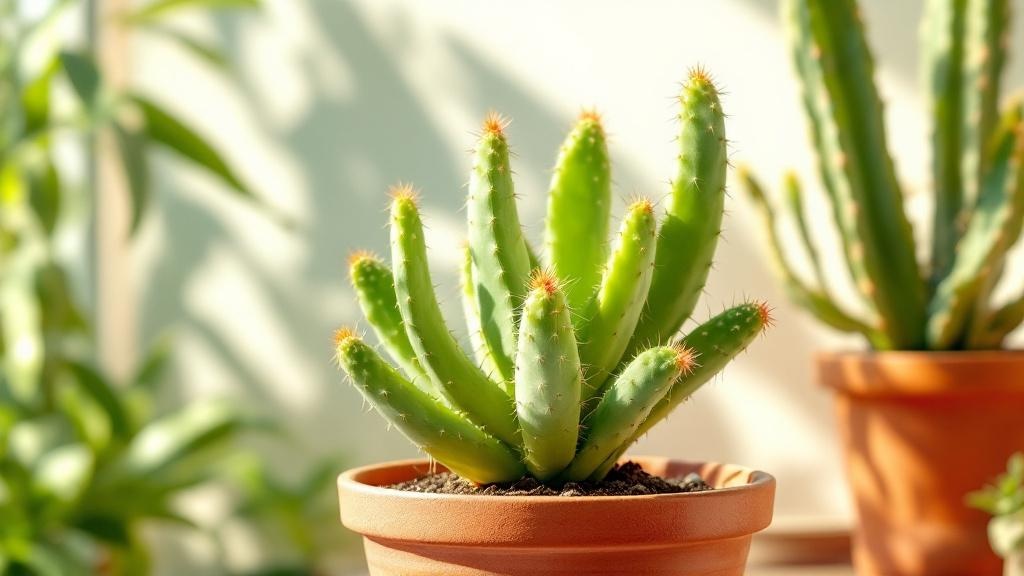
Use a fast-draining cactus and succulent mix, or create your own by combining regular potting soil with 50% perlite or coarse sand. Repot every 2-3 years in spring, moving up only one pot size. Gasteria has shallow roots and prefers being slightly rootbound. Terracotta pots work excellently as they wick away excess moisture and prevent waterlogging.
Temperature and Humidity for Ox Tongue
Gasteria thrives in typical room temperatures between 15-25°C during the growing season. In winter, it tolerates cooler conditions down to 10°C, which actually encourages spring flowering. Avoid placing near cold draughts or radiators. Average household humidity is perfectly adequate; this succulent requires no misting and actually resents excess moisture on its leaves.
Fertilizing Your Gasteria
Feed monthly from April through August with a balanced liquid fertilizer diluted to half strength, or use a specialized cactus feed. Do not fertilize from September through March when the plant is semi-dormant. Overfertilizing causes leggy, weak growth and can burn roots. A light annual top-dressing with worm castings in early spring provides gentle, slow-release nutrition.
Common Problems and How to Fix Them
Root rot from overwatering is the most frequent issue: mushy, translucent leaves at the base indicate trouble. Remove affected leaves, let the plant dry out completely, and repot in fresh dry soil. Mealybugs occasionally appear as white cottony masses in leaf crevices; treat with rubbing alcohol on a cotton swab or neem oil spray. Brown, crispy leaf tips usually signal sunburn or underwatering; move to shadier spot or increase watering frequency slightly.
Frequently asked questions
How often should I water my Ox Tongue plant?
Water your Ox Tongue every 2-3 weeks in spring and summer, reducing to once monthly in winter. Always let the soil dry completely between waterings. The thick leaves store water, making this succulent very drought-tolerant and prone to overwatering damage.
Why are my Gasteria leaves turning yellow?
Yellow leaves on Gasteria typically indicate overwatering or root rot. Check the soil moisture and roots immediately; healthy roots are white, while rotted roots appear brown and mushy. Reduce watering frequency and ensure your pot has drainage holes.
Can Gasteria grow in low light?
Yes, Gasteria is one of the best succulents for low-light conditions. It naturally grows in shaded rocky outcrops and adapts well to north-facing windows or spots away from direct sun. Growth will be slower in low light, but the plant remains healthy.
Is Ox Tongue toxic to cats?
No, Gasteria is non-toxic to cats, dogs, and humans according to the ASPCA. This makes it an excellent choice for pet-friendly households. The tough leaves are also unappetizing to most pets, reducing any risk of nibbling damage.
When does Gasteria flower indoors?
Gasteria typically blooms in late winter to early spring (February to April) when grown indoors in temperate climates. A cooler winter rest period around 10-15°C encourages flowering. The tubular orange-pink flowers appear on tall stalks and last several weeks.