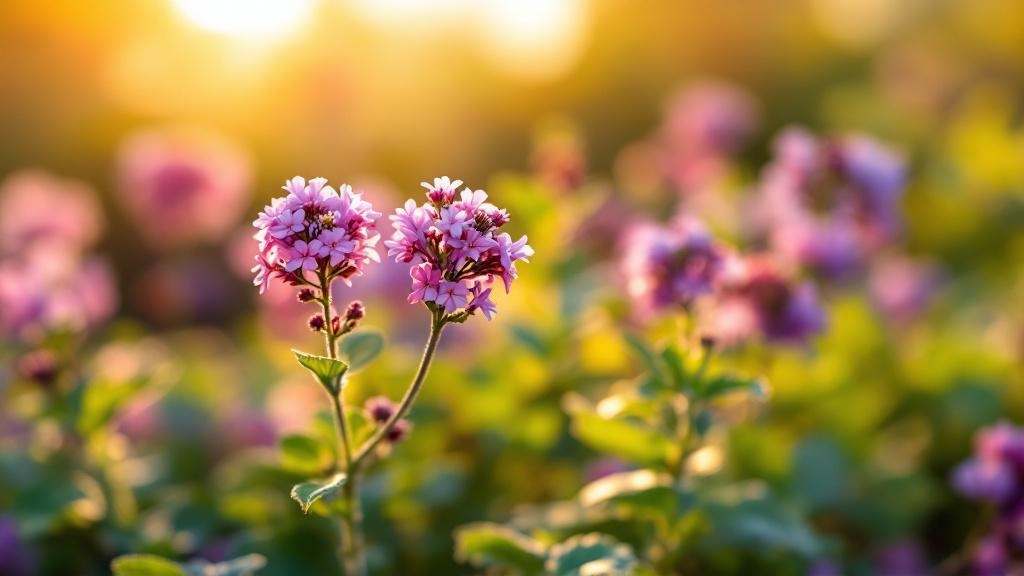
Verbena
Verbena has earned its place as a garden favorite for good reason: few plants deliver such continuous color with relatively modest care demands. From hanging baskets to border plantings, this versatile flower keeps blooming when many others fade in summer heat. The most common question gardeners ask is how to keep verbena flowering all season without it becoming leggy or succumbing to powdery mildew, a challenge easily solved with the right watering and positioning techniques.
Watering Verbena: Finding the Sweet Spot
Water verbena deeply every 5-7 days, allowing the top 3-4 cm of soil to dry between waterings. Container-grown plants need more frequent watering during July and August heat waves, sometimes every 2-3 days. Always water at soil level in the morning to keep foliage dry and prevent fungal issues. Reduce watering significantly from October onwards if overwintering indoors.
Light Requirements for Maximum Blooms
Verbena demands full sun to perform its best, requiring at least 6 hours of direct sunlight daily. In temperate climates, a south or west-facing position works ideally. Plants grown in partial shade become leggy and produce significantly fewer flowers. During the intense heat of late July, some afternoon shade can actually benefit plants in containers.
Soil and Repotting Essentials
Plant verbena in well-draining soil with a slightly acidic to neutral pH of 6.0-7.0. Mix standard potting compost with perlite or grit at a 3:1 ratio for containers. Repot container verbena annually in early April before the main growing season begins. In garden beds, improve heavy clay soils with organic matter and sharp sand to prevent waterlogging.
Temperature and Humidity Preferences
Verbena thrives in temperatures between 10-30°C and tolerates summer heat well once established. Plants are not frost-hardy and should be brought indoors or treated as annuals in USDA zones 5-7. Move container plants to a bright, cool location around 10-15°C in late September before first frost. Verbena prefers moderate humidity and good air circulation to prevent disease.
Feeding Your Verbena for Continuous Blooms
Apply a balanced liquid fertilizer every 2 weeks from May through September during active growth. Use a high-potassium feed like tomato fertilizer to encourage more flowers over foliage. Slow-release granules applied at planting time in April can reduce the need for regular feeding. Stop fertilizing by early October if overwintering plants indoors.
Common Verbena Problems and Solutions
Powdery mildew appears as white patches on leaves during humid spells in late summer; improve air circulation and avoid overhead watering to prevent it. Spider mites attack stressed plants during dry periods, causing stippled leaves; mist regularly and treat severe infestations with insecticidal soap. Aphids cluster on new growth from May onwards and can be controlled with a strong water spray or neem oil applications.
Frequently asked questions
How often should I water verbena?
Water verbena every 5-7 days, allowing the top few centimeters of soil to dry between waterings. Container plants need more frequent watering during summer heat, potentially every 2-3 days. Always check soil moisture before watering rather than following a rigid schedule.
Why are my verbena leaves turning yellow?
Yellow leaves typically indicate overwatering or poor drainage causing root stress. Check that your container has adequate drainage holes and reduce watering frequency if the soil stays consistently wet. Yellowing can also result from nutrient deficiency if the plant has been growing in the same soil for over a year without feeding.
When does verbena bloom?
Verbena blooms from late May through to the first hard frost, typically late October in temperate climates. Deadheading spent flower clusters every week or two encourages continuous blooming throughout the season. Some modern cultivars are self-cleaning and require less maintenance to keep flowering.
Is verbena toxic to cats?
Verbena is generally considered non-toxic to cats and dogs. While ingesting large quantities of any plant material may cause mild stomach upset, verbena is not listed as a poisonous plant by major veterinary authorities. It remains a safe choice for households with curious pets.
Can verbena survive winter outdoors?
Verbena cannot survive winter outdoors in USDA zones 5-7 where temperatures regularly drop below minus 5°C. In zone 8 and milder areas, plants may return from the roots if given a thick mulch layer. Most gardeners in temperate climates either treat verbena as an annual or bring containers indoors to a cool, bright spot for overwintering.