Spider Flower
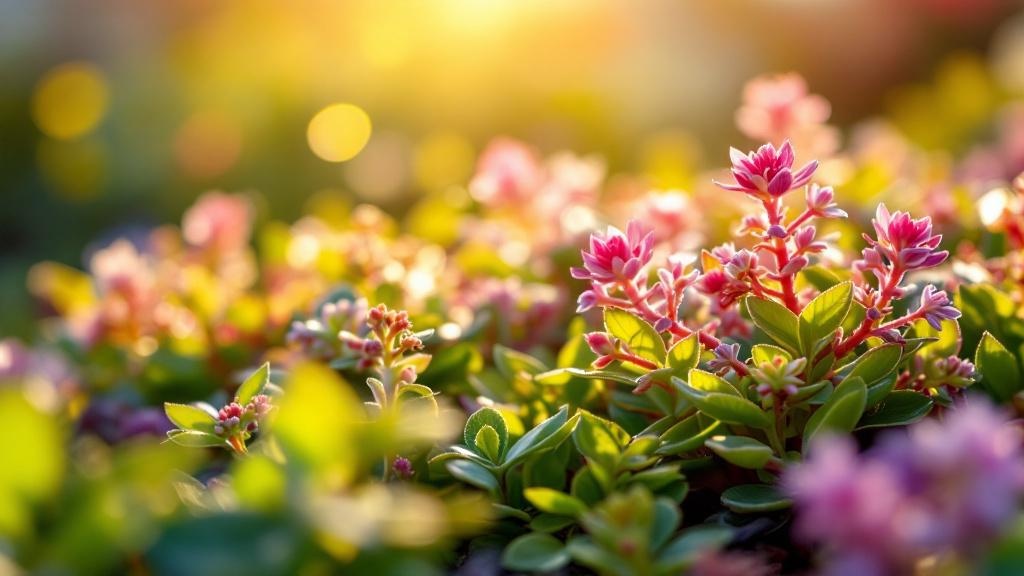
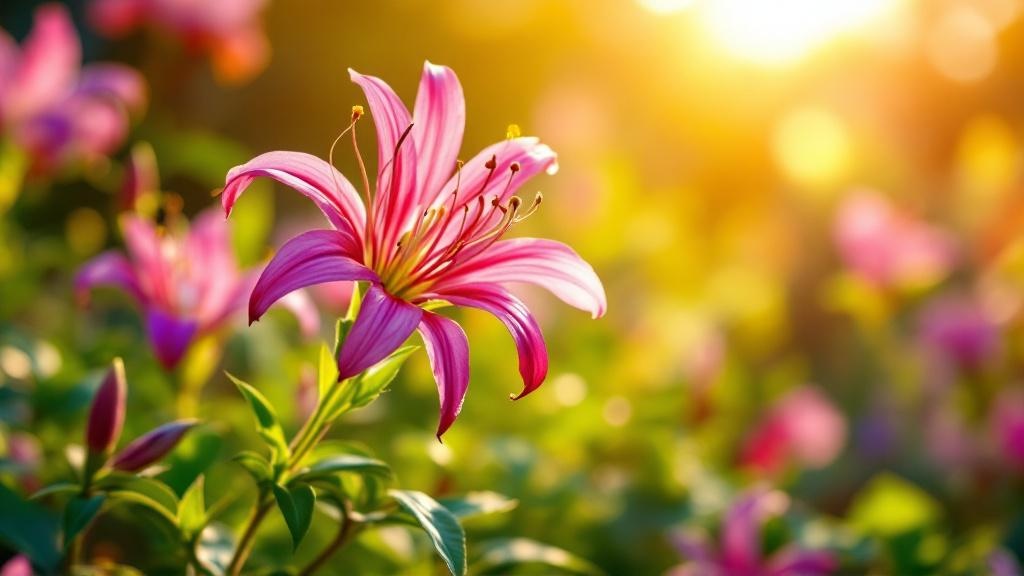
Spider Flower earns its name from the long, wispy stamens that give each bloom an otherworldly, spider-like appearance. This fast-growing annual reaches 90-150 cm tall and produces continuous flowers from July through October in temperate climates. The most common question gardeners ask is how to get Cleome to bloom reliably without becoming leggy. Native to South America, this heat-lover has adapted beautifully to temperate summers and self-seeds generously once established.
Watering Your Spider Flower
Water Cleome deeply once per week during the growing season, increasing to twice weekly during July and August heatwaves. Allow the top 3-5 cm of soil to dry between waterings. Established plants are reasonably drought-tolerant, but consistent moisture produces more abundant blooms. Water at soil level in the morning to keep foliage dry and prevent fungal issues.
Light Requirements for Cleome
Spider Flower thrives in full sun, requiring at least 6 hours of direct light daily for the best blooming. In warmer Zone 7-8 areas, afternoon shade helps prevent wilting during August heat spells. Plants grown in too much shade become leggy and produce fewer flowers. South or west-facing beds are ideal locations in temperate gardens.
Soil and Repotting Needs
Cleome performs best in well-draining soil with average fertility. Overly rich soil promotes foliage at the expense of flowers. Before planting seedlings in late May, work in some compost to improve drainage in heavy clay soils common in Central Europe and the UK. No repotting needed as this is an annual, but space plants 45-60 cm apart to allow good air circulation.
Temperature and Humidity Preferences
Spider Flower is frost-tender and should not be planted outdoors until after the last frost date, typically mid to late May in Zones 5-7. It thrives in summer temperatures between 18-30°C and tolerates humidity well. Plants will die back with the first autumn frosts in late September or October. Start seeds indoors 6-8 weeks before the last frost for earlier blooms.
Fertilizing Spider Flower
Cleome is not a heavy feeder and excessive fertilization causes rank growth with fewer blooms. Apply a balanced slow-release fertilizer at planting time, then a light feed of liquid tomato fertilizer in mid-July to support continuous flowering. Avoid high-nitrogen feeds which promote leafy growth over flowers. In average garden soil, minimal feeding is often sufficient.
Common Problems and Solutions
Aphids often cluster on new growth and flower buds in June and July; blast them off with water or apply insecticidal soap. Spider mites can appear during hot, dry August weather, causing stippled leaves; increase humidity around plants and spray with neem oil. Powdery mildew sometimes develops in late summer when nights cool; ensure good spacing and avoid overhead watering.
Frequently asked questions
How often should I water Spider Flower?
Water Spider Flower once per week, allowing soil to dry slightly between waterings. During hot spells in July and August, increase to twice weekly. Established plants tolerate short dry periods but bloom best with consistent moisture.
Why are my Cleome leaves turning yellow?
Yellow leaves on Cleome usually indicate overwatering or poor drainage. Check that soil drains freely and reduce watering frequency. Lower leaves naturally yellow and drop as the plant grows taller, which is normal behaviour.
When does Spider Flower bloom?
Spider Flower blooms from early July through the first frost in October in temperate climates. Peak flowering occurs in August and September. Deadheading spent blooms encourages continuous flower production throughout the season.
Is Spider Flower toxic to cats?
Spider Flower is mildly toxic to cats and dogs if ingested in large quantities. It may cause mild stomach upset, drooling, or vomiting. The sticky, pungent foliage typically deters pets from eating it, but keep curious animals away from plantings.
Does Cleome come back every year?
Cleome is an annual that dies after the first frost but self-seeds prolifically. Expect volunteer seedlings to appear in late spring where plants flowered the previous year. In Zone 7-8 gardens, self-sown seeds overwinter successfully and germinate in April or May.