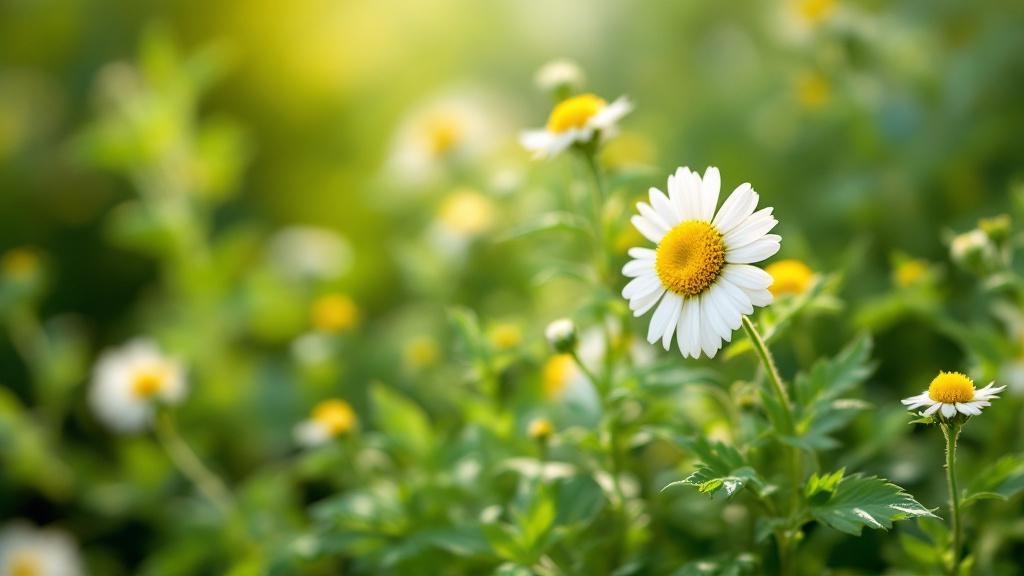
German Chamomile
German Chamomile is one of the most beloved medicinal herbs you can grow at home, producing dozens of apple-scented flowers perfect for calming teas. The most common question gardeners ask is how to keep this feathery annual blooming abundantly throughout summer. Native to Europe and Western Asia, this resilient herb thrives in temperate gardens with minimal fuss, self-seeding freely once established. Whether you are growing it for herbal remedies or as a charming companion plant, understanding its simple needs will reward you with months of harvest.
Watering German Chamomile: Finding the Right Balance
Water German Chamomile every 5-7 days during the growing season, allowing the top 2-3 cm of soil to dry between waterings. Established plants are moderately drought-tolerant but produce more flowers with consistent moisture. Avoid overhead watering late in the day as wet foliage overnight encourages fungal diseases. During hot July and August spells, check soil moisture more frequently.
Light Requirements for Healthy Chamomile Growth
German Chamomile performs best in full sun, receiving 6-8 hours of direct light daily. In warmer temperate regions, light afternoon shade during peak summer helps prevent premature bolting. Plants grown in too much shade become leggy and produce fewer flowers. A south or west-facing garden bed provides ideal conditions in the UK and Northern Europe.
Soil and Repotting for Container-Grown Chamomile
Plant German Chamomile in well-drained soil with average fertility; overly rich soil produces lush foliage but fewer flowers. A pH between 5.6 and 7.5 suits this adaptable herb. For containers, use a standard potting mix with added perlite for drainage. Repotting is rarely needed as this annual completes its lifecycle in one season, but container plants benefit from fresh soil each spring sowing.
Temperature and Humidity Needs Throughout the Seasons
German Chamomile thrives in cool to moderate temperatures between 15-20°C and tolerates light frosts down to minus 5°C. Direct sow seeds outdoors from mid-March to April once soil reaches 7°C, or start indoors 6 weeks earlier. High humidity is not required, but good air circulation prevents powdery mildew. In autumn, plants will die back after the first hard frost, though self-sown seeds overwinter successfully.
Fertilizing Chamomile: Less Is More
German Chamomile rarely needs supplemental fertilizer in average garden soil. A single application of balanced organic fertilizer at planting time supports healthy establishment. Avoid high-nitrogen feeds which promote leafy growth at the expense of flowers. Container-grown plants benefit from half-strength liquid feed once monthly from May to July.
Common Problems: Pests and Diseases to Watch For
Aphids are the most frequent pest, clustering on young stems in late spring; blast them off with water or use insecticidal soap. Powdery mildew appears in humid conditions or crowded plantings; improve spacing and avoid evening watering to prevent it. Chamomile can occasionally suffer from damping-off when seedlings are overwatered in cool conditions; ensure good drainage and avoid waterlogging young plants.
Frequently asked questions
How often should I water German Chamomile?
Water German Chamomile every 5-7 days, allowing soil to dry slightly between waterings. Established plants tolerate short dry periods but flower best with consistent moisture. Reduce watering in cool, rainy periods to prevent root rot.
Why are my German Chamomile leaves turning yellow?
Yellow leaves typically indicate overwatering or poor drainage causing root stress. Check that your soil drains well and reduce watering frequency. Older lower leaves naturally yellow and die back as the plant matures, which is normal.
When does German Chamomile bloom?
German Chamomile blooms from late May through September in temperate climates. Flowers appear approximately 60-90 days after germination. Regular harvesting encourages continuous blooming throughout the summer months.
Is German Chamomile toxic to cats?
German Chamomile is considered mildly toxic to cats if ingested in large amounts. Small exposures typically cause only mild stomach upset or skin irritation. Keep plants out of reach if your cat tends to nibble on greenery.
Can I grow German Chamomile indoors?
Yes, German Chamomile can grow indoors with at least 6 hours of direct sunlight or strong grow lights. Indoor plants often produce fewer flowers due to lower light intensity. A sunny south-facing windowsill offers the best chances of success.