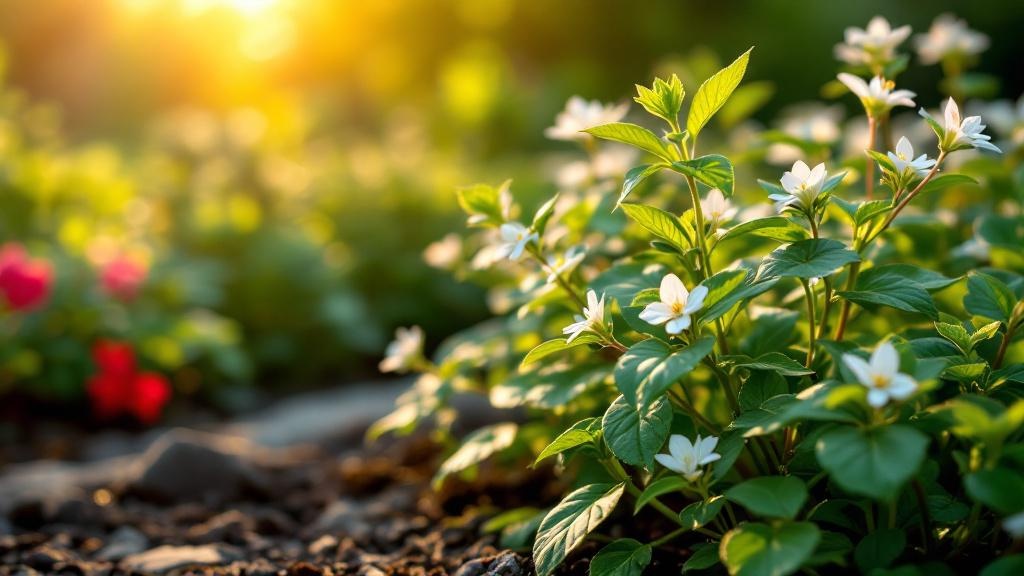
White Mulberry
White mulberry trees have been cultivated for thousands of years, originally for silkworm production but now prized for their sweet, honey-flavored fruit and ornamental value. The most common question gardeners ask is how to manage this vigorous grower without it taking over the yard. With proper pruning and site selection, white mulberry becomes a low-maintenance fruit tree that rewards you with abundant harvests from late June through July, even in cooler temperate regions where other fruit trees struggle.
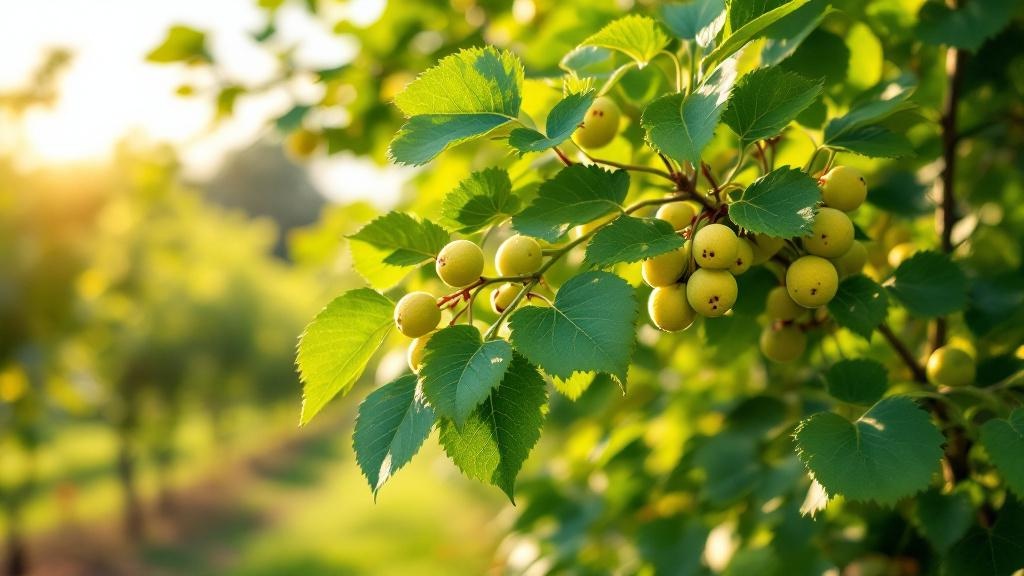
Watering Your White Mulberry Tree
Young trees need consistent moisture during their first two growing seasons. Water deeply once weekly from April through September, providing about 25 liters per session. Mature trees are remarkably drought-tolerant and typically need supplemental water only during prolonged dry spells in summer. Reduce watering in autumn to help the tree harden off before winter.
Light Requirements for Healthy Growth
White mulberry performs best in full sun with at least 6 hours of direct light daily. Trees grown in partial shade will survive but produce significantly less fruit and develop a more open, leggy habit. In temperate climates, a south or southwest-facing position maximizes fruit sweetness and ripening. Avoid planting near buildings where the tree will be shaded as it matures.
Soil and Repotting for Container Growing
White mulberry adapts to virtually any soil type, from sandy to heavy clay, and tolerates both acidic and alkaline conditions. Good drainage is the only firm requirement. For container growing, use a large pot of at least 75 liters and repot every 2-3 years in early March before bud break. Refresh the top 10cm of soil annually with quality compost to maintain fertility.
Temperature and Humidity Tolerance
This exceptionally hardy tree tolerates winter temperatures down to minus 25 degrees Celsius, making it reliable throughout USDA zones 5-8 and similar temperate regions. Late spring frosts in April can damage flower buds, so avoid frost pockets when choosing a planting site. White mulberry handles both humid and dry air well, showing no particular humidity requirements once established.
Fertilizing for Optimal Fruit Production
Apply a balanced slow-release fertilizer in late March as growth begins, using about 500 grams per 2.5cm of trunk diameter. A second light feeding in late May supports fruit development. Avoid high-nitrogen fertilizers after July, as this promotes soft growth vulnerable to winter damage. Established trees in fertile soil often need no supplemental feeding at all.
Common Problems and How to Solve Them
Bacterial leaf scorch causes brown leaf margins in hot summers and spreads via leafhoppers. Remove affected branches and control leafhopper populations. Popcorn disease turns developing fruit into swollen, whitish masses. Rake and dispose of fallen infected fruit to break the cycle. Scale insects occasionally colonize branches in temperate gardens. Apply dormant oil spray in late February before bud break for effective control.
Frequently asked questions
How often should I water a white mulberry tree?
Water young trees weekly during the growing season and mature trees only during extended drought. Established white mulberries are remarkably drought-tolerant and typically survive on rainfall alone in temperate climates. Focus watering efforts on the first two years after planting.
Why are my white mulberry leaves turning yellow?
Yellow leaves on white mulberry usually indicate overwatering or poor drainage rather than nutrient deficiency. Check that soil drains freely and reduce watering frequency. In autumn, yellowing is normal as the tree prepares to drop its leaves for winter dormancy.
When do white mulberry trees produce fruit?
White mulberry fruit ripens from late June through mid-July in temperate climates. Trees typically begin bearing fruit at 3-5 years of age when grown from cuttings, or 8-10 years from seed. Harvest daily during peak ripening as fruit does not store well on the tree.
Is white mulberry toxic to cats and dogs?
White mulberry is not toxic to cats or dogs. The ripe fruit, leaves, and bark are all considered safe for pets. Unripe fruit and raw shoots contain compounds that may cause mild stomach upset if consumed in large quantities, but serious toxicity is not a concern.
How big does a white mulberry tree get?
White mulberry can reach 10-15 meters tall and equally wide if left unpruned. In home gardens, annual winter pruning in late February keeps trees at a manageable 4-6 meters. Dwarf cultivars stay naturally smaller and suit smaller gardens or large containers.