Crocus
Crocuses are among the first flowers to emerge in spring, bringing much-needed color to dormant gardens. Whether you're planting them outdoors in autumn or forcing them indoors for winter blooms, understanding their care needs ensures reliable flowering year after year. The most common question is how to get crocuses to bloom reliably and how long they'll flower.
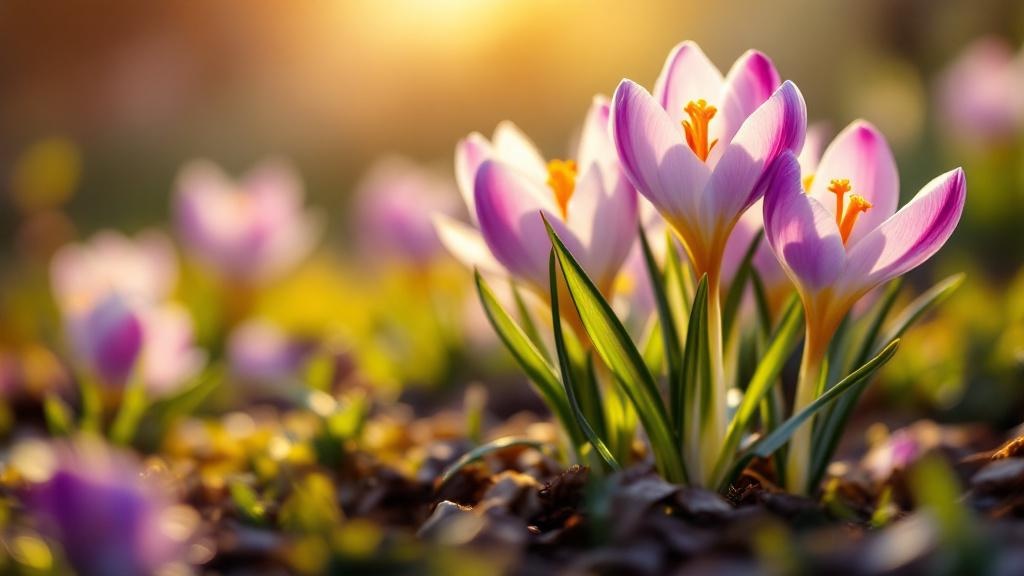
Watering Crocus Bulbs
Water crocuses moderately during active growth in spring, aiming for consistently moist but not waterlogged soil. Once flowers fade and foliage begins to yellow in late May or early June, reduce watering gradually. For forced indoor crocuses, keep soil lightly moist during the rooting period and blooming phase. Overwatering is the primary cause of bulb rot, so ensure pots have drainage holes.
Light Requirements for Crocuses
Crocuses thrive in full sun to partial shade, ideally receiving 6+ hours of direct sunlight daily. In temperate climates, spring sunlight is rarely intense enough to scorch flowers, so place them in the brightest available location. For indoor forced crocuses, a cool, bright windowsill (south or east-facing) encourages sturdy growth and vibrant blooms. Insufficient light results in weak stems and delayed flowering.
Soil and Repotting Crocuses
Crocuses require well-draining, sandy, or gritty soil to prevent bulb rot. Amend heavy clay soil with coarse sand or grit before planting outdoors. For container-grown crocuses, use a mixture of bulb compost and perlite in equal parts. Plant bulbs 7-10 cm deep and 5-8 cm apart. Repotting is unnecessary; simply lift and divide clumps every 3-4 years after foliage dies back.
Temperature and Humidity for Crocuses
Crocuses are hardy perennials suited to temperate zones 5-8 and actually require cold winters to bloom reliably. Outdoor crocuses need winter chilling (8-12 weeks below 5°C) to trigger spring flowering. For indoor forcing, pot bulbs in autumn and expose them to 8-12 weeks of cold (refrigerator at 4°C or unheated shed) before bringing indoors. Humidity levels are not critical; normal room moisture is fine.
Fertilizing Crocuses
Apply a low-nitrogen, high-potassium bulb fertilizer in early spring when shoots emerge, or in early autumn before planting. Crocuses do not require heavy feeding; a single application per year is sufficient. If soil is poor, a light sprinkle of bone meal at planting time provides phosphorus for root development. Avoid high-nitrogen fertilizers, which promote excessive foliage and reduce flower production.
Common Crocus Problems and Solutions
Slugs and snails are the primary pests in temperate regions, eating flowers and foliage overnight; remove by hand or use copper tape barriers. Bulb rot occurs in waterlogged soil or poorly draining containers; always ensure drainage and reduce watering after flowering. Blind crocuses (sprouting foliage but no flowers) result from inadequate chilling, shallow planting, or overcrowding; ensure 12+ weeks of cold and replant at proper depth.
Frequently asked questions
How often should I water crocus bulbs?
Water crocuses moderately during spring growth, keeping soil moist but not soggy, then reduce watering as foliage yellows. Once dormant in summer, watering is unnecessary. For forced indoor crocuses, water lightly when soil surface feels dry during the growth and blooming phase.
When do crocuses bloom in temperate climates?
Outdoor crocuses bloom in early to mid-spring (late February to March) in most of Europe and northern US zones. Forced indoor crocuses can bloom as early as January if chilled properly in autumn and brought indoors in December.
Why aren't my crocuses flowering?
The most common cause is insufficient winter chilling; crocuses require 8-12 weeks below 5°C to trigger flowering. Other reasons include planting too shallow, overcrowded bulbs, poor drainage, or bulb rot. Ensure bulbs are planted 7-10 cm deep, spaced properly, and in well-draining soil.
Can I grow crocuses indoors?
Yes, crocuses can be forced indoors by potting bulbs in autumn, chilling them for 8-12 weeks in a refrigerator or cool shed, then bringing them to a bright, cool window in late December. They'll bloom 2-3 weeks after being brought indoors.
Are crocuses safe for pets?
Crocuses are non-toxic to cats and dogs, making them a safe choice for homes with pets. However, the autumn crocus (Colchicum) is highly toxic; always verify the species label when purchasing bulbs.
🩺 Common diseases and pests
These problems commonly affect this plant. Click any to see full symptom descriptions, organic and chemical treatment, and prevention.