Woodland Sage
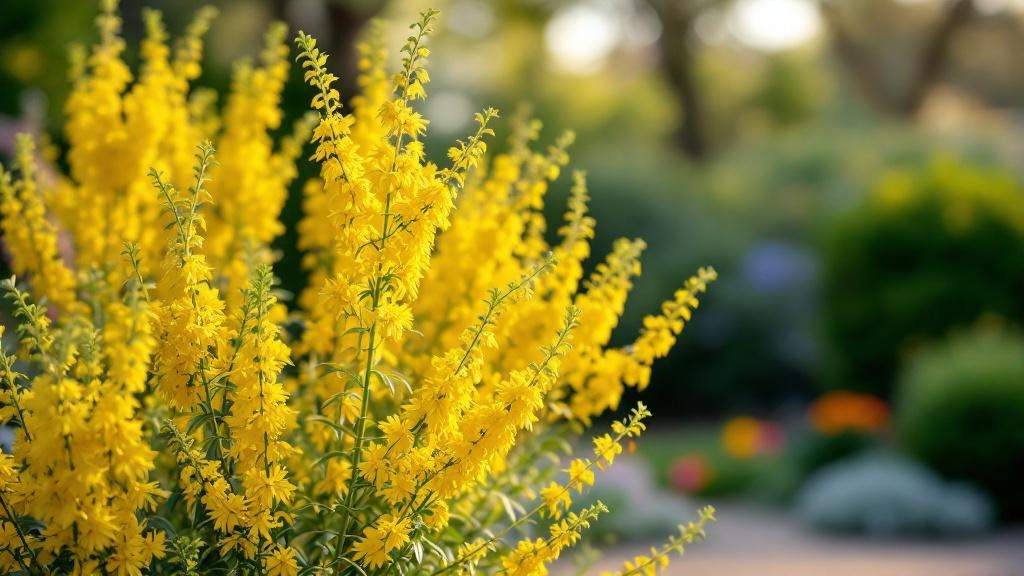
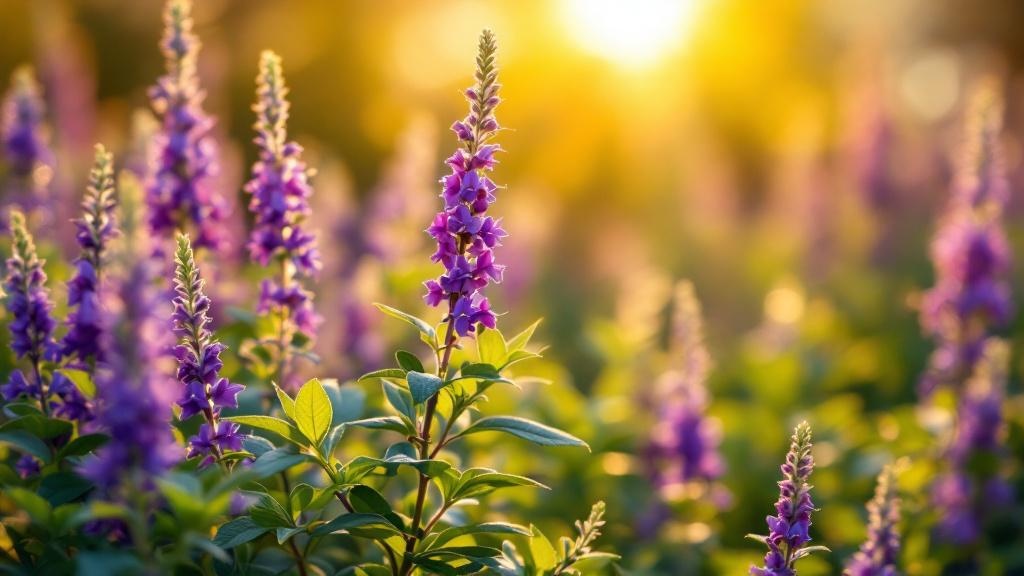
Woodland Sage (Salvia nemorosa) is a gardener's dream for adding vertical interest and attracting bees and butterflies to temperate gardens. Native to Central Europe and Western Asia, this tough perennial thrives with minimal fuss once established. The most common question gardeners ask is how to keep it blooming all summer long — and the answer lies in one simple technique: deadheading. With the right care, you'll enjoy waves of violet-blue spires from May through September.
Watering Woodland Sage: Less Is More
Water newly planted Woodland Sage weekly for the first growing season to establish deep roots. Once established, this Mediterranean-origin plant is remarkably drought-tolerant and only needs supplemental water during extended dry spells lasting more than 2-3 weeks. Overwatering is the most common mistake — soggy soil leads to root rot. Water at the base in the morning to keep foliage dry and prevent fungal issues.
Light Requirements for Salvia nemorosa
Woodland Sage performs best in full sun, receiving at least 6 hours of direct sunlight daily. In partial shade, plants become leggy and produce fewer flowers. South or west-facing borders are ideal in UK and Northern European gardens. The intense sun also helps keep the foliage dry, reducing disease pressure.
Soil and Repotting Needs
Plant Woodland Sage in well-draining soil with average to poor fertility — rich soils actually reduce flowering and create floppy growth. Amend heavy clay soils with grit or sharp sand before planting. This perennial rarely needs dividing, but you can split clumps every 3-4 years in early April to rejuvenate older plants and create new specimens.
Temperature and Humidity Tolerance
Woodland Sage is fully hardy across USDA zones 4-8, tolerating winter temperatures down to -30°C (-22°F) without protection. It handles the humid summers of Central Europe and the UK without issue, though good air circulation prevents powdery mildew. In late October, cut back stems to 10cm above ground level after the first hard frost to tidy plants for winter.
Fertilizing Your Woodland Sage
Woodland Sage thrives on neglect and rarely needs fertilizing. A light application of balanced slow-release fertilizer in early April is sufficient for the entire growing season. Avoid high-nitrogen feeds, which promote leafy growth at the expense of flowers. If your soil is very poor, a single mid-summer feed with tomato fertilizer can encourage a second flush of blooms.
Common Problems and Solutions
Powdery mildew appears as white patches on leaves during humid summers — improve air circulation by thinning crowded stems and avoid overhead watering. Slugs and snails may target young spring growth in March and April; use beer traps or organic slug pellets around emerging shoots. Rosemary beetle, increasingly common in UK and Central European gardens, can strip foliage — hand-pick adults in autumn and spring when they're most active.
Frequently asked questions
How often should I water Woodland Sage?
Water weekly only during the first year, then let natural rainfall do the work. Established Woodland Sage is drought-tolerant and only needs supplemental water during prolonged dry periods exceeding 2-3 weeks. Overwatering causes more problems than underwatering with this plant.
Why are my Woodland Sage leaves turning yellow?
Yellow leaves typically indicate overwatering or poor drainage. Check that your soil drains freely and reduce watering frequency. Less commonly, yellowing can signal nitrogen deficiency in very poor soils — a light feed in spring should correct this.
When does Woodland Sage bloom?
Woodland Sage blooms from late May through July, with possible repeat flowering into September if deadheaded. Cut spent flower spikes back to the basal foliage immediately after the first flush fades to trigger a second wave of blooms within 3-4 weeks.
How do I deadhead Woodland Sage for more flowers?
Cut the entire flower spike back to just above the leafy base once blooms fade, typically in early July. Use clean secateurs and remove all spent stems at once. This redirects energy into producing new flowering shoots rather than setting seed.
Is Woodland Sage toxic to cats and dogs?
No, Woodland Sage is considered non-toxic to cats and dogs. It's a safe choice for gardens where pets roam freely. The aromatic foliage is actually deer and rabbit resistant, making it ideal for rural gardens with wildlife pressure.