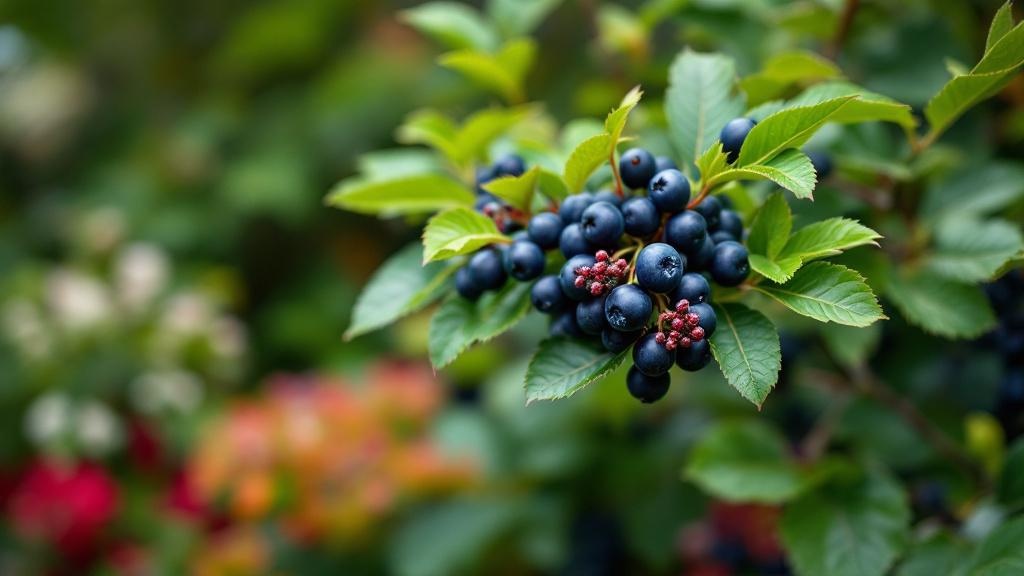
Black Chokeberry
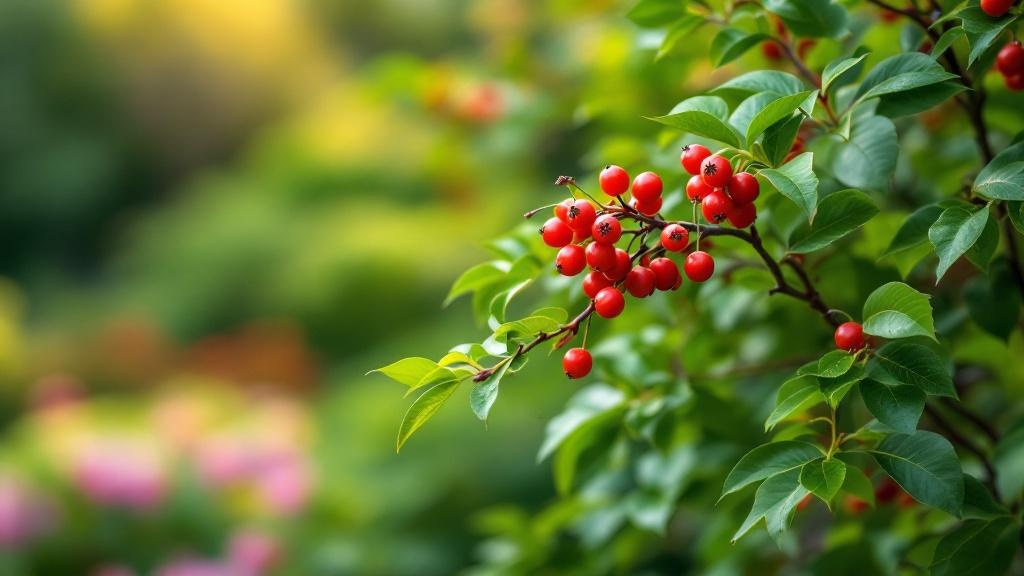
Black Chokeberry has surged in popularity as gardeners discover this native shrub's dual purpose: ornamental beauty and nutritious berries packed with antioxidants. The most common question? How to get the best berry harvest while keeping the shrub healthy year after year. Whether you're growing Aronia for its striking red-purple fall color, white spring blossoms, or dark berries perfect for jams and juices, this guide covers everything temperate climate gardeners need to know.
Watering Your Black Chokeberry
Water newly planted shrubs deeply once per week during their first growing season from April through September. Once established after 1-2 years, Black Chokeberry is remarkably drought-tolerant and rarely needs supplemental watering except during extended dry spells exceeding 3 weeks. This shrub actually tolerates boggy conditions well, making it ideal for rain gardens or low-lying areas where other shrubs struggle.
Light Requirements for Aronia
Black Chokeberry performs best in full sun with 6 or more hours of direct light daily, which maximizes both flower production and berry yield. The shrub tolerates partial shade with 3-4 hours of sun but will produce fewer berries and less vibrant autumn color. In Northern UK or similar cooler regions, prioritize the sunniest spot available to ensure fruit ripens fully by late August.
Soil and Repotting Aronia Shrubs
This adaptable shrub thrives in almost any soil type including heavy clay, sandy loam, and even periodically waterlogged ground. Ideal pH ranges from 5.0 to 7.0, though Aronia tolerates slightly alkaline conditions. When planting in autumn between October and November or early spring in March, dig a hole twice the root ball width and amend with compost only if soil is extremely poor. No regular repotting needed for garden specimens.
Temperature and Humidity Needs
Black Chokeberry is extraordinarily cold-hardy, surviving temperatures down to minus 40 degrees Celsius without protection, making it bulletproof throughout Central Europe, the UK, and Northern US. It requires minimal winter chill hours and handles late spring frosts that damage other fruiting shrubs. Humidity is rarely a concern as this shrub tolerates both dry continental summers and damp maritime conditions equally well.
Fertilizing Black Chokeberry
Apply a balanced slow-release fertilizer such as 10-10-10 once in early April as buds begin swelling, using roughly 100 grams per mature shrub scattered around the drip line. Alternatively, a 5cm layer of well-rotted compost in late autumn provides sufficient nutrients for this undemanding plant. Avoid high-nitrogen feeds after June as they promote leafy growth at the expense of fruit and winter hardiness.
Common Problems and Solutions
Sawfly larvae occasionally skeletonize leaves in late May through June; inspect undersides and remove by hand or spray with neem oil. Powdery mildew may appear in humid summers, especially on crowded plants, so maintain good air circulation by thinning older stems in late winter. Japanese beetles can target foliage in July and August in affected regions; shake them into soapy water in early morning when sluggish. Overall, Black Chokeberry experiences far fewer pest problems than most fruiting shrubs.
Frequently asked questions
How often should I water Black Chokeberry?
Water weekly during the first year, then only during prolonged drought once established. Mature shrubs are highly drought-tolerant and typically thrive on rainfall alone in temperate climates. Overwatering is rarely an issue as Aronia handles wet feet better than most shrubs.
Why are my Black Chokeberry leaves turning yellow?
Yellow leaves usually indicate iron chlorosis from overly alkaline soil above pH 7.5. Test your soil and lower pH with sulfur or acidifying fertilizer if needed. Less commonly, yellowing results from waterlogged roots in poorly draining soil during exceptionally wet winters.
When does Black Chokeberry bloom and fruit?
Black Chokeberry blooms in May with clusters of white flowers, and berries ripen from late August through September. Harvest when berries turn fully black and slightly soft. In colder regions of zone 5, expect harvest closer to mid-September.
Is Black Chokeberry toxic to cats and dogs?
No, Black Chokeberry is non-toxic to cats, dogs, and other pets. Both the berries and foliage are safe, making this an excellent choice for gardens where pets roam freely. The berries are actually edible for humans too, though quite astringent when raw.
How do I prune Black Chokeberry shrubs?
Prune in late February or early March before new growth begins. Remove dead or crossing branches and cut one-third of the oldest stems to ground level annually to encourage fresh productive growth. This rejuvenation pruning keeps shrubs vigorous and improves air circulation.