Slender Deutzia
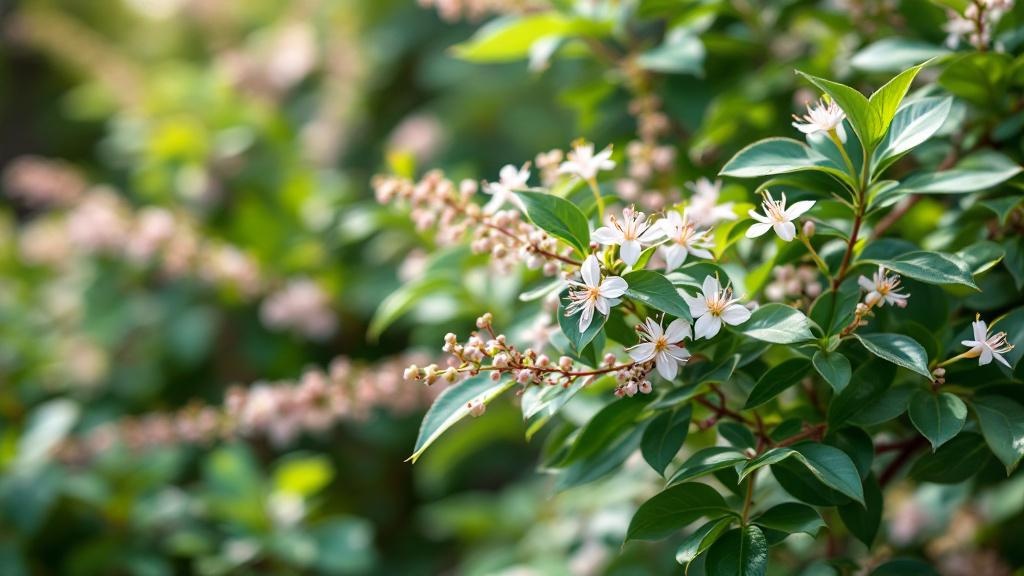
Slender Deutzia is one of those underrated garden gems that delivers spectacular results with minimal fuss. Every May, this compact shrub erupts in pure white, bell-shaped flowers that arch gracefully along its branches. The most common question gardeners ask is when and how to prune it without sacrificing next year's blooms. Native to Japan, this deciduous beauty thrives in temperate climates and rarely grows taller than a metre, making it ideal for smaller gardens or mixed borders.
Watering Your Slender Deutzia Correctly
Water newly planted Slender Deutzia deeply once a week during the first growing season to establish strong roots. Once established, this shrub is remarkably drought-tolerant and typically only needs supplemental watering during prolonged dry spells in July and August. Water at the base of the plant in the morning to keep foliage dry and prevent fungal issues. In winter, natural rainfall is usually sufficient in temperate climates.
Light Requirements for Best Flowering
Slender Deutzia flowers most prolifically in full sun, receiving at least 6 hours of direct light daily. However, it tolerates partial shade well, especially afternoon shade in warmer zone 7-8 gardens where intense summer sun can stress the plant. In too much shade, expect fewer flowers and a leggier growth habit. An east or south-facing position is ideal in most UK and Central European gardens.
Soil and Repotting Needs
Plant Slender Deutzia in well-draining, moderately fertile soil with a pH between 6.0 and 7.5. It adapts to most soil types but struggles in waterlogged or heavy clay unless amended with organic matter. When planting, dig a hole twice the width of the root ball and mix in compost. Mulch annually in late March with bark chips or well-rotted garden compost to retain moisture and suppress weeds.
Temperature and Humidity Preferences
This hardy shrub tolerates winter temperatures down to minus 25 Celsius, making it reliable throughout USDA zones 5-8. It handles typical temperate humidity well and requires no special protection. Late spring frosts in April can occasionally damage flower buds in zone 5, so avoid planting in frost pockets. In autumn, it drops its leaves naturally and requires no overwintering care.
Fertilizing for Abundant Blooms
Apply a balanced slow-release fertilizer in early April as new growth emerges. A second light feeding after flowering in June encourages healthy foliage and bud formation for next year. Avoid high-nitrogen fertilizers, which promote leafy growth at the expense of flowers. An annual top-dressing of compost in spring often provides sufficient nutrients for established shrubs.
Common Problems and Solutions
Aphids sometimes colonise new growth in May and June; blast them off with a strong water jet or apply insecticidal soap if infestations persist. Powdery mildew can appear in humid summers, particularly on plants in poor air circulation; prevent it by spacing plants adequately and watering at soil level. Leaf spot fungus occasionally occurs in wet springs but rarely causes serious damage; remove affected leaves and avoid overhead watering.
Frequently asked questions
When does Slender Deutzia bloom?
Slender Deutzia blooms in May, typically for 2-3 weeks. The exact timing depends on your local spring temperatures, with warmer zone 7-8 gardens seeing flowers in early May and cooler zone 5 areas flowering in late May.
How do I prune Slender Deutzia without losing flowers?
Prune immediately after flowering finishes in June, never in autumn or spring. Deutzia blooms on the previous year's wood, so late pruning removes next year's flower buds. Cut back flowered stems by one-third and remove any dead or crossing branches at the base.
Why are my Deutzia leaves turning yellow?
Yellow leaves typically indicate overwatering or poor drainage causing root stress. Check that your soil drains freely and reduce watering frequency. Nutrient deficiency, particularly iron chlorosis in alkaline soils, can also cause yellowing between leaf veins.
Is Slender Deutzia toxic to cats and dogs?
No, Slender Deutzia is not toxic to cats or dogs. It is considered a pet-safe ornamental shrub, making it a good choice for gardens where pets roam freely. However, eating large amounts of any plant material may cause mild stomach upset.
How big does Slender Deutzia grow?
Slender Deutzia typically reaches 60-90 centimetres in height and spreads 90-120 centimetres wide. It maintains a naturally compact, mounding habit and rarely requires size-control pruning, making it excellent for small gardens and foundation plantings.