Prayer Plant
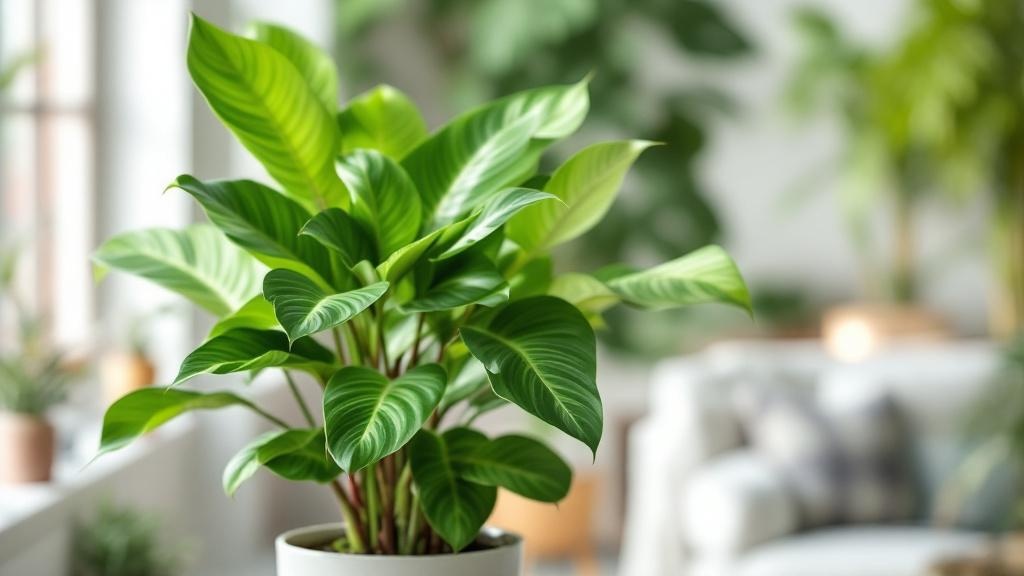
Prayer plants (Maranta leuconeura) are beloved for their striking foliage and fascinating behavior—leaves fold up at night like praying hands, then unfold during the day. In temperate climates, they thrive as indoor plants when given bright, indirect light and consistent moisture. The main challenge most gardeners face is maintaining adequate humidity without causing root rot.
Watering Your Prayer Plant
Prayer plants prefer consistently moist (but not soggy) soil year-round. Water when the top 1 cm of soil feels dry, typically every 5–7 days in spring and summer, reducing to every 10–14 days in autumn and winter. Use room-temperature, filtered water if possible—prayer plants are sensitive to chlorine and fluoride, which cause brown leaf tips. Check soil moisture with your finger rather than following a fixed schedule, as indoor conditions vary.
Light Requirements for Prayer Plants
Prayer plants thrive in bright, indirect light—a north-facing window or a spot a meter away from a south-facing window is ideal. Avoid direct sunlight, which bleaches the distinctive leaf patterns and causes leaves to fade. If your plant shows dull colors or stops moving its leaves, it likely needs more light; move it closer to a window or add a grow light at least 30 cm above the foliage.
Soil, Potting & Repotting
Use a light, airy, peat-based potting mix or a blend of peat, perlite, and orchid bark in equal parts. Prayer plants prefer slightly acidic soil and need excellent drainage to prevent root rot. Repot every 12–18 months in spring, moving to a container only 2–3 cm larger than the current pot. Use a terracotta pot with drainage holes and avoid compacting the soil.
Temperature & Humidity
Prayer plants prefer steady warmth between 18–24°C, with no temperatures below 13°C or sudden drafts. Humidity is crucial—aim for 50–70% relative humidity. In temperate homes (especially in winter when heating dries indoor air), mist leaves 2–3 times weekly, place the pot on a pebble tray filled with water, or use a small humidifier nearby. Avoid cold drafts from windows and heaters.
Fertilizing Prayer Plants
Feed with a balanced, diluted liquid fertilizer (10-10-10 NPK) every 4 weeks during the growing season (March to September). In autumn and winter, reduce feeding to every 6–8 weeks as growth slows. Avoid over-fertilizing, which causes brown leaf tips; when in doubt, fertilize less rather than more. Flush soil with filtered water every 2–3 months to prevent salt buildup.
Common Problems & Solutions
Brown, crispy leaf edges often indicate low humidity or chlorinated water—switch to filtered water and increase misting or humidity. Yellowing leaves with soft stems signal overwatering and root rot; reduce watering frequency and repot into fresh soil if roots are mushy. Spider mites are the most common pest in temperate indoor gardens, visible as fine webbing on stems; spray leaves with neem oil or insecticidal soap every 7 days until resolved.
Frequently asked questions
How often should I water my prayer plant?
Water every 5–7 days in spring and summer when the top 1 cm of soil is dry; reduce to every 10–14 days in autumn and winter. Always use room-temperature, filtered water to avoid brown leaf tips from chlorine.
Why are my prayer plant leaves turning brown?
Brown, crispy edges are usually caused by low humidity (below 50%) or chlorinated tap water. Increase misting to 2–3 times weekly, use filtered water, or place the pot on a pebble tray with water. If the stems are soft and mushy, overwatering and root rot are the culprit—reduce watering and repot into fresh soil.
Can prayer plants survive in low light?
Prayer plants tolerate lower light better than many houseplants, but they won't thrive or show vibrant patterns in very dim conditions. Place them in bright, indirect light near a window; if color fades or leaf movement stops, move the plant closer to a light source or add a grow light.
Is prayer plant toxic to cats or dogs?
No, prayer plants are completely safe for cats, dogs, and other pets. They pose no toxicity risk, making them an excellent choice for households with animals.
When do prayer plants bloom and what do the flowers look like?
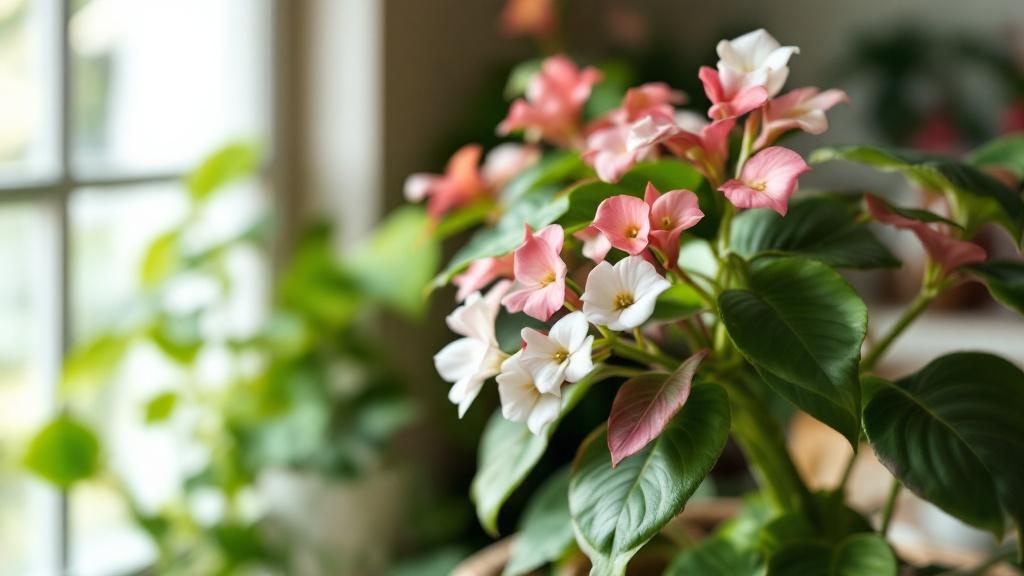
Prayer plants produce small, delicate white, pink, or purple flowers in late spring or early summer indoors, though blooming is less common in temperate homes than in tropical conditions. The flowers are less ornamental than the foliage, and plants are grown primarily for their patterned leaves.
🩺 Common diseases and pests
These problems commonly affect this plant. Click any to see full symptom descriptions, organic and chemical treatment, and prevention.