Aloe Vera
Aloe vera is one of the easiest succulents to grow indoors, prized for both its striking appearance and medicinal gel. Most aloe owners struggle with one problem: overwatering. In temperate climates, where humidity is often higher than in its native desert habitat, watering discipline is key to preventing root rot and keeping your plant thriving.
Watering Your Aloe Vera
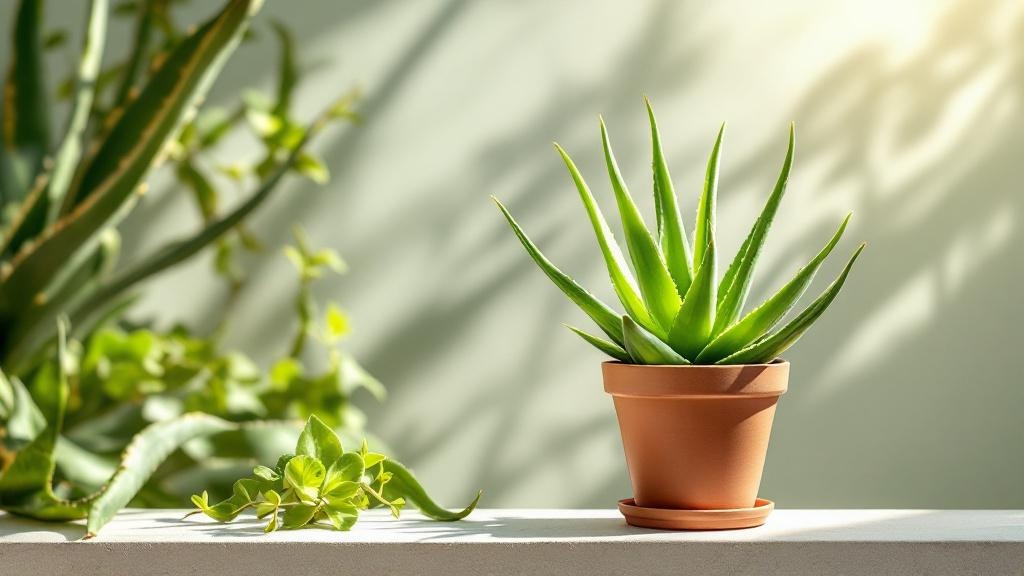
Aloe vera stores water in its leaves and prefers to dry out between waterings. In growing season (late March through September), water thoroughly every 3-4 weeks, allowing the soil to dry completely. In autumn and winter, reduce frequency to once every 6-8 weeks as the plant enters dormancy. Always use the soak-and-drain method: water until it drains from the pot base, then empty the saucer immediately. Overwatering is the leading cause of aloe death in temperate climates.
Light Requirements for Aloe
Aloe vera needs bright light to thrive and will become pale or stretch (etiolate) in poor conditions. Place it on a south-facing or west-facing windowsill where it receives at least 4-6 hours of direct sunlight daily. If natural light is limited in winter, a grow light positioned 15-20 cm above the plant for 8-10 hours daily will prevent leggy growth. Indoors near a sunny window is ideal; outdoors in temperate zones, protect it from harsh afternoon sun in high summer to avoid sunburn.
Soil and Repotting
Aloe vera requires fast-draining soil to prevent root rot. Use a specialist cactus or succulent potting mix, or amend regular potting soil with 30-40% perlite or coarse sand. Repot only every 2-3 years, in late spring, when the plant becomes top-heavy or roots emerge from drainage holes. Use a terracotta pot (which breathes better than plastic) with drainage holes, sizing up by no more than 2-3 cm in diameter. Avoid repotting in winter when the plant is dormant.
Temperature and Humidity
Aloe vera prefers warm conditions between 15-27°C and tolerates typical temperate indoor temperatures well. Avoid placing it near cold drafts, heating vents, or windows in freezing winter weather below 10°C, as chill stress can damage leaves. High humidity in temperate climates (especially autumn and winter) is not ideal for aloe; ensure good air circulation and avoid grouping it with other plants. If your home is very humid, increase the time between waterings and ensure pots have adequate drainage.
Fertilizing Your Aloe
Aloe vera is not a heavy feeder and thrives in poor soil. Feed once in late spring (May) with a diluted liquid cactus fertilizer at half the recommended strength, or use a balanced fertilizer (e.g., 5-5-5 NPK). Do not fertilize in autumn or winter when growth slows. Over-fertilizing encourages soft, weak growth and increases pest susceptibility. A single annual feed is usually sufficient for container-grown aloe indoors.
Common Problems and Solutions
Brown or mushy leaves indicate root rot from overwatering—stop watering immediately, repot into fresh dry soil, and remove any blackened roots with a clean knife. Yellow or translucent leaves are also a sign of excess moisture; improve drainage and reduce watering frequency. Spider mites and mealybugs can infest aloe in warm, dry indoor environments; spray affected plants with insecticidal soap (available at garden centres) every 7-10 days until clear. Ensure good air circulation to prevent pest buildup.
Frequently asked questions
How often should I water my aloe vera?
Water every 3-4 weeks during growing season (late March to September), and every 6-8 weeks in winter. Always let the soil dry completely between waterings. The golden rule: when in doubt, don't water—aloe stores water in leaves and tolerates drought far better than excess moisture.
Why are my aloe vera leaves turning brown or mushy?
Brown, translucent, or mushy leaves are a classic sign of root rot caused by overwatering. Stop watering immediately, remove the plant from its pot, trim away any black or slimy roots with a sterile knife, and repot into fresh, dry succulent compost. Ensure your pot has drainage holes and use well-draining soil.
Can I grow aloe vera outdoors in temperate climates?
Yes, but only from late May to September when temperatures stay above 15°C. Move your aloe outdoors to a sunny, sheltered spot for the growing season, then bring it inside before the first frost in October. In very mild regions (USDA zone 8+), you may leave it outdoors year-round with winter protection such as fleece.
Is aloe vera toxic to cats and dogs?
Aloe vera is mildly toxic to cats and dogs if ingested. The yellow sap under the leaf skin (not the clear gel) can cause stomach upset, vomiting, or diarrhea. Keep potted aloe on a high shelf or shelf away from curious pets, and discourage chewing or leaf handling.
How do I know if my aloe vera needs repotting?
Repot when the plant becomes top-heavy, roots grow through drainage holes, or soil dries too quickly (within days of watering). This typically happens every 2-3 years in spring. Use a pot only 2-3 cm larger in diameter and ensure it has drainage holes; aloe prefers snug conditions and will rot in oversized pots with excess soil.