Artichoke
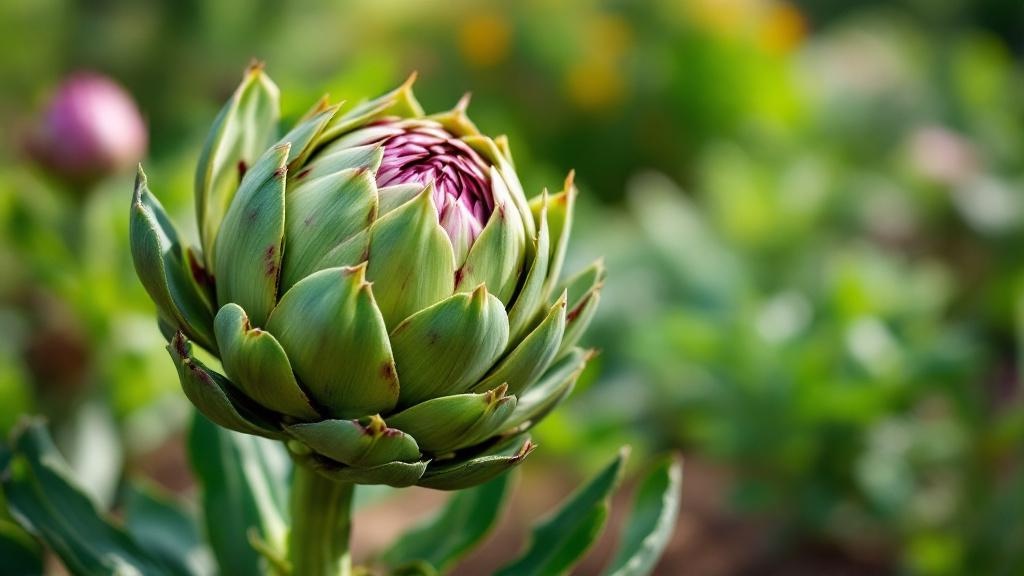
Globe artichokes bring Mediterranean elegance to temperate gardens, offering both ornamental beauty and a gourmet harvest. The most common question gardeners ask is whether artichokes can survive cold winters — and the answer is yes, with proper preparation. These architectural plants produce their prized edible buds from late June through August, making them a rewarding challenge for dedicated home growers in zones 5-8.
Watering Your Artichoke Plants Correctly
Artichokes need consistent deep watering, roughly 2-3 cm per week during the growing season. Water at the base every 5-7 days, allowing soil to dry slightly between sessions. Increase frequency during hot July and August spells, and reduce significantly after harvest ends in September. Waterlogged soil causes crown rot, so ensure drainage is excellent.
Light Requirements for Healthy Artichoke Growth
Plant artichokes in full sun with at least 6-8 hours of direct light daily. In temperate climates, choose your warmest, most sheltered spot — a south-facing wall is ideal. Morning sun helps dry dew quickly, reducing fungal disease risk. Insufficient light produces weak stems and small, poorly developed buds.
Soil Preparation and Repotting Artichokes
Artichokes demand rich, well-draining soil amended with generous compost. Prepare beds in early April by incorporating 5-8 cm of aged manure or garden compost. They prefer slightly alkaline conditions around pH 6.5-7.5. Space plants 90-120 cm apart, as mature specimens reach impressive sizes. Container growing is possible in 50-litre or larger pots.
Temperature and Humidity Considerations
Artichokes thrive between 15-24°C but tolerate brief heat up to 30°C. The critical challenge in zones 5-7 is winter survival — crowns die below -10°C without protection. In late October, cut stems to 30 cm and apply 15-20 cm of straw mulch over the crown. Remove gradually in late March as growth resumes.
Fertilizing for Maximum Bud Production
Apply balanced fertilizer (10-10-10) in mid-April when growth begins, and again in early June as buds form. Side-dress with compost monthly during the growing season. Avoid high-nitrogen feeds after July, as this encourages soft growth vulnerable to winter damage. Established plants benefit from autumn potassium application to harden growth.
Common Artichoke Problems and Solutions
Slugs and snails attack young spring growth — use beer traps or iron phosphate pellets in April and May. Blackfly (black bean aphid) colonizes stems in June; spray with diluted soft soap or encourage ladybirds. Powdery mildew appears in humid late summers; improve air circulation and avoid evening watering. Crown rot from wet winters is prevented by ensuring sharp drainage and proper mulching.
Frequently asked questions
How often should I water artichoke plants?
Water artichokes deeply every 5-7 days during the growing season. They need about 2-3 cm of water weekly, applied at the base to keep foliage dry. Reduce watering after September harvest and keep crowns relatively dry through winter.
Can artichokes survive winter in cold climates?
Yes, artichokes can survive zone 5-8 winters with proper protection. In late October, cut back stems and cover crowns with 15-20 cm of straw mulch. Remove mulch gradually in late March, watching for new growth beneath.
Why are my artichoke leaves turning yellow?
Yellow artichoke leaves usually indicate overwatering, poor drainage, or nutrient deficiency. Check that soil drains well and reduce watering frequency. If drainage is adequate, apply balanced fertilizer — yellowing often signals nitrogen shortage in spring.
When do artichokes produce edible buds?
Artichokes produce edible buds from late June through August in temperate climates. First-year plants may produce a small autumn crop. Harvest when buds are tight and compact, before purple flowers begin opening at the tips.
Are artichoke plants toxic to cats or dogs?
No, artichoke plants are completely safe for cats and dogs. All parts of Cynara scolymus are non-toxic to pets. However, the spiny tips on mature leaves can cause physical irritation if chewed, so placement away from curious animals is sensible.