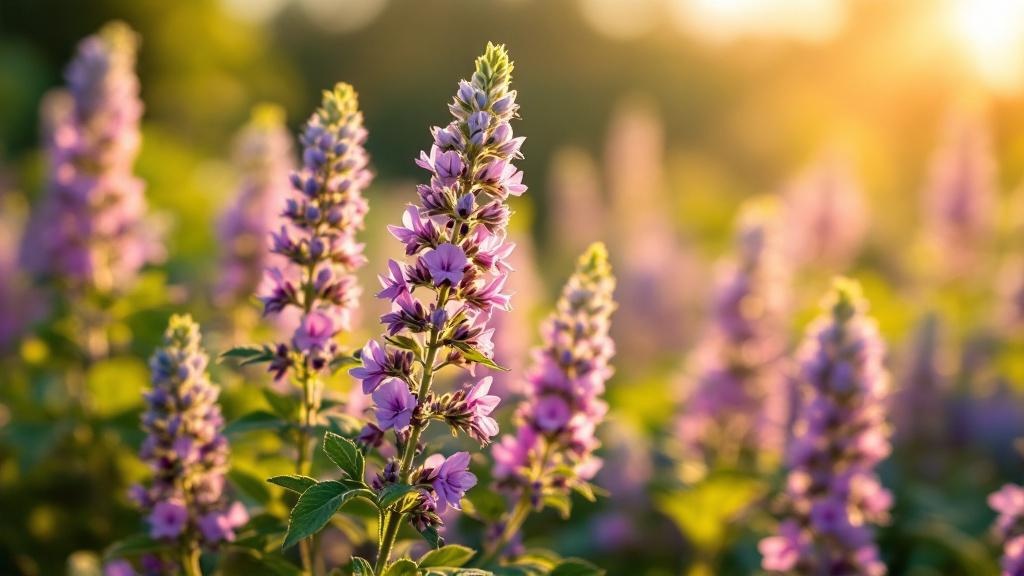
Coriander
Coriander is one of the most rewarding herbs to grow at home, whether you're cultivating it on a sunny kitchen windowsill or in a garden bed. This quick-maturing plant is prized for both its fresh leaves (cilantro) and seeds, making it invaluable in the kitchen. The most common question from growers is how to prevent bolting and keep leaves harvestable longer — the answer lies in consistent cool temperatures and proper light management.
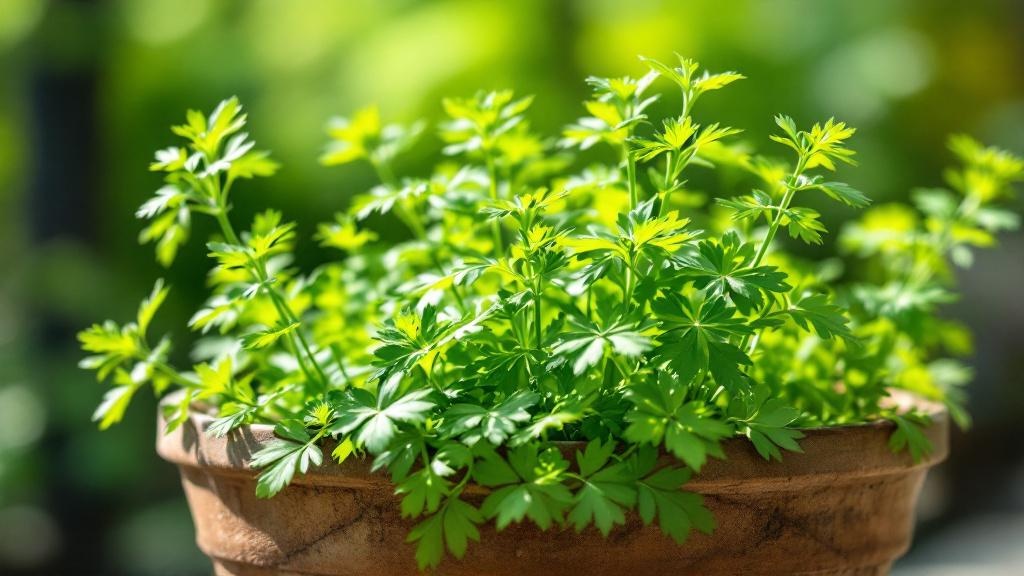
Watering Your Coriander
Coriander prefers consistently moist soil without waterlogging — aim for watering every 3-4 days depending on season and pot size. In spring and autumn when temperatures are cool, soil dries more slowly; reduce frequency in winter or increase in summer heat waves. Always check the top inch of soil with your finger before watering. Overwatering is the leading cause of root rot, so ensure your pot has drainage holes and avoid letting water sit in the saucer.
Light Requirements for Healthy Growth
Coriander needs 12-14 hours of bright light daily to develop strong, bushy foliage and prevent premature bolting. A south-facing or west-facing windowsill works well in temperate climates, though some afternoon shade in peak summer helps delay flowering. If growing indoors year-round, a grow light positioned 15-20 cm above the plant for 14 hours daily will produce vigorous leaf growth. Insufficient light leads to leggy, weak plants that bolt quickly.
Soil and Repotting
Use a light, well-draining potting mix enriched with compost — coriander doesn't require heavy feeding but needs good drainage to prevent root diseases common in temperate winters. A 15-20 cm pot is sufficient for a single plant or small clump. Since coriander is typically harvested within 6-8 weeks, repotting is rarely necessary. Refresh the top layer of soil if growing the same plant for multiple harvests across seasons.
Temperature and Humidity
Coriander thrives in cool conditions between 15-20°C and will bolt (flower and set seed) rapidly if temperatures exceed 25°C for extended periods. This makes it an ideal cool-season crop in temperate zones — grow it in spring (March-May) and autumn (August-October) for best results. In summer, position plants in shade and ensure good air circulation. Moderate humidity (40-50%) is ideal; indoor heating in winter may cause leaf wilting, so mist occasionally if air is very dry.
Feeding and Nutrients
Coriander is a light feeder and rarely needs supplemental fertilizer if grown in fresh potting mix. A single diluted application of balanced liquid fertilizer (10-10-10) after 3-4 weeks can support continued leaf production. Avoid nitrogen-heavy feeds, as excess nitrogen promotes leafy growth at the expense of flavor and accelerates bolting. If harvesting continuously over 2-3 months, feed every 4 weeks with half-strength fertilizer.
Common Problems and Solutions
Premature bolting (flowering) is the most common issue — prevent it by maintaining cool temperatures, consistent moisture, and avoiding stress from heat or irregular watering. Powdery mildew can appear in humid, poorly ventilated conditions typical of autumn in temperate regions; improve airflow and avoid wetting foliage. Spider mites and whiteflies occasionally affect indoor plants; spray affected foliage with insecticidal soap or neem oil, widely available in garden centers across Central Europe and the UK.
Frequently asked questions
How often should I water coriander?
Water coriander every 3-4 days so the soil stays consistently moist but not waterlogged. Check the top inch with your finger first — if it feels damp, wait another day. Reduce watering slightly in cooler winter months when evaporation is slower.
Why is my coriander bolting so quickly?
Coriander bolts when temperatures exceed 22-25°C or when light exceeds 14 hours daily. Move your plant to a cooler spot away from direct midday sun, or grow it during spring and autumn when naturally cooler. Once bolting begins, harvest leaves immediately and let the plant flower if you want seeds.
Can I grow coriander indoors year-round?
Yes, but with limitations — coriander needs 12-14 hours of bright light and temperatures below 20°C for best results. Indoor heating and artificial grow lights make winter cultivation possible, but growth is slower and bolting risk increases. Most growers succeed with seasonal indoor crops in spring and autumn.
How long does it take to harvest coriander leaves?
You can begin harvesting young leaves 3-4 weeks after sowing or transplanting. Pinch off outer leaves regularly to encourage bushier growth, and avoid harvesting more than one-third of the plant at once. Continuous light harvesting extends production for 6-8 weeks before bolting becomes inevitable.
Is coriander safe for cats and dogs?
Yes, coriander is completely safe for cats, dogs, and other household pets. Neither the leaves nor seeds are toxic, and many pets are uninterested in the plant's taste anyway. You can safely grow it on a low shelf or kitchen windowsill without concern.