Zebra Haworthia
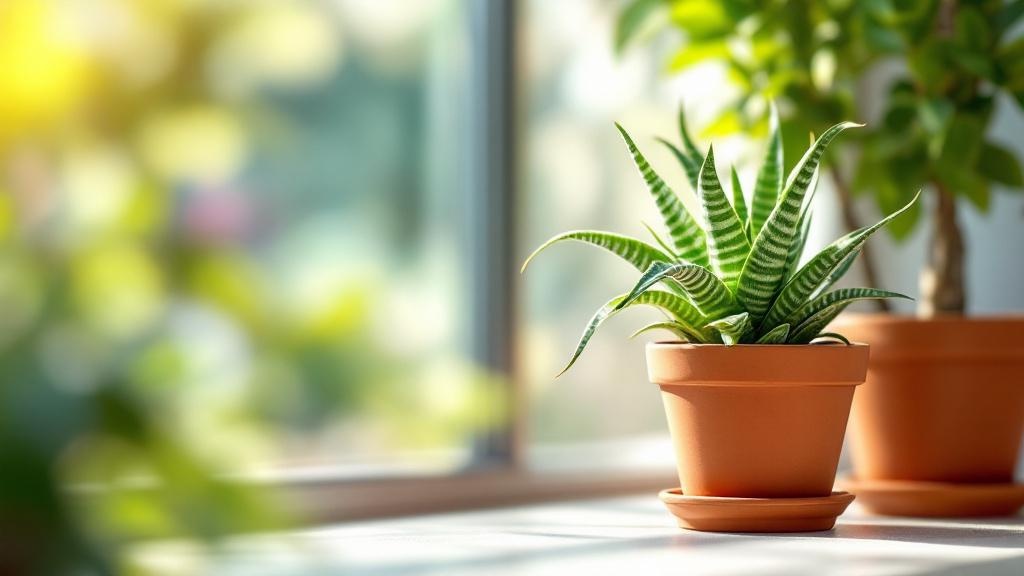
Zebra Haworthia is one of the most forgiving succulents you can grow indoors, making it a favorite among beginners and seasoned collectors alike. Native to South Africa, this compact rosette-forming plant features dark green leaves adorned with distinctive white tubercle stripes. The most common question people ask is how often to water it — and the answer might surprise you, because overwatering is the number one killer of these hardy little plants.
Watering Your Zebra Haworthia Correctly
Water thoroughly every 2-3 weeks during the growing season (April through September), allowing the soil to dry completely between waterings. In winter, reduce watering to once a month or even less, as the plant enters dormancy. Always water the soil directly, avoiding the rosette center to prevent rot. If in doubt, wait a few more days — Zebra Haworthia stores water in its leaves and tolerates drought far better than soggy roots.
Finding the Perfect Light Conditions
Zebra Haworthia thrives in bright indirect light but tolerates lower light conditions better than most succulents. An east-facing or north-facing windowsill works perfectly in temperate homes. Avoid intense direct afternoon sun, especially during summer, which can cause leaf scorching and reddish-brown stress coloring. In winter when daylight is limited, move the plant closer to a window to maintain healthy growth.
Soil and Repotting Requirements
Use a well-draining succulent or cactus mix, or create your own by mixing regular potting soil with 50% perlite or coarse sand. Repot every 2-3 years in spring (late March to April) when the plant becomes root-bound or produces many offsets. Choose a shallow pot only slightly larger than the root ball, as Zebra Haworthia has a compact root system. Ensure the pot has drainage holes — sitting in water is fatal for this succulent.
Temperature and Humidity Needs
Zebra Haworthia prefers temperatures between 10-25°C and adapts well to typical indoor conditions year-round. It tolerates brief dips to 5°C but must be protected from frost, so bring outdoor plants inside by late September. Average household humidity is perfectly adequate; this succulent does not require misting. Keep away from cold drafts and radiators during the heating season.
Fertilizing for Healthy Growth
Feed sparingly with a diluted liquid succulent fertilizer (half strength) once a month from April through August. Stop fertilizing entirely from September through March during the dormant period. Over-fertilizing causes soft, stretched growth and root damage. If you forget to fertilize occasionally, do not worry — Zebra Haworthia is not a heavy feeder and survives well in nutrient-poor conditions.
Common Problems and Solutions
Overwatering causes mushy, translucent leaves and root rot — reduce watering immediately and repot in dry soil if severe. Brown leaf tips usually indicate underwatering, low humidity, or mineral buildup from tap water; try using filtered water and increase watering slightly. Mealybugs occasionally appear as white cottony spots in leaf axils; remove them with a cotton swab dipped in rubbing alcohol, and repeat weekly until clear.
Frequently asked questions
How often should I water Zebra Haworthia?
Water every 2-3 weeks in spring and summer, allowing soil to dry completely between waterings. In winter, reduce to once monthly or less. Always check that the top 2-3 cm of soil is dry before watering again.
Why are my Zebra Haworthia leaves turning brown?
Brown tips typically indicate underwatering or exposure to harsh direct sunlight. Move the plant to a spot with gentler light and ensure you are watering thoroughly when the soil dries out. Mineral buildup from hard tap water can also cause browning — switch to filtered or rainwater if this continues.
Is Zebra Haworthia toxic to cats?
No, Zebra Haworthia is non-toxic to cats, dogs, and humans. It is one of the safest succulents for pet-friendly households. However, ingestion may still cause mild stomach upset in curious pets, so keep it out of reach if your cat likes to chew plants.
Does Zebra Haworthia need direct sunlight?
No, Zebra Haworthia actually prefers bright indirect light over direct sun. Strong afternoon sunlight can scorch the leaves, causing them to turn reddish-brown. An east-facing window or a spot a meter back from a south-facing window is ideal.
How do I propagate Zebra Haworthia?
The easiest method is separating offsets (pups) that grow around the mother plant in spring. Gently remove the pup with some roots attached, let it dry for a day, then plant in fresh succulent soil. Water sparingly until established, usually within 3-4 weeks.