Begonia
Begonias are beloved by home gardeners for their vibrant leaves and charming blooms, but many struggle with overwatering and poor drainage. Whether you're growing wax begonias, rex begonias, or tuberous varieties, understanding the balance between moisture and air circulation is key to preventing root rot — the most common killer of begonias in temperate homes.
Watering Your Begonia
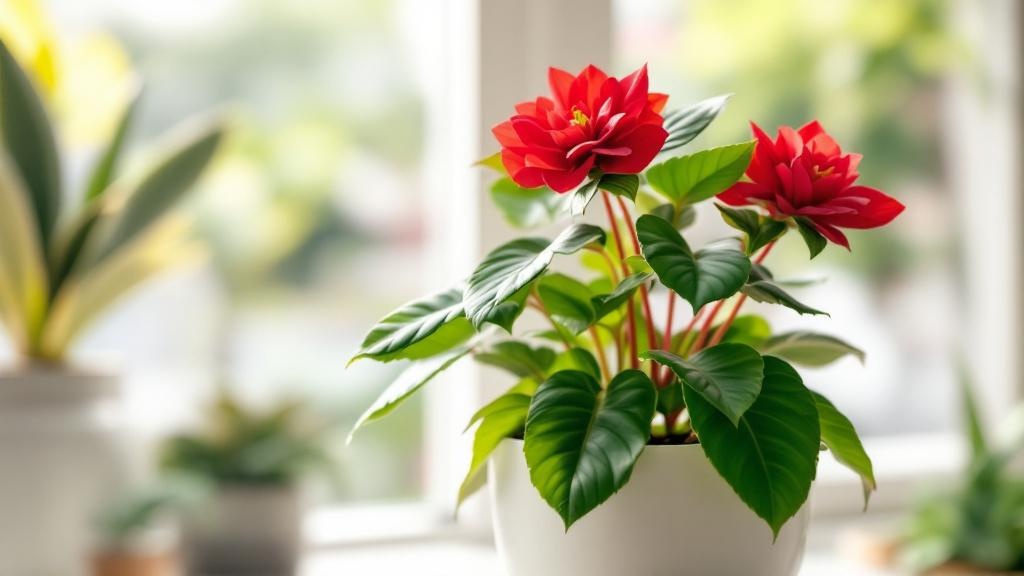
Water when the top 1-2 cm of soil feels dry to the touch — typically every 7-10 days in spring and summer, reducing to once every 10-14 days in autumn and winter. Use room-temperature water and water at the soil level to keep foliage dry, which prevents fungal spots. Begonias dislike both waterlogging and drought; err on the side of slightly moist soil rather than soggy.
Light Requirements for Begonias
Place your begonia in bright, indirect light — an east or west-facing window is ideal. Direct afternoon sun can scorch delicate leaves, especially in summer; sheer curtains diffuse harsh rays. If your begonia becomes leggy or stops flowering, it likely needs more light; move it closer to a window or consider a grow light during winter months.
Soil & Repotting
Use a well-draining potting mix amended with perlite or coarse sand to prevent root rot. Repot begonias in late spring, moving up only one pot size; they prefer snug containers. Ensure your pot has drainage holes; stagnant water is the enemy of begonias in temperate homes where humidity is often lower than their tropical origin demands.
Temperature & Humidity
Begonias thrive between 16-24°C and should never be exposed to temperatures below 13°C, which causes damage and leaf drop. In your temperate home, avoid placing begonias near cold windows in winter or draughty doors in any season. Increase humidity by misting foliage lightly 2-3 times weekly, grouping plants together, or setting pots on pebble trays with water.
Feeding Your Begonia
Feed every 2-3 weeks during the growing season (March to September) with a balanced, diluted liquid fertilizer; reduce feeding frequency in autumn. Begonias flower more reliably with consistent but light feeding rather than heavy doses. Switch to a high-potassium fertilizer in late summer to encourage blooming before winter dormancy.
Common Problems & Solutions
Root rot from overwatering is the most common issue; check soil moisture before watering and repot immediately if roots are soft and brown. Powdery mildew and grey mould appear in cool, damp conditions — improve air circulation, reduce misting, and remove affected leaves promptly. Spider mites thrive in dry indoor air; spray infested plants with water or neem oil and increase humidity to prevent reinfestation.
Frequently asked questions
How often should I water my begonia?
Water every 7-10 days in spring and summer when the top 1-2 cm of soil is dry, and every 10-14 days in autumn and winter. Always check soil moisture before watering; begonias prefer slightly moist soil but hate waterlogging.
Why are my begonia leaves turning yellow?
Yellow leaves usually signal overwatering or poor drainage; let soil dry out slightly more between waters and ensure pots have drainage holes. Less commonly, nutrient deficiency or low light can cause yellowing — move the plant to brighter indirect light and feed every 2-3 weeks during the growing season.
Can I grow begonias in low light?
Begonias tolerate lower light better than many houseplants, but they won't bloom reliably and may become leggy. Move them closer to a window or use a grow light for 12-14 hours daily to maintain compact growth and flowering.
Are begonias toxic to cats and dogs?
Yes, begonias are mildly toxic to cats and dogs and may cause oral irritation, vomiting, or diarrhoea if ingested in large amounts. Keep them out of reach of pets and supervise curious animals in rooms where begonias are placed.
When do begonias flower and how can I encourage blooming?
Most begonias flower from spring through autumn; wax begonias often bloom continuously indoors. Ensure bright indirect light, consistent moisture, and regular feeding with a high-potassium fertilizer from late summer onwards to encourage flowers during winter months.