Lambs Lettuce
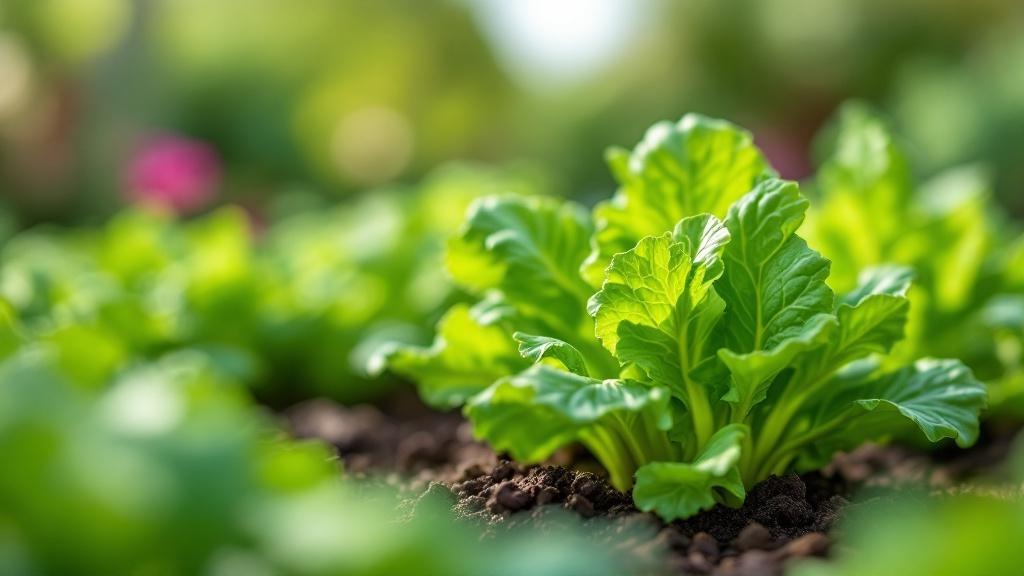
Lamb's lettuce, also called corn salad or mâche, is the ultimate cool-season salad crop for temperate gardeners. While most lettuces bolt or freeze, this hardy green thrives in cold weather, delivering mild, nutty leaves when your garden needs them most. The question gardeners ask most often: when exactly should I sow lamb's lettuce for a continuous harvest? Timing is everything with this crop, and getting it right means fresh salads straight through winter.
Watering Lamb's Lettuce for Tender Leaves
Water lamb's lettuce every 2 to 3 days during dry spells, keeping soil consistently moist but never waterlogged. In autumn and winter, natural rainfall in temperate regions often provides sufficient moisture, so check soil before watering. Overwatering causes root rot, while drought stress leads to bitter, tough leaves. Morning watering is ideal to allow foliage to dry before nightfall.
Light Requirements for Optimal Growth
Lamb's lettuce performs best in full sun during the cooler months from September through March. In late spring, provide afternoon shade to prevent premature bolting as temperatures rise. This adaptable green tolerates partial shade well, making it suitable for spots between taller vegetables or under deciduous trees before leaf-out.
Soil Preparation and Succession Sowing
Plant in fertile, well-draining soil enriched with compost before sowing. Lamb's lettuce has shallow roots, so the top 15 centimetres of soil quality matters most. Sow seeds directly in rows from mid-August through September for winter harvest, then again in early March for spring crops. Thin seedlings to 10 centimetres apart once they develop true leaves.
Temperature Tolerance and Winter Protection
Lamb's lettuce thrives between 4 and 20 degrees Celsius and tolerates temperatures down to minus 15 degrees Celsius once established. Growth slows significantly below 5 degrees but resumes quickly in late February as days lengthen. In harsh winters, cover beds with horticultural fleece or cold frames to maintain harvestable quality. Remove covers on mild days to prevent fungal issues.
Fertilizing for Healthy Leaf Production
Apply a balanced organic fertiliser or well-rotted compost before sowing in late summer. Lamb's lettuce is a light feeder and rarely needs additional fertilisation during its short growing cycle. If leaves appear pale yellow, apply diluted liquid seaweed feed once in October. Avoid high-nitrogen fertilisers late in the season, as soft growth is more vulnerable to frost damage.
Common Problems and Solutions
Slugs and snails are the primary pests, especially during mild, wet autumn weather; use beer traps or organic slug pellets around seedlings. Powdery mildew can appear in late autumn when air circulation is poor, so space plants adequately and remove affected leaves promptly. Aphids occasionally colonise plants during warmer spells in early spring; blast them off with water or introduce ladybirds to the growing area.
Frequently asked questions
When should I sow lamb's lettuce seeds?
Sow lamb's lettuce from mid-August to late September for winter harvests, or in early March for spring crops. Autumn sowings are most successful in temperate climates because the cooling temperatures favour germination and prevent bolting. Seeds germinate best when soil temperatures are between 10 and 15 degrees Celsius.
How often should I water lamb's lettuce?
Water every 2 to 3 days during dry periods to keep soil consistently moist. During autumn and winter in temperate regions, rainfall often provides enough moisture, so always check the soil before watering. Consistent moisture produces the most tender, mild-flavoured leaves.
Why are my lamb's lettuce leaves turning yellow?
Yellow leaves typically indicate overwatering, poor drainage, or nitrogen deficiency. Check that your soil drains well and reduce watering if it feels soggy. For nutrient deficiency, apply diluted liquid seaweed fertiliser and ensure you incorporated compost before planting.
Can lamb's lettuce survive frost?
Yes, lamb's lettuce is remarkably frost-hardy and survives temperatures down to minus 15 degrees Celsius. This cold tolerance makes it one of the best winter salad crops for temperate gardens. Protect with fleece during severe cold snaps to maintain leaf quality for harvesting.
How do I harvest lamb's lettuce without killing the plant?
Harvest by cutting outer rosettes at soil level, leaving the central growing point intact for regrowth. You can also pick individual outer leaves as needed, allowing the plant to continue producing. Most plants provide two to three harvests over their growing season when cut-and-come-again harvesting is used.