Japanese Anemone
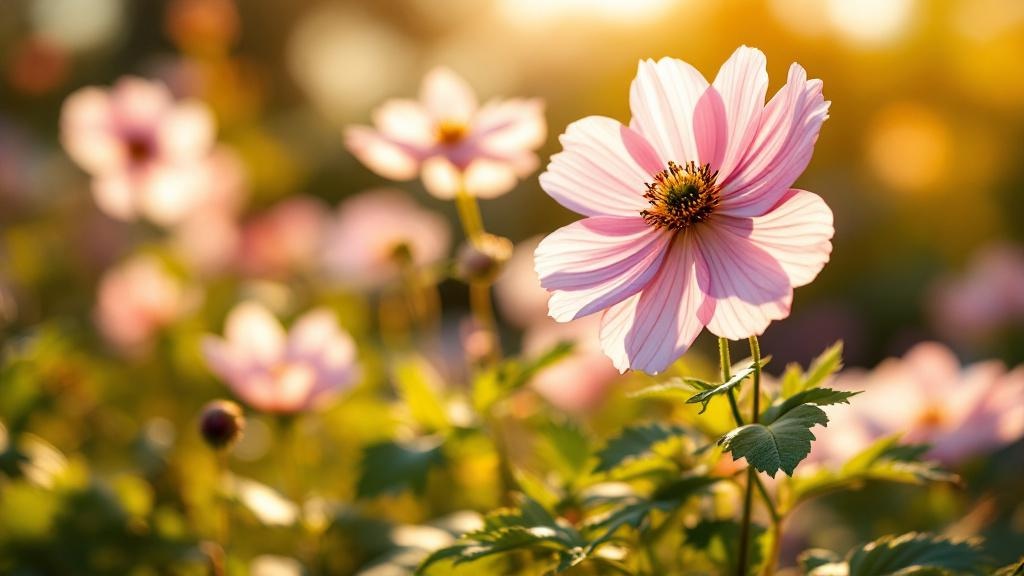
Japanese Anemone is the star of the autumn garden, producing delicate, saucer-shaped blooms on tall, wiry stems when most summer flowers have faded. Native to China and naturalized in Japan, this hardy perennial thrives in conditions that challenge other plants. The most common question gardeners ask is how to get Japanese Anemones to spread and bloom reliably, as these plants can be slow to establish but become vigorous once settled.
Watering Japanese Anemone: Consistent Moisture Matters
Water Japanese Anemones deeply once per week during the growing season, increasing to twice weekly during hot, dry spells in July and August. These plants prefer consistently moist soil but will rot in waterlogged conditions. Newly planted anemones need regular watering for their entire first season to establish strong root systems. Reduce watering in late October as plants enter dormancy.
Light Requirements: The Sweet Spot for Best Blooms
Japanese Anemones perform best in partial shade, receiving 3 to 6 hours of morning sun with afternoon protection. In cooler northern regions and the UK, they tolerate full sun if soil stays moist. Too much deep shade results in leggy stems and fewer flowers. An east-facing border or the dappled light beneath deciduous trees provides ideal conditions.
Soil and Repotting: Building the Right Foundation
Plant Japanese Anemones in humus-rich, moisture-retentive soil with good drainage. Amend heavy clay soils with garden compost before planting in April or September. These perennials spread via underground runners and rarely need division, but you can lift and separate clumps in early spring every 4 to 5 years to control spread. Add a 5cm layer of leaf mulch each November to protect roots and enrich soil.
Temperature and Humidity: Hardy but Appreciates Protection
Japanese Anemones are reliably hardy throughout zones 5 to 8, tolerating winter temperatures down to minus 20 degrees Celsius once established. First-year plants benefit from a thick mulch layer applied in late November before hard frosts arrive. They prefer moderate humidity and suffer in very dry air, making them less suitable for exposed, windy sites. In harsh continental climates, site them against a south-facing wall for extra winter protection.
Fertilizing: Less Is More
Apply a single dose of balanced organic fertilizer such as blood, fish, and bone meal in late March as new growth emerges. Avoid high-nitrogen feeds which promote excessive foliage at the expense of flowers. A top-dressing of garden compost in spring provides sufficient nutrients for established plants. Overfertilizing causes weak, floppy stems that require staking.
Common Problems: Pests and Diseases to Watch
Powdery mildew appears as white patches on leaves during humid summers, especially in crowded plantings with poor air circulation. Improve spacing and avoid overhead watering to prevent it. Vine weevil larvae can damage roots in container-grown plants; check root balls in March and apply nematode biological control if notches appear on leaf edges. Slugs and snails target young spring shoots in damp weather, so apply organic slug pellets or beer traps from late March through May.
Frequently asked questions
How often should I water Japanese Anemone?
Water Japanese Anemones once per week during the growing season, more frequently during summer dry spells. They need consistently moist but not waterlogged soil. Reduce watering from late October as the plant enters winter dormancy.
Why are my Japanese Anemone leaves turning yellow?
Yellow leaves typically indicate overwatering, poor drainage, or natural autumn senescence starting in October. Check that soil drains freely and reduce watering if the ground feels soggy. Some lower leaf yellowing is normal as the plant directs energy to blooming.
When does Japanese Anemone bloom?
Japanese Anemones bloom from late August through October, providing valuable late-season color. Individual flowers last about a week, but plants produce continuous blooms for 6 to 8 weeks. Deadheading spent flowers encourages prolonged flowering into autumn.
Is Japanese Anemone toxic to cats and dogs?
Yes, Japanese Anemone is toxic to cats and dogs if ingested. The plant contains protoanemonin, which causes oral irritation, drooling, vomiting, and diarrhea. Plant in areas pets cannot access or choose pet-safe alternatives if your animals chew plants.
How do I overwinter Japanese Anemone?
Apply a 10cm layer of bark mulch or straw around the crown in late November after the foliage dies back. Cut dead stems to ground level in early December. First-year plants need heavier mulching; established plants are reliably hardy without protection in most temperate gardens.