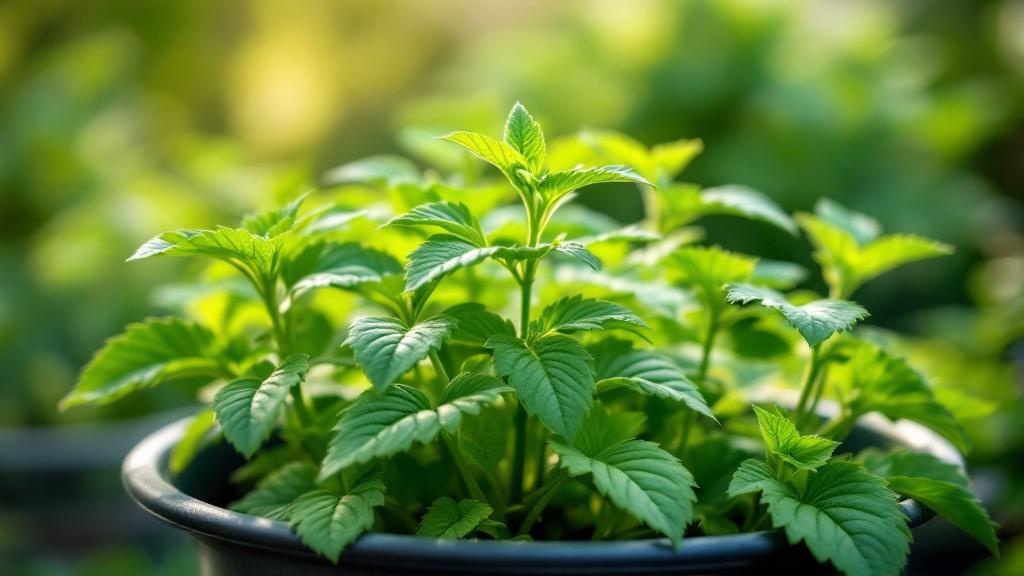
Soybean
Soybeans are one of the most nutritious crops you can grow in your home garden, packed with protein and surprisingly easy to cultivate in temperate climates. The most common question gardeners ask is when to plant soybeans, and the answer depends entirely on your last frost date. These warm-season legumes need soil temperatures of at least 15°C (60°F) to germinate properly, which typically means planting in late May or early June in USDA zones 5-8. Once established, they require minimal care and even improve your soil by fixing atmospheric nitrogen.
Watering Your Soybean Plants
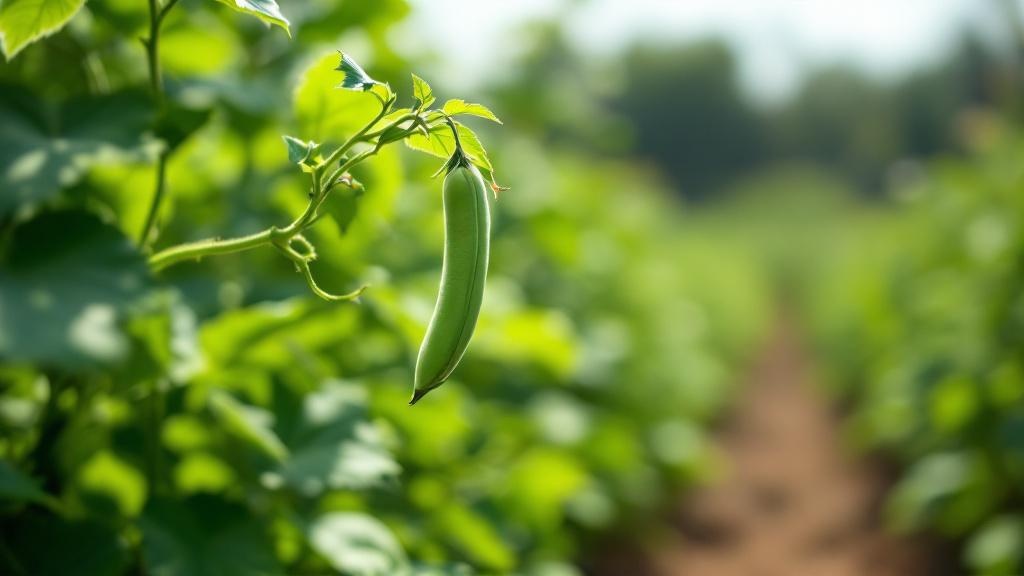
Soybeans need consistent moisture, especially during flowering and pod development from July through August. Provide 25-50mm (1-2 inches) of water weekly during these critical stages if rainfall is insufficient. Water at soil level in the morning to keep foliage dry and prevent fungal diseases. Reduce watering as pods mature and leaves begin yellowing in September.
Light Requirements for Soybeans
Soybeans require full sun with a minimum of 6-8 hours of direct sunlight daily for optimal pod production. Choose the sunniest spot in your garden, away from tall structures or trees that cast afternoon shade. Insufficient light leads to leggy plants with poor yields. In northern temperate regions, south-facing plots provide the best exposure.
Soil Preparation and Planting
Plant soybeans in well-draining loam with a pH between 6.0 and 7.0. Work in compost before planting but avoid high-nitrogen amendments since soybeans fix their own nitrogen through root nodules. Inoculate seeds with Bradyrhizobium japonicum bacteria if planting soybeans for the first time in that bed. Sow seeds 3-5cm deep and 5-8cm apart in rows 45-60cm apart after all frost danger has passed in late May.
Temperature and Climate Considerations
Soybeans thrive in warm conditions between 20-30°C (68-86°F) and cannot tolerate frost at any growth stage. In zones 5-6, select early-maturing varieties (80-90 days) to ensure harvest before autumn frosts arrive in late September. Seeds will not germinate in soil below 10°C. Hot spells above 35°C during flowering can cause blossom drop and reduced yields.
Fertilizing Soybeans
Soybeans rarely need nitrogen fertilizer because they form symbiotic relationships with nitrogen-fixing bacteria. Apply a balanced low-nitrogen fertilizer like 5-10-10 at planting if your soil is poor, or simply rely on compost. Excessive nitrogen actually reduces nodulation and can delay maturity. A side-dressing of potassium in mid-July supports pod development.
Common Soybean Problems and Solutions
Aphids often colonize soybean plants in June and July; blast them off with water or apply insecticidal soap if infestations are severe. Slugs and snails attack young seedlings in wet springs, so use iron phosphate pellets or beer traps around newly emerged plants. Powdery mildew can appear in humid late summers; ensure good air circulation by proper spacing and remove affected leaves promptly.
Frequently asked questions
When should I plant soybeans in my garden?
Plant soybeans after your last frost date when soil temperatures reach at least 15°C (60°F), typically late May to early June in temperate zones 5-8. Soybeans are extremely frost-sensitive and cold soil causes poor germination. Use a soil thermometer to confirm conditions before sowing.
How long do soybeans take to grow?
Soybeans take 80-120 days from planting to harvest, depending on the variety. Early-maturing varieties suitable for shorter growing seasons in northern temperate climates need about 80-90 days. Plant by early June to ensure harvest before autumn frosts begin in late September.
Why are my soybean leaves turning yellow?
Yellow soybean leaves typically indicate nitrogen deficiency, overwatering, or natural senescence near harvest time. If yellowing occurs early in the season, check that root nodules are pink inside (healthy) rather than green or brown. Poor nodulation often results from missing soil bacteria or waterlogged conditions.
Can I grow soybeans in containers?
Yes, soybeans grow reasonably well in containers at least 30cm deep and wide. Use one plant per 20cm pot or three plants in a 40cm container with drainage holes. Container soybeans need more frequent watering, often daily during hot July and August weather.
How do I know when soybeans are ready to harvest?
Soybeans are ready for fresh eating (edamame) when pods are plump and bright green, usually 35-45 days after flowering in August. For dry beans, wait until pods turn brown and rattle when shaken, typically in September or October. Harvest before pods split open and drop beans.