Pigsqueak
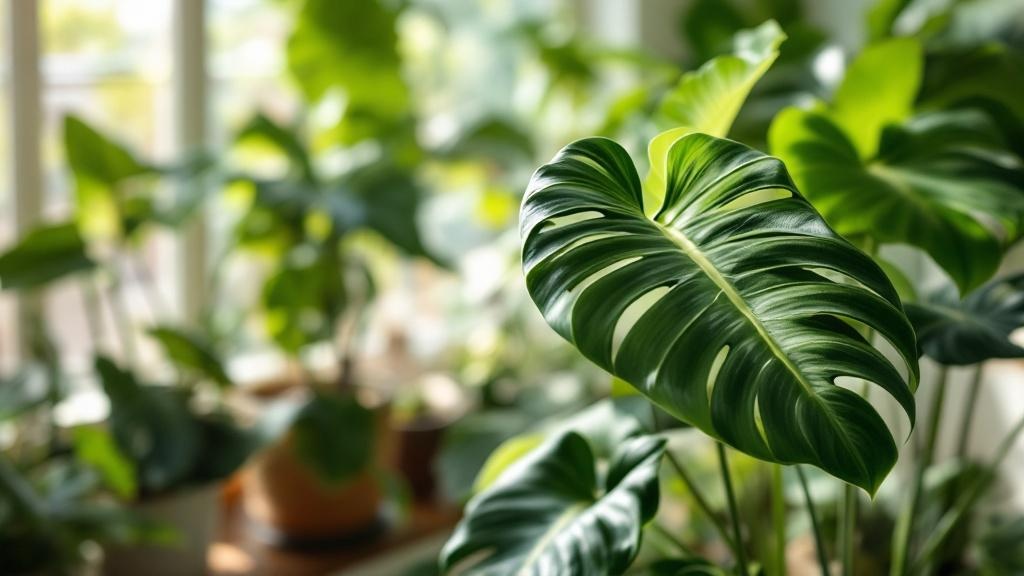
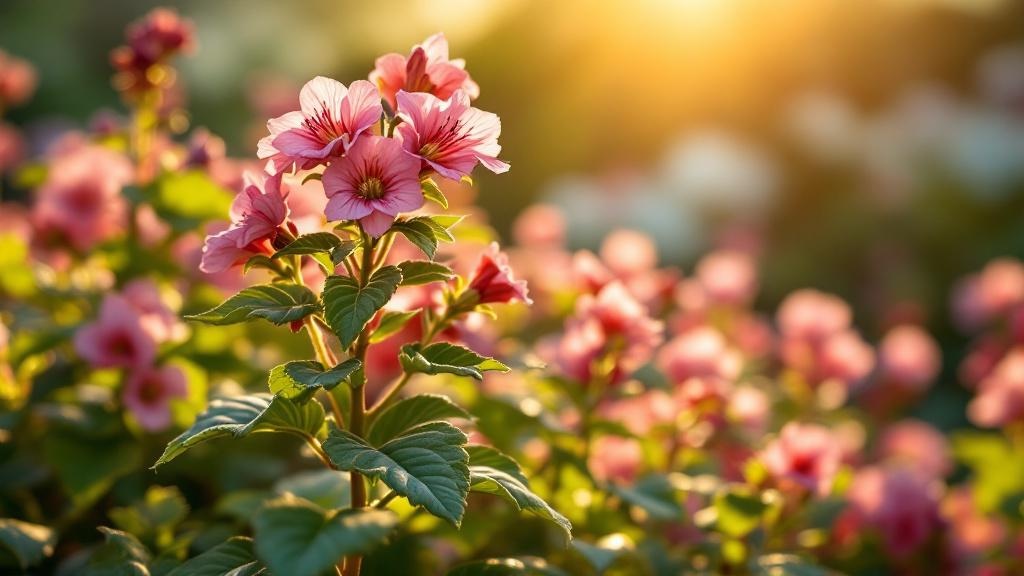
Pigsqueak earns its quirky name from the sound its thick leaves make when rubbed together. Gardeners searching for reliable ground cover in shade often ask: will Bergenia survive my cold winters? The answer is a resounding yes. This Siberian native thrives in USDA zones 3-8, producing clusters of pink, white, or magenta flowers in early spring while its glossy leaves turn bronze-red in autumn, providing year-round interest with minimal fuss.
Watering Your Pigsqueak: Finding the Right Balance
Water Bergenia deeply once every 7-10 days during dry spells in summer, allowing the top 5cm of soil to dry between waterings. Established plants are remarkably drought-tolerant but perform best with consistent moisture. Reduce watering significantly from November through February, as waterlogged soil in winter causes root rot. Morning watering helps leaves dry before evening, preventing fungal issues.
Light Requirements: Where to Plant Bergenia
Pigsqueak thrives in partial shade to full shade, making it ideal beneath deciduous trees or on north-facing borders. In zones 5-6, plants tolerate more morning sun, which intensifies autumn leaf coloration. Avoid hot afternoon sun in summer, which scorches leaf edges. For best flowering, provide at least 2-3 hours of dappled sunlight daily.
Soil and Repotting: Creating the Ideal Foundation
Plant Bergenia in humus-rich, well-draining soil amended with compost or leaf mold. A slightly acidic to neutral pH (5.8-7.0) suits this plant best. Divide crowded clumps every 4-5 years in early September or late March, replanting divisions 30-40cm apart. When stems become leggy and woody, cut back to soil level in early spring to encourage fresh basal growth.
Temperature and Humidity: Seasonal Considerations
Bergenia is exceptionally cold-hardy, surviving temperatures down to -30°C without protection. In zones 5-6, a light mulch of bark chips in late November protects shallow roots during harsh freezes. Plants tolerate average household and outdoor humidity without issue. The leathery leaves may brown slightly after severe frosts but recover quickly once temperatures rise in March.
Fertilizing: Feeding for Healthy Growth
Apply a balanced slow-release granular fertilizer (10-10-10) once in early April as new growth emerges. A second light application in mid-June supports flower bud formation for the following spring. Avoid high-nitrogen feeds, which produce lush foliage at the expense of blooms. Top-dress annually with 2-3cm of compost in autumn to maintain soil fertility naturally.
Common Problems: Pests, Diseases, and Solutions
Vine weevil is the primary pest in temperate regions, with larvae eating roots from September through spring. Apply beneficial nematodes in late August when soil temperatures exceed 12°C. Slugs and snails target young spring growth in March and April; use ferric phosphate pellets around plants. Leaf spot fungus appears in wet summers as brown patches; remove affected leaves promptly and improve air circulation by thinning overcrowded clumps.
Frequently asked questions
How often should I water Bergenia?
Water established Bergenia every 7-10 days during dry summer periods, allowing soil to partially dry between waterings. New plantings need more frequent watering for the first growing season. Reduce watering significantly in winter to prevent root rot in cold, wet soil.
Why are my Bergenia leaves turning yellow?
Yellow leaves typically indicate overwatering or poor drainage causing root stress. Check that soil drains freely and reduce watering frequency. Older outer leaves naturally yellow and die back in autumn, which is normal and not cause for concern.
When does Bergenia bloom?
Bergenia blooms in early to mid-spring, typically from late March through May in temperate zones 5-8. Flower clusters appear on sturdy stems above the foliage in shades of pink, magenta, or white. Some varieties produce a smaller secondary flush in mild autumns.
Is Bergenia toxic to cats and dogs?
Bergenia is non-toxic to cats, dogs, and horses according to major poison control databases. This makes Pigsqueak an excellent choice for pet-friendly gardens. The leathery leaves are generally unappetizing to animals, so nibbling is rarely a concern.
Can Bergenia grow in full shade?
Yes, Bergenia grows well in full shade, though flowering may be reduced compared to plants receiving some dappled light. Full shade is ideal in warmer zone 8 gardens where it protects leaves from scorching. For best blooms, provide 2-3 hours of filtered sunlight daily.