Cast Iron Plant
The Cast Iron Plant earns its tough reputation—it survives where almost everything else fails. Whether you're dealing with low light, irregular watering, or cold hallways, Aspidistra elatior adapts gracefully. This Victorian-era favourite is ideal for offices, bathrooms, and dimly lit corners. The most common question is whether it truly needs so little care—the answer is yes, but it still responds beautifully to basic attention.
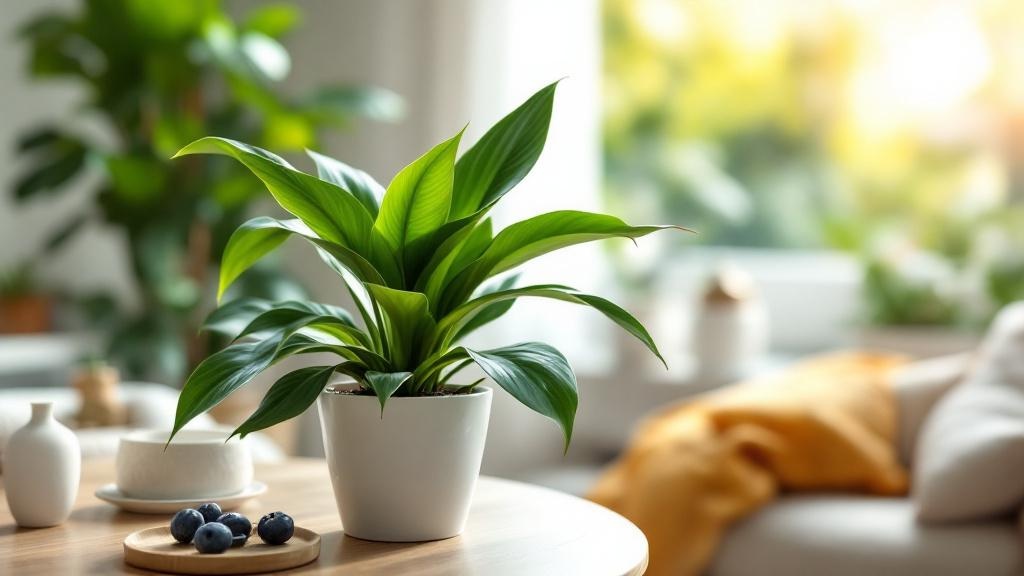
Watering Your Cast Iron Plant
Water every 10-14 days during the growing season (April to September), allowing the top 2-3 cm of soil to dry out between waterings. In winter, reduce frequency to every 3 weeks as growth slows. Aspidistra detests waterlogging—poor drainage causes root rot faster than underwatering causes decline. Empty any saucer after watering to prevent standing water.
Light Requirements
Cast Iron Plants excel in low to moderate indirect light, making them perfect for north-facing windows or offices without direct sun. They tolerate deep shade better than almost any other houseplant, though growth will be slower. Direct harsh sun can scorch the dark green leaves, so place them away from south-facing windows in summer. A bathroom or hallway with a window is ideal.
Soil & Repotting
Use standard multipurpose or loamy potting compost amended with perlite or coarse sand (1:4 ratio) to ensure drainage. Repot every 2-3 years in spring (late March to April) into a container only slightly larger than the current pot. Aspidistra prefer being slightly pot-bound and resent excessive soil disruption. Ensure the pot has drainage holes to prevent waterlogging.
Temperature & Humidity
Maintain temperatures between 12-24°C for healthy growth; the plant tolerates winter lows of 10°C without issue. Avoid placing near heating vents or draughty doors. Humidity is not critical—Aspidistra adapts to dry indoor air—but misting the leaves monthly removes dust and helps them absorb light more efficiently. Normal room humidity (40-50%) is sufficient.
Feeding Your Cast Iron Plant
Feed every 4 weeks during the growing season (May to August) with a balanced liquid houseplant fertilizer diluted to half strength. Aspidistra are not heavy feeders; over-fertilizing causes weak, leggy growth. In autumn and winter, stop feeding as the plant enters dormancy. A spring slow-release fertilizer pellet can replace liquid feeding entirely.
Common Problems & Solutions
Yellow leaves usually signal overwatering or cold exposure—check drainage and move away from draughty windows. Brown leaf tips result from dry air or fluoride in tap water; use filtered water and mist occasionally. Spider mites occasionally infest Aspidistra in warm, dry homes; spray affected leaves with neem oil or insecticidal soap fortnightly. Scale insects and mealybugs are rarer but treatable with the same approach.
Frequently asked questions
How often should I water a Cast Iron Plant?
Water every 10-14 days in growing season, allowing the top few centimetres of soil to dry out between waterings. In winter, reduce to every 3 weeks. Always check soil moisture before watering—Aspidistra prefer dry over wet.
Can Cast Iron Plants survive in low light?
Yes, they thrive in low light better than almost any other houseplant. North-facing windows, bathrooms, and offices without direct sun are perfect. Growth will be slower in very dim corners, but the plant will not suffer.
Why are my Cast Iron Plant leaves turning yellow?
Yellow leaves typically indicate overwatering or root rot from poor drainage. Check that soil dries between waterings and that the pot has drainage holes. Cold exposure below 10°C also causes yellowing; move the plant to a warmer spot.
Is Cast Iron Plant toxic to cats and dogs?
No, Cast Iron Plant is completely non-toxic to cats, dogs, and other pets. It is safe to keep in homes with curious animals and young children.
How do I repot an Aspidistra elatior?
Repot in spring (late March to April) into a pot only 2-3 cm larger in diameter. Use well-draining multipurpose compost mixed with perlite. Aspidistra prefer tight pots, so avoid overpotting. Water after repotting and return to normal care.