Eggplant
Eggplant is a rewarding warm-season crop for home gardeners in temperate zones, though it requires a longer growing season than many vegetables. Most growers start from seed indoors in late February or early March, then transplant after the last frost. The biggest challenge is keeping plants warm and consistently watered—eggplant hates cold soil and irregular moisture. If you're wondering why your eggplant flowers drop before fruiting or how to get dark, uniform fruits, you're in the right place.
Watering Your Eggplant
Eggplant demands consistent moisture but not waterlogging. Water deeply every 7-10 days during the growing season, increasing frequency during hot spells in July and August when plants may need water every 4-5 days. In temperate climates, mulch around the base with 5-7 cm of straw or wood chips to retain moisture and regulate soil temperature. Check soil moisture at 5 cm depth before watering; if it feels damp, wait another day or two.
Light Requirements
Eggplant is a sun-lover and requires a minimum of 6-8 hours of direct sunlight daily, ideally 8-10 hours for peak fruiting. In temperate zones, plant in an open, south-facing location away from shade cast by trees or structures. If growing in containers, position pots where they receive unobstructed morning and afternoon sun. Insufficient light leads to sparse flowering and fewer fruits.
Soil Preparation & Repotting
Prepare garden beds with rich, well-draining soil amended with 5-7 cm of compost or aged manure worked into the top 20 cm. Eggplant prefers a pH of 6.0-6.8 and benefits from steady nutrient availability. If growing in containers, use a 10-15 litre pot (one plant per pot) filled with quality potting mix blended with compost. Repot seedlings into 7-8 cm pots when they develop true leaves, then into final containers 4-6 weeks before transplanting outdoors.
Temperature & Humidity
Eggplant thrives in warmth and struggles below 15°C; optimal growth occurs between 18-25°C. In temperate climates, transplant seedlings outdoors only after the last spring frost (typically late April to mid-May, depending on region) when soil has warmed to at least 15°C. Humidity around 50-70% is ideal; good air circulation reduces fungal disease risk. In September, as temperatures drop, cover plants with fleece if frost threatens to extend the harvest season.
Fertilizing
Begin fertilizing 3-4 weeks after transplanting once plants are actively growing. Feed every 2-3 weeks with a balanced, water-soluble fertilizer (NPK 5-5-5 or similar) or a tomato-specific formula. Avoid high-nitrogen fertilizers, which promote leaf growth at the expense of fruit. If using slow-release granules, apply once at planting time. A light mulch top-dressing of compost every 4-6 weeks also provides steady nutrients.
Common Problems & Solutions
Flower drop (blooms fall before setting fruit) is common in cool springs or when watering is erratic; ensure soil temperature is 15°C+ and water consistently. Spider mites and flea beetles are the main pests in temperate regions—spray affected plants with neem oil or insecticidal soap, repeating every 10-14 days if needed. Verticillium wilt (wilting despite moist soil) is a soil-borne fungus; rotate planting location yearly and avoid wetting foliage in evening to reduce disease pressure.
Frequently asked questions
How long does it take for eggplant to fruit?
Eggplant typically flowers 60-80 days after transplanting and produces harvestable fruit 80-100 days from transplant. In temperate climates (zones 5-8), sowing indoors in late February and transplanting after last frost (late April/early May) means you can expect ripe fruit by mid-July to August. Early-maturing varieties like 'Ping Tung' can fruit 10-14 days earlier.
Why are my eggplant flowers dropping without setting fruit?
Flower drop is caused by temperature stress (below 15°C or above 28°C), inconsistent watering, or insufficient light. Ensure soil stays warm and evenly moist, position plants in full sun, and wait for warmer weather if spring transplanting coincides with a cold spell. Applying a balanced fertilizer once flowers appear can also help set fruit.
When should I harvest eggplant?
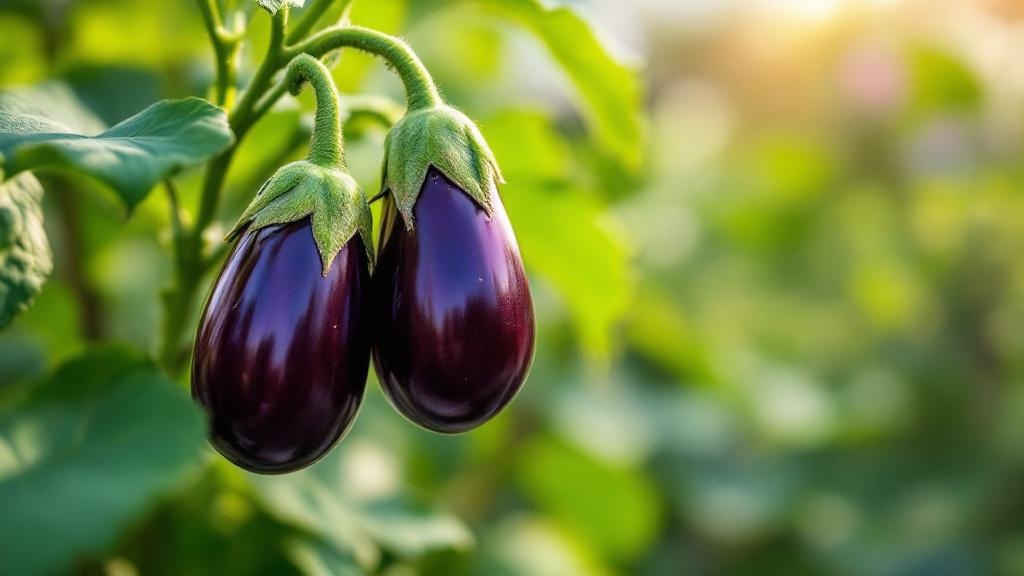
Harvest eggplants when they are firm, glossy, and 15-20 cm long, typically 6-8 weeks after flowering. Mature fruit should have glossy skin and yield slightly to finger pressure. In temperate zones, harvest regularly from July through September to encourage continued fruiting. Use a sharp knife to cut the stem, as fruits don't detach easily.
Can I grow eggplant in containers in a temperate climate?
Yes, eggplant thrives in 10-15 litre containers filled with quality potting mix. Container growing allows you to move plants to warmer, sunnier spots and gives better control over soil moisture and temperature. Place containers against a warm wall or in the sunniest part of your garden; container plants may need more frequent watering (every 5-7 days) in summer.
How often should I water eggplant?
Water deeply every 7-10 days during normal summer conditions, increasing to every 4-5 days during heat waves (above 25°C). Soil should be moist 5 cm down but not waterlogged. Inconsistent watering causes flower drop and bitter, tough fruit, so mulching and checking moisture regularly is key.
🩺 Common diseases and pests
These problems commonly affect this plant. Click any to see full symptom descriptions, organic and chemical treatment, and prevention.