Bird of Paradise
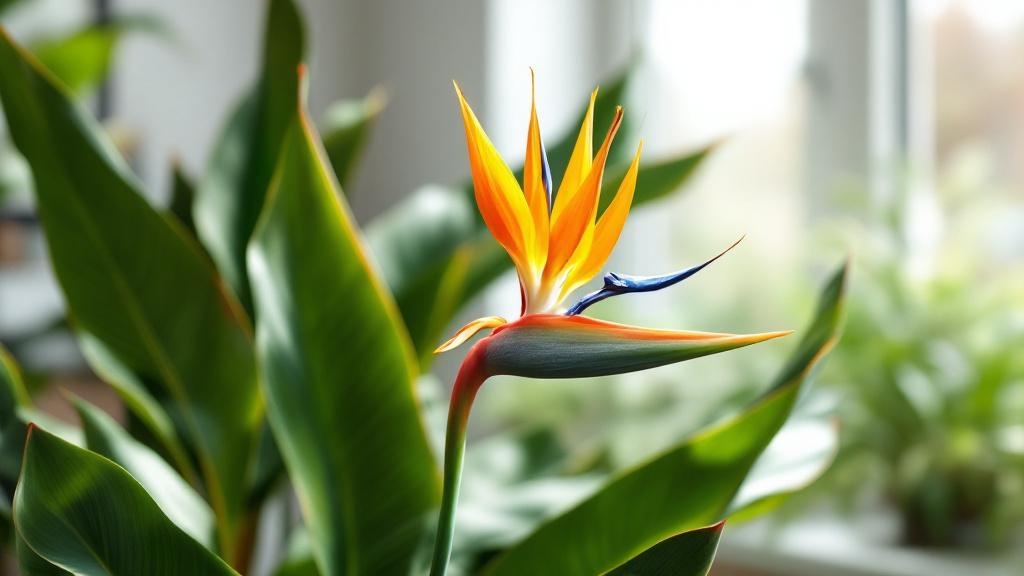
Bird of Paradise captures attention with its bold, sculptural foliage and exotic crane-shaped blooms. The most common question growers ask is why their plant refuses to flower indoors. The answer lies in providing enough direct light, maturity (plants need 4-6 years), and proper seasonal care. Native to South Africa, Strelitzia adapts surprisingly well to indoor life in temperate regions when you understand its needs.
Watering Your Bird of Paradise Correctly
Water thoroughly when the top 5 cm of soil feels dry, typically every 7-10 days in the growing season (April through September). Reduce to every 14-21 days from October to March when growth slows. Always empty the saucer after 30 minutes to prevent root rot. Strelitzia tolerates brief dry spells better than soggy roots, so when in doubt, wait another day or two.
Light Requirements for Indoor Strelitzia
Bird of Paradise needs the brightest spot you can offer, ideally 4-6 hours of direct sunlight daily. A south or southwest-facing window is ideal in the UK and Central Europe. Insufficient light is the main reason these plants never bloom indoors. If natural light is limited during dark November-February months, consider a full-spectrum grow light for 10-12 hours daily.
Soil and Repotting Guidelines
Use a well-draining mix of standard potting soil, perlite, and coarse sand in a 2:1:1 ratio. Repot every 2-3 years in early spring (late March to April) when roots emerge from drainage holes. Choose a pot only 5 cm larger than the previous one since slightly root-bound plants bloom more readily. Terracotta pots help wick excess moisture away from roots.
Temperature and Humidity Needs
Maintain temperatures between 15-24°C year-round, avoiding placement near cold drafts or radiators. Bird of Paradise tolerates average room humidity of 40-50% but appreciates occasional misting or a pebble tray during winter when central heating dries the air. Move plants away from single-glazed windows on frosty nights, as temperatures below 10°C cause leaf damage.
Fertilizing for Healthy Growth and Blooms
Feed every two weeks from April through August with a balanced liquid fertilizer diluted to half strength. Switch to a high-potassium tomato feed monthly in late summer to encourage flowering on mature plants. Stop fertilizing entirely from October through February when the plant rests. Over-fertilizing causes salt buildup and brown leaf edges.
Common Problems and Solutions
Spider mites thrive in dry heated rooms during winter, causing stippled, dusty-looking leaves. Wipe leaves monthly with a damp cloth and increase humidity to prevent infestations. Scale insects appear as brown bumps along stems and leaf undersides. Remove them with a cotton swab dipped in rubbing alcohol. Yellowing lower leaves often indicate overwatering or poor drainage, so check your watering schedule and ensure drainage holes are clear.
Frequently asked questions
Why is my Bird of Paradise not flowering indoors?
Your plant likely needs more direct sunlight and maturity to bloom. Strelitzia must be at least 4-6 years old and receive 4-6 hours of direct sun daily. Even then, indoor blooming in temperate climates is rare without supplemental lighting and a cool winter rest period around 12-15°C.
How often should I water Bird of Paradise in winter?
Water every 14-21 days during winter, allowing the top half of the soil to dry between waterings. Reduced light and cooler temperatures slow growth significantly from October to March, meaning roots sit in moisture longer. Overwatering during this dormant period is the leading cause of root rot.
Why are my Bird of Paradise leaves splitting?
Leaf splitting is completely natural and helps wild plants survive high winds. Indoor splits often result from physical damage during handling, low humidity, or irregular watering. While you cannot repair existing splits, consistent care prevents excessive tearing on new growth.
Is Bird of Paradise toxic to cats and dogs?
Yes, Bird of Paradise is mildly toxic to pets. Ingestion causes nausea, vomiting, and drowsiness due to compounds in the leaves and flowers. While rarely life-threatening, keep plants out of reach of curious pets and contact your vet if significant amounts are consumed.
When should I repot my Bird of Paradise?
Repot in early spring, ideally late March or April, just before the active growing season begins. Only repot when roots circle the bottom or emerge from drainage holes, typically every 2-3 years. Keeping the plant slightly root-bound actually encourages blooming, so avoid oversizing the pot.