Sweet Fennel (herb)
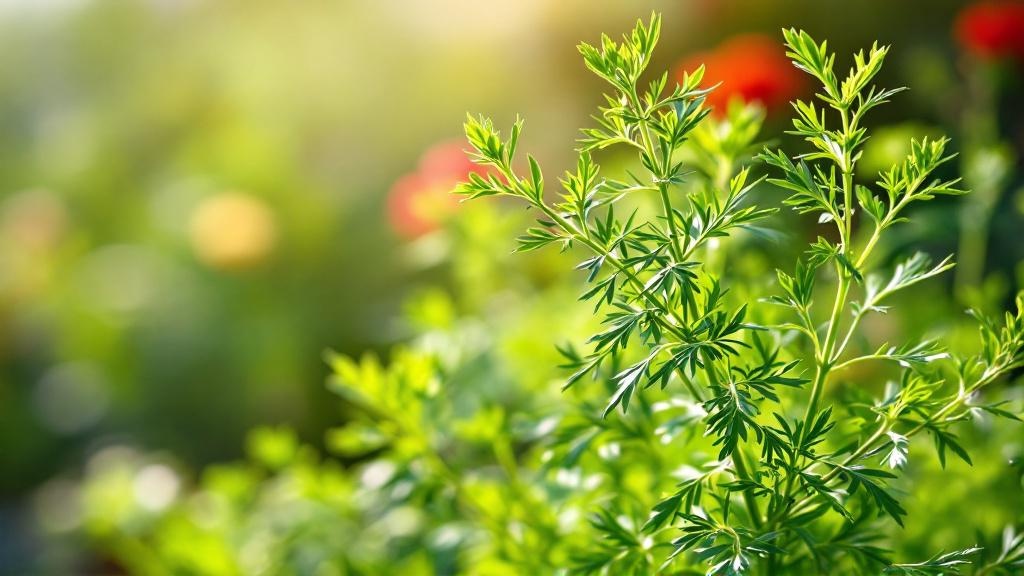
Sweet fennel brings Mediterranean charm to temperate gardens with its feathery, aromatic foliage and distinctive licorice flavor. This versatile herb serves triple duty — its fronds season fish and salads, its seeds flavor bread and sausages, and its bulbous stem base adds crunch to autumn dishes. The most common question gardeners ask is why their fennel bolts before forming a proper bulb, and the answer lies in understanding this plant's sensitivity to day length and temperature fluctuations.
Watering Sweet Fennel for Steady Growth
Sweet fennel needs consistent moisture to develop tender fronds and prevent premature bolting. Water deeply every 5-7 days in summer, allowing the top 3cm of soil to dry between waterings. Reduce frequency in autumn as growth slows, but never let plants become drought-stressed during bulb formation. Mulching with straw or compost in June helps retain soil moisture during hot spells.
Light Requirements for Lush Fennel
Plant sweet fennel in full sun, ensuring at least 6 hours of direct light daily. In temperate zones 5-8, a south-facing position with some afternoon shelter works best. Insufficient light produces leggy, weak plants with diminished flavor. If starting seeds indoors in March, use a sunny windowsill or grow lights to prevent etiolation before transplanting outdoors in late May.
Soil and Repotting for Container Fennel
Sweet fennel thrives in fertile, well-draining soil with a pH of 6.5-7.5. Amend heavy clay soils with compost and horticultural grit before planting. For container growing, use a minimum 30cm deep pot with quality potting mix enriched with slow-release fertilizer. Fennel develops a long taproot and resents transplanting, so direct sow outdoors after last frost or use biodegradable pots that can be planted whole.
Temperature and Humidity for Temperate Gardens
Sweet fennel grows best between 15-21°C and tolerates light frost once established, though young plants need protection. In zones 5-6, treat as an annual and sow in late May after soil warms. In milder zone 7-8 areas, autumn-sown fennel may overwinter with fleece protection. Fennel handles average humidity well but appreciates good air circulation to prevent fungal issues during damp autumn weather.
Fertilizing Throughout the Growing Season
Apply a balanced organic fertilizer at planting time in late spring. Side-dress with compost or a nitrogen-rich feed like blood meal in July when plants reach 30cm height. Avoid over-fertilizing, which promotes excessive foliage at the expense of bulb development. Container-grown fennel benefits from liquid seaweed feed every 3-4 weeks from June through August.
Common Problems with Sweet Fennel
Aphids cluster on tender new growth from late May onward — blast them off with water or apply insecticidal soap early before populations explode. Slugs and snails attack young seedlings in damp spring weather; use beer traps or organic slug pellets when transplanting outdoors. Premature bolting is the most frustrating issue, typically caused by cold snaps below 10°C or drought stress — maintain consistent watering and avoid planting out too early to prevent this.
Frequently asked questions
How often should I water sweet fennel?
Water sweet fennel every 5-7 days during the growing season, providing deep soakings rather than frequent light watering. The soil should remain consistently moist but never waterlogged. Inconsistent watering is the primary trigger for bolting, so maintain a regular schedule especially during bulb formation in late summer.
Why is my fennel bolting before forming a bulb?
Fennel bolts prematurely when stressed by cold temperatures below 10°C, drought, or root disturbance during transplanting. To prevent bolting, sow seeds directly outdoors after late May, maintain consistent moisture, and choose bolt-resistant varieties like Zefa Fino. Once a plant bolts, the bulb becomes woody and inedible, but you can still harvest the seeds and fronds.
When should I harvest sweet fennel?
Harvest fennel fronds anytime once plants reach 30cm tall, typically from July onward. Bulbs are ready when they reach tennis-ball size, usually 90-100 days after sowing, around September in temperate zones. Seeds ripen in late September to October when they turn brown — cut whole seed heads and dry them indoors before storing.
Is sweet fennel toxic to cats?
Sweet fennel is not toxic to cats or dogs and is considered safe around pets. In fact, fennel has traditionally been used to aid digestion in animals. However, eating large quantities of any herb may cause mild gastrointestinal upset, so discourage pets from grazing extensively on your fennel plants.
Can I grow sweet fennel in a pot?
Yes, sweet fennel grows well in containers at least 30cm deep to accommodate its taproot. Use rich potting mix, ensure excellent drainage, and water more frequently than garden plants since containers dry out faster. Position the pot in full sun and feed every 3-4 weeks with liquid fertilizer from June through August.