Black Locust
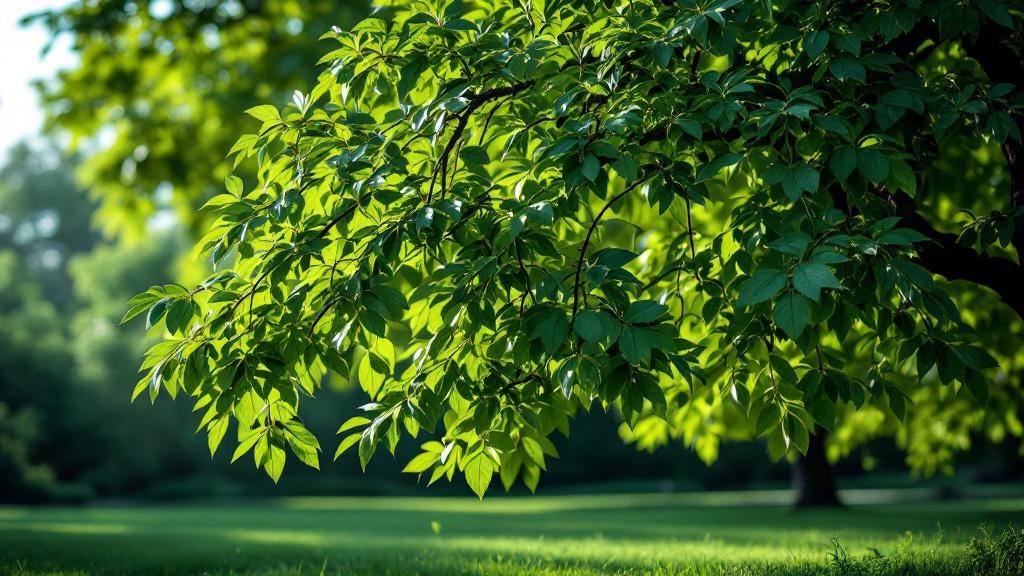
Black Locust is one of the toughest deciduous trees you can plant in a temperate garden, tolerating poor soils, drought, and urban pollution with ease. Its clusters of intensely fragrant white flowers in late May attract pollinators in droves, while its deep roots fix nitrogen and improve soil health. The most common question gardeners ask is whether this vigorous tree will become invasive — and yes, managing its suckering habit is essential for keeping it contained in smaller landscapes.
Watering Your Black Locust Tree
Water newly planted Black Locusts deeply once per week during their first two growing seasons to establish roots. Once established, these trees are remarkably drought-tolerant and rarely need supplemental watering except during extended dry spells lasting more than 3-4 weeks. Overwatering causes more problems than underwatering — avoid planting in waterlogged areas or heavy clay without drainage amendments.
Light Requirements for Healthy Growth
Black Locust demands full sun with at least 6 hours of direct sunlight daily to thrive and flower abundantly. Trees grown in partial shade become leggy, produce fewer blooms, and are more susceptible to disease. Position away from buildings or larger trees that might cast afternoon shade. In temperate climates, a south or west-facing exposure is ideal.
Soil and Planting Considerations
One of Black Locust's greatest strengths is its tolerance for poor, dry, or compacted soils where other trees struggle. It actively improves soil by fixing atmospheric nitrogen through root nodules. Plant bare-root trees in early April before bud break, or container-grown specimens any time from March through October. Avoid rich, constantly moist soils which encourage excessive suckering and weak wood.
Temperature and Climate Tolerance
Black Locust is exceptionally cold-hardy, surviving winters down to minus 30 degrees Celsius without protection. It also handles summer heat and urban pollution admirably. Late spring frosts in April or early May can damage emerging flowers, reducing that year's bloom display but not harming the tree long-term. No winter protection is needed in zones 5-8.
Fertilizing Black Locust Trees
Thanks to nitrogen-fixing bacteria in their root nodules, Black Locusts rarely need fertilizer and adding nitrogen can actually promote weak, fast growth prone to storm damage. On extremely poor or newly disturbed soils, a light application of balanced slow-release fertilizer in early April during the first two years may help establishment. Mature trees require no feeding whatsoever.
Common Problems and Solutions
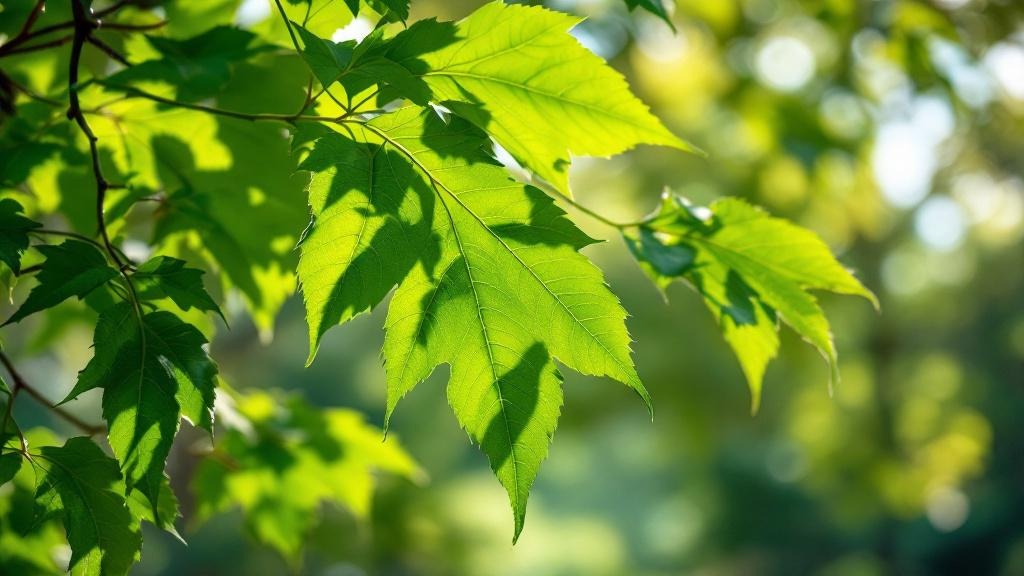
Locust borer beetles are the most serious pest in temperate regions, tunneling into trunks and branches — prune out affected wood in late autumn and maintain tree vigor to resist attacks. Locust leaf miner causes brown, papery patches on leaves from June onwards but rarely threatens tree health; affected leaves can be raked and destroyed in October. Suckering is the biggest management challenge — mow or dig out root sprouts regularly throughout the growing season to prevent unwanted spread.
Frequently asked questions
Is Black Locust invasive in gardens?
Yes, Black Locust spreads aggressively through root suckers and can become invasive, especially in disturbed soils. Contain it by mowing suckers regularly, installing root barriers, or choosing the less vigorous cultivar Frisia. Check local regulations as it is considered invasive in some European regions.
Is Black Locust toxic to dogs and cats?
Yes, Black Locust is toxic to dogs, cats, and horses. The bark, seeds, and leaves contain robin and robitin, which cause vomiting, weakness, and in severe cases, cardiovascular issues if ingested. Keep pets away from fallen seedpods and prune low branches to prevent access.
When does Black Locust bloom?
Black Locust blooms in late May to early June in temperate climates, producing hanging clusters of fragrant white flowers that last approximately 10-14 days. The intensely sweet fragrance attracts bees, making this tree excellent for honey production. Flowering typically begins when trees reach 6-10 years of age.
How fast does Black Locust grow?
Black Locust grows extremely fast, adding 60-90 centimeters of height per year in optimal conditions during its first decade. Young trees can reach 12-15 meters within 20 years. This rapid growth produces brittle wood, so select planting sites away from structures where falling branches could cause damage.
Why are my Black Locust leaves turning brown?
Brown patches on Black Locust leaves typically indicate locust leaf miner damage, a common pest that tunnels between leaf layers from June through August. While unsightly, this rarely harms established trees. Severe browning with wilting branches may indicate locust borer infestation, requiring prompt removal of affected wood.