Japanese Banana
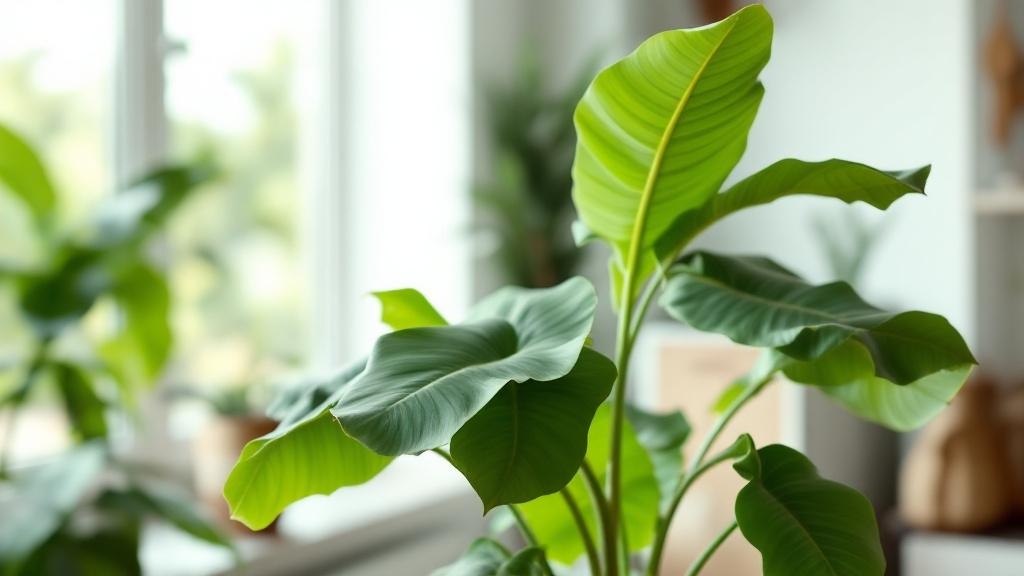
The Japanese Banana is the go-to choice for gardeners who want tropical drama in a temperate climate. Native to the Ryukyu Islands, Musa basjoo can survive winters down to minus 10 degrees Celsius with proper mulching, making it uniquely suited to Central European and Northern US gardens. The most common question people ask is how to overwinter this plant, whether grown in containers or planted outdoors. With the right preparation starting in late September, you can enjoy those magnificent paddle-shaped leaves year after year.
Watering Your Japanese Banana: Keeping Up With a Thirsty Plant
Japanese Bananas are heavy drinkers, especially during the growing season from May through September. Water every 3-5 days in summer, ensuring the soil stays consistently moist but never waterlogged. In winter, reduce watering to once weekly for container plants kept indoors, allowing the top 5 centimeters of soil to dry between waterings. Always use pots with drainage holes to prevent root rot during the dormant period.
Light Requirements: Maximizing Those Giant Leaves
For the most impressive foliage, provide full sun with at least 6 hours of direct light daily. In containers, a south-facing window or conservatory works well during the indoor months from October to April. Outdoors, choose a sheltered spot that receives maximum sunlight while being protected from strong winds that can shred the large leaves. In exceptionally hot summers, light afternoon shade prevents leaf scorch.
Soil and Repotting: Feeding a Fast Grower
Use a rich, loamy potting mix amended with compost and perlite for drainage. A mix of two parts quality multipurpose compost, one part perlite, and one part well-rotted manure works excellently. Repot container plants every spring in April, moving up one pot size until you reach a 50-centimeter container. Outdoor plants benefit from generous compost additions each spring worked into the surrounding soil.
Temperature and Humidity: The Overwintering Challenge
While Musa basjoo tolerates temperatures down to minus 10 Celsius, this hardiness applies only to the underground rhizome. In late September, before first frost, cut outdoor plants back to 30 centimeters and apply a 40-centimeter layer of straw mulch covered with fleece. Container plants should move indoors when night temperatures drop below 10 degrees, ideally to a cool room around 10-15 Celsius. Maintain 50-60 percent humidity indoors using a pebble tray or humidifier.
Fertilizing: Fueling Rapid Summer Growth
Japanese Bananas are greedy feeders during active growth. Apply a balanced liquid fertilizer every 2 weeks from May through August, or use slow-release granules in spring. A high-potassium tomato feed in midsummer encourages stronger stems. Stop fertilizing entirely from October through March when the plant enters dormancy. Over-fertilizing during winter leads to weak, leggy growth.
Common Problems: Pests, Diseases, and Environmental Stress
Wind damage is the primary enemy, tearing those magnificent leaves into ribbons. Plant in a sheltered location or near a south-facing wall for protection. Spider mites can attack indoor plants during winter heating season; mist regularly and wipe leaves with a damp cloth. Root rot occurs in waterlogged winter soil, so ensure excellent drainage for both container and outdoor plants. Aphids occasionally appear on new growth in late spring; treat with insecticidal soap promptly.
Frequently asked questions
How do I overwinter a Japanese Banana outdoors?
Cut the stem back to 30 centimeters after first frost, then pile 40 centimeters of straw mulch over the crown and cover with horticultural fleece. The underground rhizome survives temperatures to minus 10 Celsius with this protection. Remove the mulch gradually in April once hard frosts have passed.
Why are my Japanese Banana leaves turning yellow?
Yellow leaves typically indicate overwatering, especially during cooler months when the plant needs less moisture. Check that your pot has adequate drainage and reduce watering frequency. Older lower leaves naturally yellow and die as the plant grows, which is normal and not cause for concern.
How fast does Musa basjoo grow?
Japanese Banana grows remarkably fast, reaching 2-3 meters in a single growing season under optimal conditions. New leaves can unfurl every 7-10 days during peak summer growth. Container plants grow somewhat slower due to root restriction but still produce impressive foliage.
Will my Japanese Banana produce fruit?
Musa basjoo can flower and produce small bananas after 2-3 years, but the fruit is not edible and full of seeds. In temperate climates, flowering is rare because it requires sustained warmth. The plant is grown primarily for its stunning ornamental foliage rather than fruit production.
Is Japanese Banana safe around pets?
Yes, Japanese Banana is completely non-toxic to cats, dogs, and other household pets. All parts of the plant are safe, making it an excellent choice for homes with curious animals. However, pets chewing on leaves can cause cosmetic damage to the plant.
🩺 Common diseases and pests
These problems commonly affect this plant. Click any to see full symptom descriptions, organic and chemical treatment, and prevention.