Peacock Plant
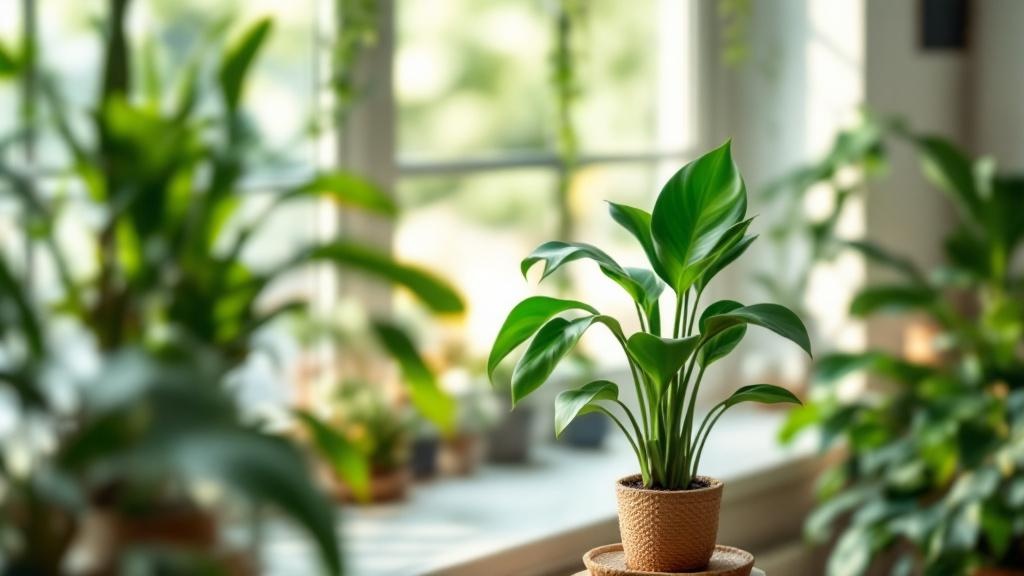
Peacock Plant is prized by houseplant collectors for its striking eye-like leaf patterns and mesmerizing nighttime movements—the leaves fold up dramatically each evening. However, this beauty demands attention: it's sensitive to water quality, low humidity, and temperature swings common in temperate homes. Learning the right watering and humidity routine is the key to keeping it happy and displaying those gorgeous markings year-round.
Watering Your Peacock Plant
Calathea makoyana prefers consistently moist (not waterlogged) soil year-round. Water every 5-7 days in spring and summer, reducing to every 10 days in autumn and winter as growth slows. Use filtered or distilled water if possible—tap water chlorine and minerals cause brown leaf tips, one of the most common complaints. Check the top inch of soil; if it feels dry, water thoroughly until it drains from the pot base.
Light Requirements for Peacock Plant
Place your Peacock Plant in bright, filtered indirect light—an east or north-facing window is ideal in temperate climates. Avoid direct summer sun, which fades the leaf pattern and causes scorching. If leaves become pale or growth slows, move closer to a light source (but keep it diffused). Maintain consistent light levels; sudden changes stress the plant and trigger leaf drop.
Soil and Repotting
Use a light, peat-rich potting mix or orchid bark blend that drains well but retains some moisture. Repot in late March or April (early spring) when growth resumes, moving up just one pot size. Peacock Plants prefer staying slightly root-bound, so avoid over-potting. Ensure the pot has drainage holes; sitting in water causes root rot, which is difficult to reverse.
Temperature and Humidity
Keep temperatures between 18-24°C; Peacock Plant suffers below 16°C and resents sudden temperature drops or drafts from heaters and AC units. Humidity is critical—aim for 50-60% or higher. Mist the leaves 2-3 times weekly with distilled water, place the pot on a pebble tray filled with water, or run a humidifier nearby. Low humidity causes leaf edges to brown and the plant to lose vigor.
Fertilizing Your Peacock Plant
Feed every 3-4 weeks during the growing season (March to September) with a diluted, balanced liquid fertilizer (10-10-10 or similar). Reduce feeding in autumn and stop entirely in winter. Over-fertilizing causes salt buildup, leading to brown tips and leaf damage. If using tap water for dilution, allow it to sit 24 hours to let chlorine dissipate before mixing with fertilizer.
Common Peacock Plant Problems
Brown leaf tips and edges are caused by low humidity, hard tap water, or irregular watering—switch to distilled water and increase misting. Spider mites thrive in dry indoor air; inspect the undersides of leaves for fine webbing and treat with horticultural soap if detected early. Leaf yellowing and drop occur when the plant is cold (below 16°C) or sitting in soggy soil; move it to a warmer spot and reduce watering frequency immediately.
Frequently asked questions
How often should I water Peacock Plant?
Water every 5-7 days in spring and summer, keeping the soil consistently moist but not waterlogged. Reduce to every 10 days in autumn and winter. Always use distilled or filtered water to prevent brown-tipped leaves caused by chlorine and minerals.
Why are the edges of my Peacock Plant leaves brown?
Brown edges are usually caused by low humidity (below 40%), tap water minerals, or inconsistent watering. Increase misting to 2-3 times weekly, switch to distilled water, and maintain steady moisture levels. Run a humidifier or group plants together to raise ambient humidity.
What light does Peacock Plant need?
Peacock Plant thrives in bright, filtered indirect light. East or north-facing windows are ideal in temperate climates; avoid direct sun, which fades leaf patterns and causes scorching. If growth slows, gradually move the plant slightly closer to a light source.
Is Peacock Plant toxic to cats and dogs?
No, Calathea makoyana is completely non-toxic to cats, dogs, and other pets. It's a safe choice for homes with curious animals, though the leaves may still be nibbled if the plant is within easy reach.
Why is my Peacock Plant dropping leaves?
Leaf drop is usually caused by cold temperatures below 16°C, drafts from heating systems, or overly wet soil leading to root rot. Move the plant away from windows and heaters, maintain temperatures between 18-24°C, and allow the top inch of soil to dry slightly between waterings.