Blackthorn
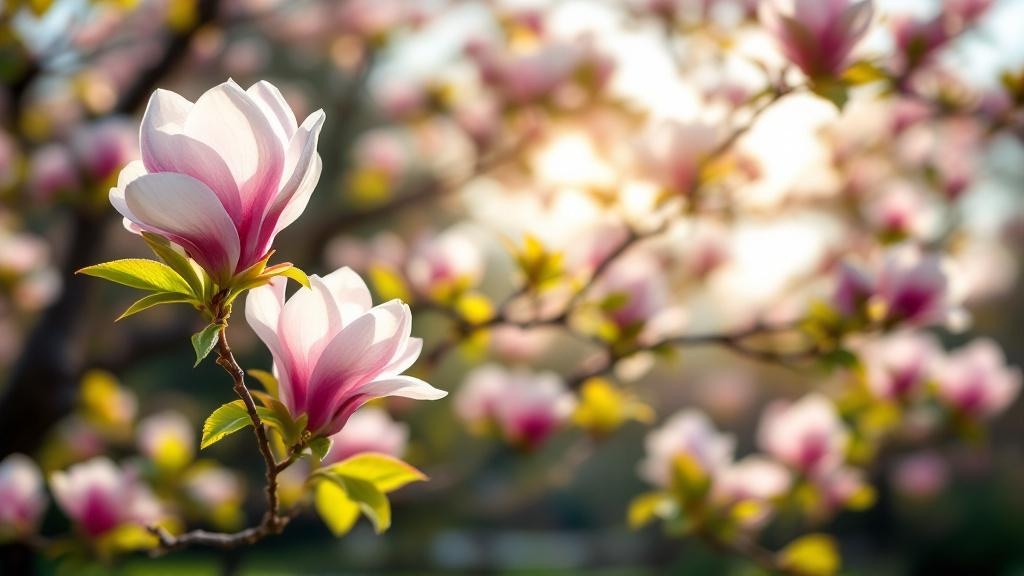
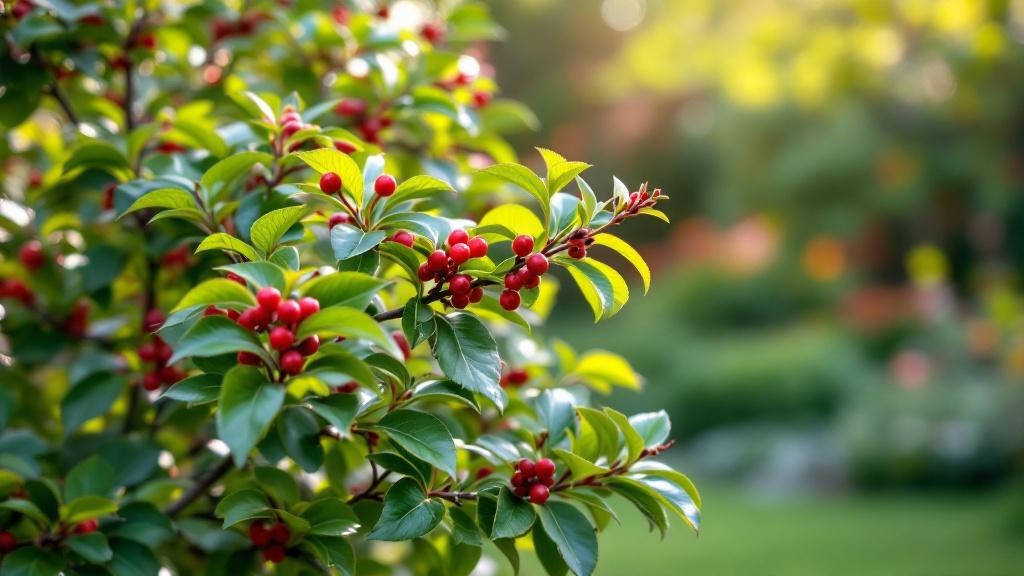
Blackthorn is one of the first shrubs to flower in early spring, covering bare branches with delicate white blossoms as early as late March. Home gardeners often search for advice on when to prune this vigorous hedging plant and how to manage its suckering habit. Native to Europe and perfectly suited to temperate climates, Blackthorn provides exceptional wildlife habitat while producing the famous sloe berries harvested after the first frost for making sloe gin.
Watering Your Blackthorn
Established Blackthorn shrubs are remarkably drought-tolerant and rarely need supplemental watering in temperate climates. Water newly planted shrubs weekly during their first summer, especially during dry spells in July and August. Once established after 1-2 years, natural rainfall is typically sufficient. Only water during extended drought periods exceeding 3-4 weeks without rain.
Light Requirements for Blackthorn
Blackthorn performs best in full sun, which encourages abundant flowering and fruit production. It tolerates partial shade but will produce fewer blossoms and sloe berries in shadier positions. For hedging purposes, a site receiving at least 4-6 hours of direct sunlight produces the densest growth. Avoid deep shade where the shrub becomes leggy and sparse.
Soil and Planting Blackthorn
Blackthorn thrives in almost any soil type, including heavy clay and chalky ground that challenges other shrubs. Plant bare-root specimens from November to March when dormant, or container-grown plants year-round. No soil amendment is typically necessary, though improving drainage in waterlogged sites helps establishment. Space hedging plants 30-45cm apart for a dense screen within 3-4 years.
Temperature and Hardiness
Blackthorn is exceptionally cold-hardy, surviving temperatures down to minus 20C without damage. It flourishes throughout USDA zones 5-8 and handles exposed, windy sites that would damage less robust shrubs. The early spring flowers can occasionally suffer frost damage during severe late March cold snaps, but this rarely affects overall plant health. No winter protection is needed in temperate regions.
Feeding Blackthorn Shrubs
Blackthorn requires minimal fertilization in most garden soils. Apply a balanced granular fertilizer in early April around young plants for the first 2-3 years if growth seems slow. Established shrubs benefit from a light mulch of well-rotted compost in autumn, which feeds the soil gradually. Avoid high-nitrogen feeds that promote excessive suckering at the expense of flowers.
Common Blackthorn Problems
Blackthorn pocket disease causes distorted, bladder-like fruits and is common in damp springs; remove affected fruits promptly and improve air circulation through pruning. Silver leaf fungus enters through pruning wounds, showing silvery foliage and branch dieback; always prune in dry weather between June and August when spore activity is lowest. Aphids may colonize new growth in May; these typically cause cosmetic damage only and are controlled by natural predators or a strong water spray.
Frequently asked questions
When should I prune Blackthorn?
Prune Blackthorn between June and August after flowering finishes. Summer pruning reduces silver leaf disease risk compared to winter cuts. For hedges, trim once or twice during summer to maintain shape while preserving developing sloe berries.
How do I stop Blackthorn spreading?
Install a root barrier to a depth of 45cm when planting to contain suckering growth. For existing plants, regularly mow or dig out suckers appearing in lawns throughout the growing season. Removing suckers consistently over 2-3 years significantly reduces their vigor.
When does Blackthorn flower?
Blackthorn flowers in late March to early April before the leaves emerge, making it one of the earliest flowering shrubs. The white blossoms appear on bare branches and typically last 2-3 weeks. Cold springs may delay flowering into mid-April.
When should I pick sloe berries?
Harvest sloe berries after the first hard frost, typically in late October or November in temperate climates. Frost breaks down tannins and softens the flesh, reducing extreme bitterness. Alternatively, pick earlier and freeze berries for 48 hours to simulate frost effects.
Is Blackthorn poisonous to dogs?
Yes, Blackthorn leaves, bark, and seeds contain compounds that release cyanide when ingested. The ripe berry flesh is not toxic in small quantities, but the seeds inside are harmful. Keep dogs from chewing branches or consuming large amounts of fallen berries with seeds.