Dwarf Umbrella Tree
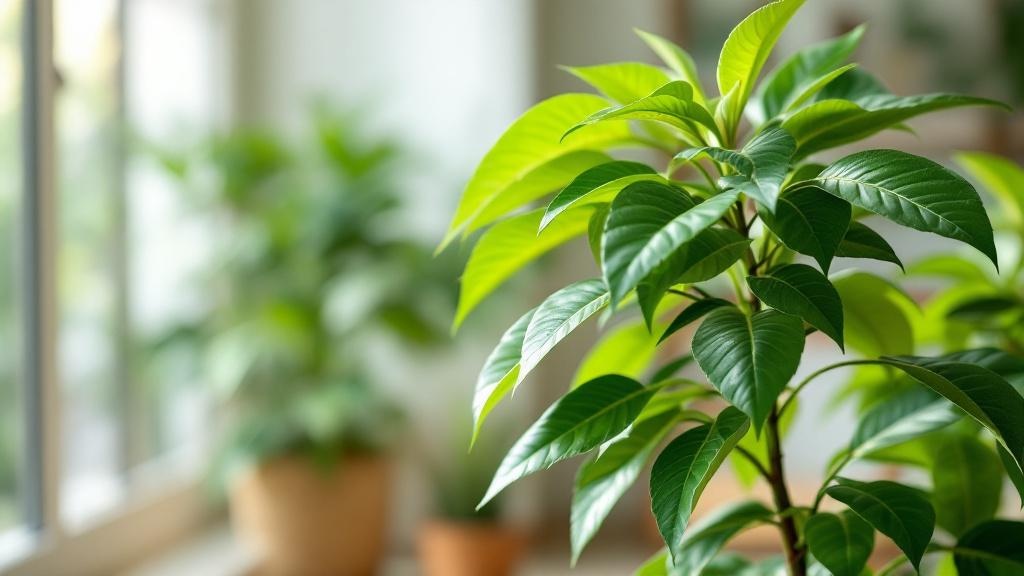
Schefflera arboricola, or Dwarf Umbrella Tree, is one of the most forgiving houseplants for temperate homes. Its umbrella-like foliage and architectural shape make it a popular living room and office companion. The most common question: why are the leaves dropping? Usually it's overwatering or cold drafts — both easily fixed.
Watering Your Dwarf Umbrella Tree
Allow the top 2-3 cm of soil to dry between waterings — this is the most important rule. In summer (May to September) water every 7-10 days; in winter reduce to every 14 days as growth slows. Overwatering causes root rot and leaf drop, the plant's most common complaint. Use room-temperature water and discard any that pools in the saucer after 15 minutes.
Light Requirements for Healthy Growth
Dwarf Umbrella Trees thrive in bright indirect light — a north or east-facing window is ideal in temperate climates. They tolerate partial shade but grow slower and become leggy in low light. Avoid direct summer midday sun through unshaded south-facing windows, which can scorch leaves. Rotate the pot 90 degrees weekly to encourage evenly balanced growth.
Soil and Repotting Tips
Use a general-purpose houseplant potting mix amended with perlite or orchid bark for drainage — this plant hates waterlogged roots. Repot every 18-24 months in spring (March to April) into a pot only 5 cm larger than the current one. Do not use heavy garden soil or clay-based composts. If the plant looks stunted despite good care, root-bound conditions are likely — check roots when repotting.
Temperature and Humidity Control
Maintain temperatures between 15-24°C for best growth; the plant survives down to 10°C but stops growing and drops leaves in sustained cold. Keep away from heating vents, air-conditioning drafts, and cold window sills in winter. Humidity is not critical but misting the leaves monthly removes dust and mimics its tropical origin. In centrally heated homes (typical in Northern Europe and the UK in winter), this extra moisture helps prevent spider mites.
Feeding Your Dwarf Umbrella Tree
Feed every 4 weeks from April to August with a diluted balanced liquid houseplant fertilizer (NPK ratio 10-10-10 or similar). Reduce to once in September and stop entirely from October to March as growth slows. Do not fertilize newly potted plants for the first 6 weeks. Overfertilizing causes salt buildup, stunting and yellowing — water well if this happens.
Common Problems and Solutions
Leaf drop is usually caused by overwatering, cold drafts below 10°C, or sudden temperature swings — check roots for rot and adjust watering. Spider mites appear as fine webbing on undersides of leaves in dry heated homes; spray with water or insecticidal soap every 3 days for 2 weeks. Yellowing leaves combined with a soft stem indicates root rot — unpot immediately, trim rotted roots with clean scissors, and repot in fresh dry soil.
Frequently asked questions
How often should I water my Dwarf Umbrella Tree?
Water every 7-10 days in summer and every 14 days in winter, allowing the top 2-3 cm of soil to dry between waterings. Overwatering causes the most problems, so err on the side of dryness — the plant tolerates drought better than wet roots.
Why are my Schefflera leaves dropping?
Leaf drop is almost always caused by overwatering, cold drafts, or sudden temperature changes below 10°C. Check the soil for rot, adjust watering if soggy, and move the plant away from cold windows and heating vents.
Can Dwarf Umbrella Trees grow in low light?
They survive in partial shade but grow very slowly and become thin and leggy, losing their attractive bushy shape. Bright indirect light (north or east-facing windows) produces the best compact, full foliage.
Is the Dwarf Umbrella Tree toxic to cats and dogs?
Yes, it is mildly toxic if ingested and causes oral irritation and stomach upset in pets. Keep it out of reach of cats and dogs that chew on plants, or choose a safer alternative like a spider plant.
How do I repot a Dwarf Umbrella Tree?
Repot in spring (March to April) into a pot only 5 cm larger, using well-draining potting mix with added perlite. Water lightly after repotting and wait 6 weeks before fertilizing. Most plants need repotting only every 18-24 months.