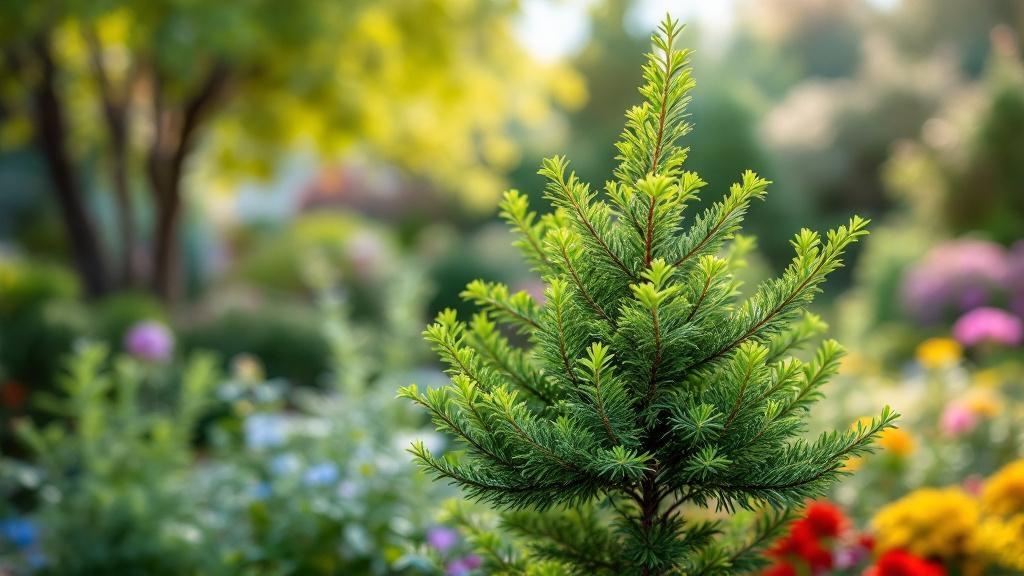
Blueberry
Blueberries are a rewarding fruit crop for temperate gardeners, producing sweet berries from mid-summer onwards. The biggest care question most growers face is soil pH—blueberries demand acidic conditions (4.5–5.5 pH) that many garden soils don't naturally provide. With the right soil setup and consistent care, you'll enjoy years of abundant harvests.
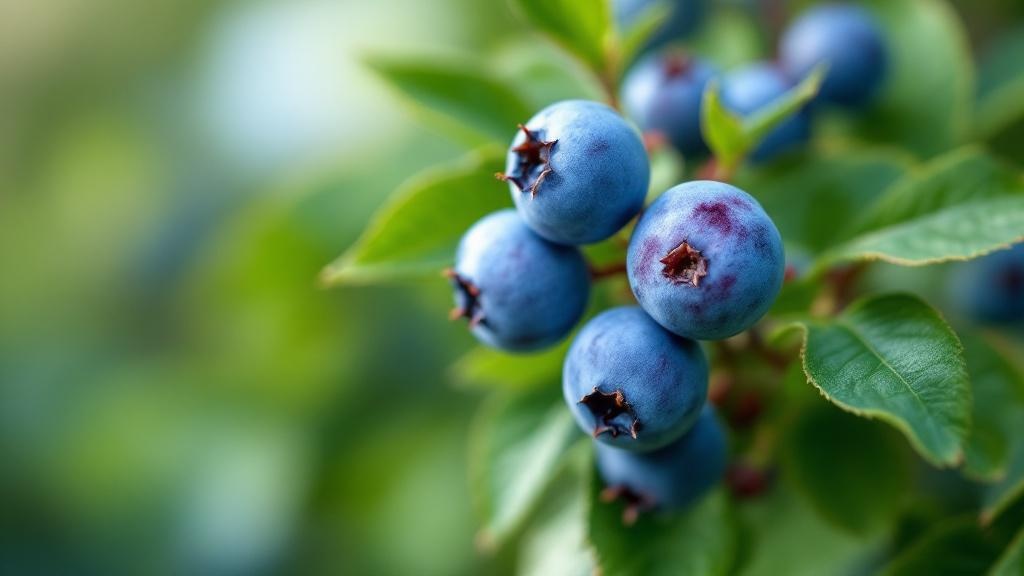
Watering Your Blueberry Plant
Blueberries need consistent moisture—aim for 25–50mm of water per week during the growing season (April–September in temperate zones), increasing during hot spells. Use rainwater or distilled water where possible, as hard tap water can raise soil pH over time. Water at the base to keep foliage dry and reduce fungal disease risk. In winter, reduce watering but don't allow the soil to dry out completely.
Light Requirements for Blueberries
Full sun (minimum 6 hours daily) is essential for strong growth and maximum fruit production. While blueberries tolerate part-shade, fruit yield and sweetness decline significantly with less light. Position plants away from tall trees or buildings that cast afternoon shade. In very hot regions (above 28°C regularly), light afternoon shade in July–August can prevent heat stress.
Soil & Repotting Blueberries
Blueberries are ericaceous plants requiring acidic, well-draining soil (pH 4.5–5.5). Use dedicated ericaceous compost mixed with peat or pine bark for container growing, or amend garden beds heavily with peat and sand. Avoid alkaline or clay-heavy soils—they cause iron chlorosis (yellowing leaves). Repot container plants every 2–3 years in spring, gently loosening the root ball before placing in fresh acidic medium.
Temperature & Humidity for Blueberries
Blueberries are hardy to –15°C and thrive in cool temperate climates (USDA zones 5–8). They require 300–900 'chill hours' (periods below 7°C) in winter to set fruit properly—most temperate regions provide this naturally. High humidity (50–70%) is ideal; in dry summers, mist foliage occasionally or mulch heavily to conserve soil moisture. Avoid planting in frost pockets where spring frosts damage new growth.
Fertilizing Your Blueberry Plant
Apply a balanced, acid-forming fertilizer (e.g., ammonium sulfate) in spring (March–April) and again in early summer (June), following label rates for container or garden plants. Blueberries prefer low-phosphorus feeds—avoid general tomato fertilizers. Use an ericaceous or azalea-specific feed if available locally. Avoid lime-based fertilizers; they raise soil pH and lock up nutrients, causing deficiencies.
Common Problems & Solutions
Iron chlorosis (yellowing leaves with green veins) signals high soil pH—treat with sulfur or chelated iron products and recheck pH. Mummy berry fungus affects flowers and fruit in wet springs; remove affected buds and apply fungicide in early March before bloom. Red spider mites and sawfly larvae can damage foliage in warm summers—spray with horticultural oil in late May or June. Excellent air circulation and removal of fallen leaves reduce disease pressure.
Frequently asked questions
How often should I water blueberries?
Water blueberries deeply 1–2 times weekly (25–50mm per week) during the growing season from April to September. In winter, reduce frequency but keep soil slightly moist. Use rainwater or distilled water to avoid raising soil pH with hard tap water.
What soil pH do blueberries need?
Blueberries require acidic soil with a pH of 4.5–5.5. Use ericaceous (acidic) compost mixed with peat or pine bark. If your garden soil is neutral or alkaline, grow blueberries in containers filled with acidic medium rather than amending the whole bed.
Why are my blueberry leaves turning yellow?
Yellow leaves with green veins (iron chlorosis) indicate soil pH is too high. Lower pH by applying sulfur powder or chelated iron sprays. Retest soil pH and ensure you're watering with rainwater, not alkaline tap water.
When do blueberries fruit and how do I increase yield?
Blueberries fruit from July to September in temperate zones. Maximum fruit production requires full sun (6+ hours daily), acidic soil, consistent watering, and light pruning to remove old wood each spring. Planting at least two different varieties nearby improves cross-pollination and berry set.
Do blueberries need pruning?
Light pruning in late winter (February–March) improves air circulation and fruit quality. Remove dead, diseased, or crossing canes, and thin out very old stems (over 6–8 years). Avoid heavy pruning—it reduces the current season's crop but promotes long-term plant health.
🩺 Common diseases and pests
These problems commonly affect this plant. Click any to see full symptom descriptions, organic and chemical treatment, and prevention.