Rhododendron
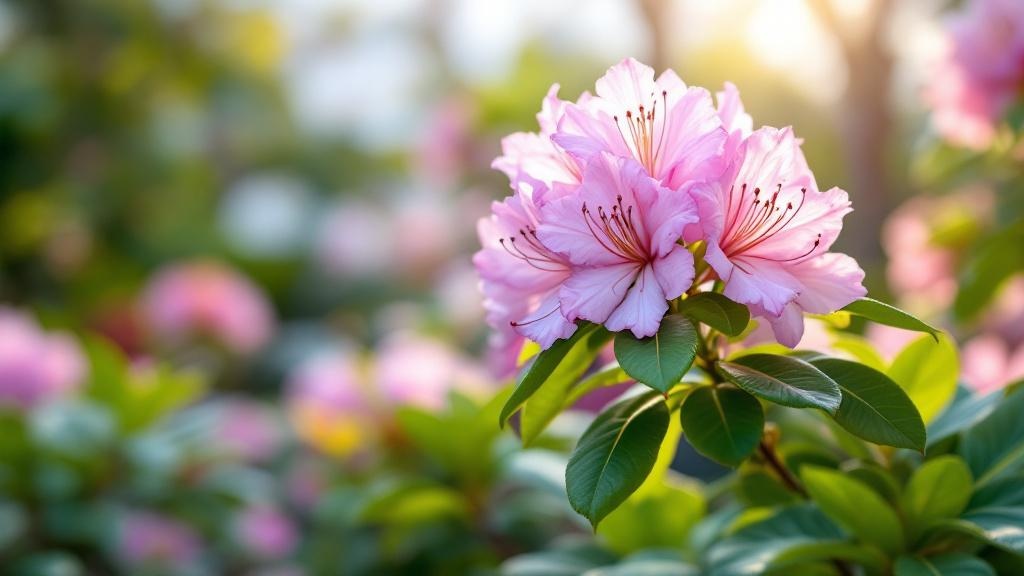
Rhododendrons are prized for their dramatic spring flowers in shades of pink, purple, red, and white. In temperate climates across Central Europe and the northern US, they're an outdoor staple—but their reputation for fussiness is often undeserved. The most common question gardeners ask is how to keep their rhododendrons healthy and blooming year after year, which really comes down to soil chemistry and smart watering.
Watering Your Rhododendron
Rhododendrons need consistently moist but well-draining soil—think of a wrung-out sponge. During the growing season (April to September in temperate zones), water deeply every 7-10 days if rainfall is scarce; in dry spells, increase to twice weekly. In autumn and winter, reduce frequency but don't let the rootball dry out completely, as evergreen varieties lose moisture year-round. Use rainwater or collected water if possible, since many tap waters are too alkaline for their acidic soil preference.
Light Requirements for Rhododendrons
Rhododendrons thrive in dappled or filtered sunlight—ideally 2-4 hours of morning sun with afternoon shade, especially in hot climates. Too much direct sun, particularly the harsh afternoon rays of summer, can scorch leaves and reduce flowering. In regions with cooler summers (UK, northern Germany), they tolerate more sun. Plant under deciduous trees where light filters through bare winter branches, or use shade cloth in your hottest months (July-August).
Soil & Repotting Rhododendrons
This is non-negotiable: rhododendrons demand acidic soil with a pH of 4.5-6.0. If your garden soil is neutral or alkaline, amend generously with peat moss, pine bark, or composted oak leaves when planting. Repot container specimens every 2-3 years in spring using ericaceous (acid) compost. Ensure excellent drainage by adding grit or perlite to the mix—they hate waterlogging but also won't tolerate drying out.
Temperature & Humidity
Most hardy hybrids tolerate USDA zones 5-8 (-25°C to -5°C winter lows). In late November, apply a thick mulch (7-10 cm) of pine bark or shredded leaves to insulate roots and protect against frost heave. Rhododendrons appreciate moderate humidity; in very dry indoor air, mist foliage weekly or stand pots on wet pebbles. Avoid planting in windswept sites, where winter winds desiccate evergreen leaves.
Fertilizing Rhododendrons
Feed lightly with a balanced, acidifying fertilizer (such as a product for azaleas or ericaceous plants) in late March or April as new growth emerges. A second light application in early June supports flower bud formation. Do not fertilize after August, as this can stimulate tender growth vulnerable to winter frost. Overfertilizing promotes leaf growth at the expense of flowers and can damage the roots.
Common Problems & Solutions
Yellowing leaves often signal poor drainage or alkaline soil—check pH and improve aeration. Powdery mildew (white coating on leaves) appears in warm, humid summers; remove affected growth and improve air circulation. Rhododendron bugs and spider mites can be issues in late spring and summer; inspect undersides of leaves and treat with horticultural soap if needed. Root rot from waterlogging is serious; prevent by ensuring 2-3 cm of mulch and never planting in clay-heavy soil.
Frequently asked questions
How often should I water my rhododendron?
Water deeply every 7-10 days during the growing season (April-September) if rainfall is light; in dry spells, increase to twice weekly. Soil should feel moist but not soggy. In autumn and winter, water less frequently but ensure the rootball never completely dries out.
Why are my rhododendron leaves turning yellow?
Yellow leaves usually indicate either poor drainage, alkaline soil, or both. Test your soil pH—it should be 4.5-6.0 for rhododendrons. If pH is too high, amend with peat or sulfur; if drainage is poor, add grit and mulch. Overwatering can also cause yellowing; let soil dry slightly between waterings.
When do rhododendrons bloom and how long do flowers last?
Most hardy hybrids bloom in April-May in temperate zones, with flowers lasting 2-4 weeks depending on variety and weather. Cooler springs extend the display; sudden warmth or frost can shorten it. Deadhead spent flowers just below the bloom to encourage next year's buds without wasting energy on seed production.
Can I grow rhododendrons in pots?
Yes, rhododendrons grow well in containers using ericaceous compost and pots with good drainage holes. Water more frequently than in-ground plants, as pots dry faster. Repot every 2-3 years in spring, and in winter (November-February), move pots to a sheltered spot or wrap them with horticultural fleece to protect roots from hard frost.
Do rhododendrons need pruning, and when should I do it?
Light pruning after flowering (May-June) keeps plants compact and encourages branching; remove dead wood and crossing stems. Avoid heavy pruning, as rhododendrons regenerate slowly. If you must rejuvenate an old shrub, spread cuts over 2-3 years rather than cutting hard all at once; cut just above leaf clusters or dormant buds.
🩺 Common diseases and pests
These problems commonly affect this plant. Click any to see full symptom descriptions, organic and chemical treatment, and prevention.