Bonsai Ficus
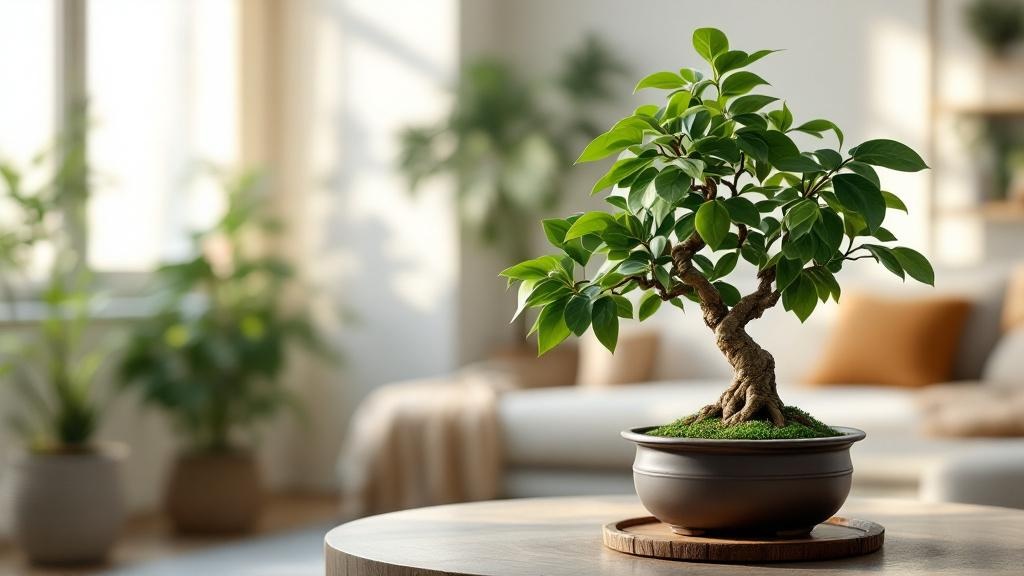
The Bonsai Ficus is one of the most popular choices for indoor bonsai enthusiasts, and for good reason. This tropical fig adapts remarkably well to home conditions, tolerating lower light and occasional watering mistakes better than most bonsai species. The question most new owners ask is simple: why are my Bonsai Ficus leaves dropping? Understanding its need for consistent conditions is the key to keeping this miniature tree thriving for decades.
Watering Your Bonsai Ficus Correctly
Water thoroughly when the top 1-2 centimetres of soil feel dry, typically every 7-10 days in summer and every 10-14 days in winter. Use room-temperature water and ensure excess drains freely from the pot. In centrally heated homes during winter, the soil dries faster than expected, so check moisture levels twice weekly. Misting the foliage once or twice weekly helps maintain humidity without waterlogging the roots.
Light Requirements for Healthy Growth
Place your Bonsai Ficus near an east or west-facing window where it receives bright indirect light for at least 4-6 hours daily. In Northern European or Northern US homes, supplementing with a grow light from November through February prevents leggy growth and leaf drop. Avoid direct summer afternoon sun, which can scorch the leaves, but morning sun is beneficial and encourages compact growth.
Soil and Repotting Guidelines
Use a well-draining bonsai soil mix containing akadama, pumice, and fine bark in roughly equal parts. Repot every 2-3 years in early April, just as new growth begins, trimming up to one-third of the root mass. Choose a pot only slightly larger than the current one to maintain the bonsai proportions. After repotting, keep the tree in bright shade for two weeks to reduce transplant stress.
Temperature and Humidity Needs
Bonsai Ficus thrives at typical room temperatures between 15-24°C but suffers below 10°C. Keep it away from cold windowpanes in winter and radiators that create dry heat pockets. Aim for 50-60% humidity by using a pebble tray filled with water beneath the pot or grouping plants together. Sudden temperature swings, common when opening windows in early spring, often trigger leaf drop.
Fertilizing for Strong Growth
Feed every two weeks from April through September with a balanced liquid fertilizer diluted to half strength. In October, switch to a low-nitrogen fertilizer monthly to harden growth before winter dormancy. Pause feeding entirely from December through February when growth naturally slows. Over-fertilizing causes salt buildup and brown leaf edges, so flush the soil with plain water every few months.
Common Problems and Solutions
Leaf drop is the most frequent issue, usually caused by changes in location, drafts, or inconsistent watering. Scale insects and spider mites are common pests in dry indoor air; treat scale with neem oil applied in early morning and spider mites by increasing humidity and wiping leaves with a damp cloth. Fungal root rot occurs in waterlogged soil, showing as yellowing leaves and a musty smell; repot immediately into fresh dry mix, trimming affected roots.
Frequently asked questions
How often should I water a Bonsai Ficus?
Water every 7-10 days when the top centimetre of soil is dry. In winter with central heating, check twice weekly as indoor air dries the soil faster. Always water thoroughly until it drains from the bottom, then empty the saucer.
Why are my Bonsai Ficus leaves turning yellow and falling off?
Yellow dropping leaves usually indicate overwatering, underwatering, or a sudden environmental change. Check whether the soil is soggy or bone dry and adjust accordingly. Moving the tree to a new spot or exposing it to cold drafts also triggers this stress response.
Is Bonsai Ficus toxic to cats?
Yes, Bonsai Ficus is toxic to cats and dogs. The milky sap contains compounds that cause oral irritation, drooling, and vomiting if ingested. Keep the tree on a high shelf or in a room pets cannot access.
Can Bonsai Ficus live outdoors in summer?
Yes, it benefits from outdoor time from late May through early September in temperate climates. Place it in bright shade, protected from midday sun and wind. Bring it back indoors when nighttime temperatures consistently drop below 12°C.
How do I make my Bonsai Ficus grow aerial roots?
Aerial roots form in high humidity above 80%, which is difficult indoors. Wrapping sphagnum moss around branches and misting daily can encourage them. Many growers use a humidity tent or terrarium setup during summer months to achieve this tropical look.