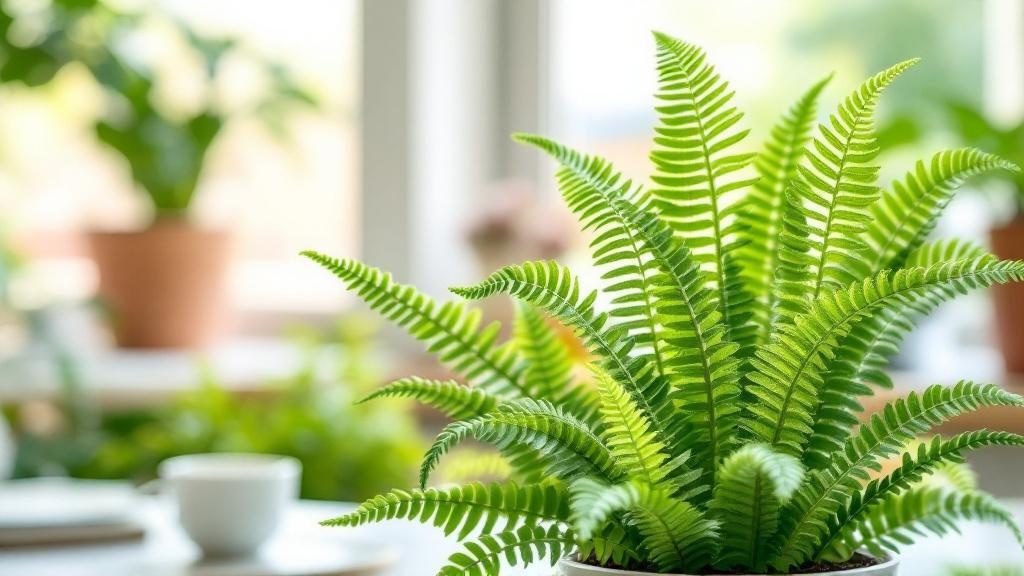
False Goats Beard
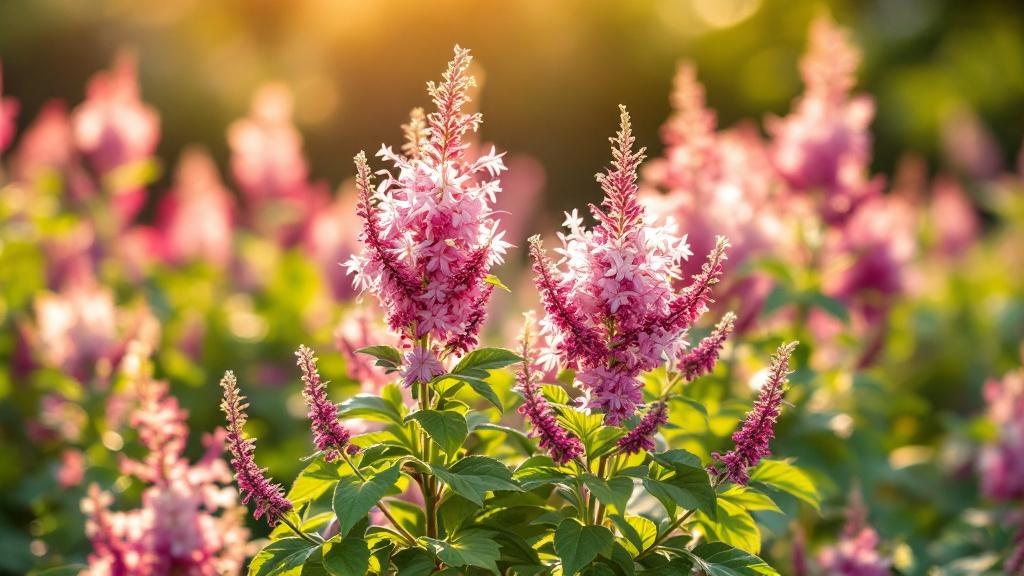
Astilbe, commonly called False Goats Beard, is one of the most rewarding perennials for shady garden spots where other flowering plants struggle. Its arching, feathery flower plumes bring color and texture to woodland gardens, borders, and damp areas from early summer onwards. The most common question gardeners ask is why their Astilbe leaves turn brown and crispy — almost always caused by insufficient moisture or too much direct sun. With the right conditions, this low-maintenance beauty will reward you with years of elegant blooms.
Watering Your Astilbe: Moisture Is Everything
Astilbe requires consistently moist soil and will not tolerate drought. Water deeply 2-3 times per week during dry spells in summer, more often if planted in containers. In temperate climates, natural rainfall usually suffices from October to April, but monitor plants during dry springs. Mulching around the base in late March helps retain essential moisture through the growing season.
Light Requirements: Embracing the Shade
Astilbe performs best in partial shade, receiving 3-4 hours of dappled or morning sunlight. In cooler northern regions (USDA zones 5-6), plants tolerate more sun if kept consistently moist. Full afternoon sun, especially in July and August, causes leaf scorch and faded flowers. Plant beneath deciduous trees or on the north side of buildings for ideal conditions.
Soil and Repotting: Creating Woodland Conditions
Plant Astilbe in rich, humus-heavy soil amended with well-rotted compost or leaf mould. The soil must retain moisture but not become waterlogged. Divide established clumps every 3-4 years in early September or late March to maintain vigor. When dividing, replant crowns at the same depth and water thoroughly to settle roots.
Temperature and Humidity: Hardy and Adaptable
Astilbe is exceptionally cold-hardy, surviving winters down to minus 30°C without protection in zones 5-8. Plants benefit from autumn mulching with bark chips or straw after the first frost in late October. They prefer moderate humidity and struggle in hot, dry climates. In heated indoor environments, Astilbe rarely thrives as a houseplant.
Fertilizing for Abundant Blooms
Apply a balanced slow-release fertilizer (such as 10-10-10) in early April as new growth emerges. A second light feeding in late May supports flower development. Avoid high-nitrogen fertilizers which promote foliage at the expense of blooms. Top-dressing with compost each spring provides sufficient nutrients for established plants.
Common Problems: Pests, Diseases, and Fixes
Powdery mildew appears as white patches on leaves during humid summers — improve air circulation and avoid overhead watering. Vine weevil larvae can damage roots, causing sudden wilting; check for C-shaped grubs in the soil and apply nematode treatments in September. Brown, crispy leaf edges indicate drought stress — increase watering immediately and add mulch to conserve moisture.
Frequently asked questions
How often should I water Astilbe?
Water Astilbe 2-3 times per week during dry periods to keep soil consistently moist. This plant cannot tolerate drought and will show stress within days of drying out. During rainy spells, natural precipitation is usually sufficient.
Why are my Astilbe leaves turning brown?
Brown, crispy Astilbe leaves are caused by drought stress or too much direct sunlight. Move container plants to shadier spots and increase watering frequency. Adding a 5-7cm layer of mulch helps retain soil moisture.
When does Astilbe bloom?
Astilbe blooms from June to August depending on variety, with early types flowering in June and late varieties extending into September. Flowers last 2-3 weeks on the plant and the dried plumes remain attractive through autumn and winter.
Can Astilbe grow in full shade?
Yes, Astilbe grows well in full shade but produces fewer flowers than in partial shade. For best blooming, provide 2-4 hours of filtered morning light. Deep shade results in healthy foliage but sparse flower plumes.
Is Astilbe toxic to cats?
No, Astilbe is completely non-toxic to cats, dogs, and horses. This makes it an excellent choice for pet-friendly gardens. All parts of the plant are safe, though it has no nutritional value for animals.