Bowles Golden Sedge
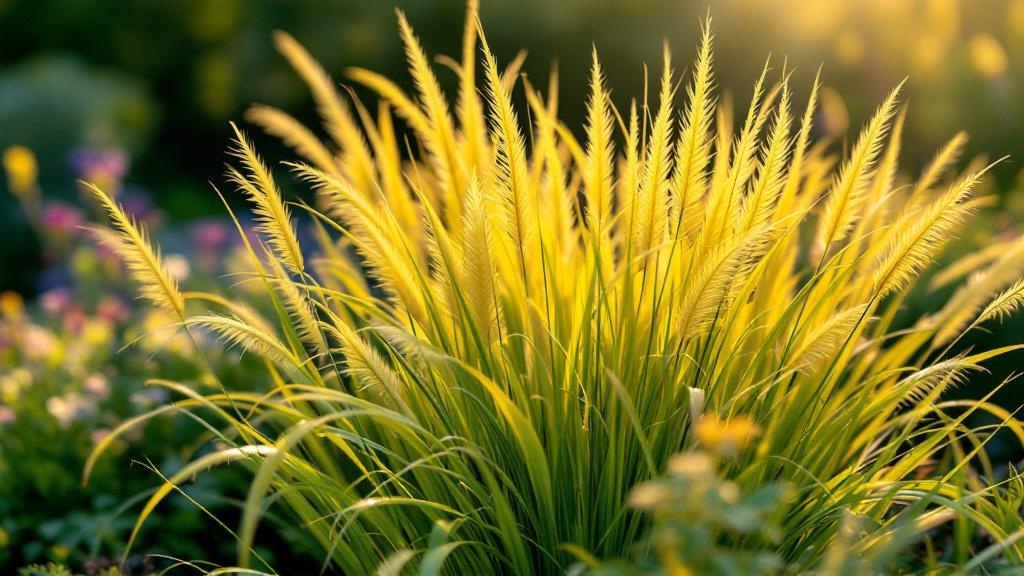
Bowles Golden Sedge is one of the most eye-catching ornamental grasses for damp garden spots, with its arching bright golden-yellow leaves edged in green. The most common question gardeners ask is whether this moisture-loving sedge can survive in regular garden soil. The answer lies in understanding its origins in European wetlands. Once you nail the watering, this hardy perennial rewards you with luminous color from early spring through autumn, brightening shady corners where few golden plants thrive.
Watering Your Bowles Golden Sedge
This sedge naturally grows in marshes and pond margins, so consistent moisture is essential. Water deeply 2-3 times per week during dry summer spells, and never let the soil dry out completely. In winter, rainfall typically provides enough moisture, but check container-grown plants during dry cold spells. Ideal placement is near ponds, streams, or in naturally damp borders where you won't need to water as frequently.
Light Requirements for Golden Color
For the brightest golden foliage, plant in partial shade with 3-4 hours of morning sun. Full sun is tolerable only if the roots stay constantly wet, otherwise leaf tips will scorch by July. In deeper shade, the leaves remain more chartreuse than true gold. East-facing borders or the north side of a pond are ideal locations in temperate gardens.
Soil and Repotting Guidelines
Plant in rich, humus-heavy soil that retains moisture well. Mix in generous amounts of well-rotted compost or leaf mould before planting. Repot container specimens every 2-3 years in March, using a loam-based compost mixed with extra organic matter. For pond margins, plant in aquatic baskets with heavy loam, positioned so the crown sits just above water level.
Temperature and Humidity Preferences
Bowles Golden Sedge is fully hardy throughout temperate regions, tolerating winter temperatures down to minus 20 Celsius without protection. It thrives in the naturally humid conditions of UK, Central European, and Northern US gardens. Cut back old foliage in late February or early March before new growth emerges. No winter protection needed for established garden plants.
Fertilizing for Lush Growth
Apply a balanced slow-release fertilizer in April as new growth begins. A single application of granular fertilizer (10-10-10) at 30 grams per plant is sufficient for the season. Alternatively, mulch annually with 5cm of well-rotted garden compost in early spring. Avoid high-nitrogen feeds in late summer, as soft growth is more vulnerable to winter damage.
Common Problems and Solutions
Rust fungus can appear as orange-brown pustules on leaves during humid summers; remove affected foliage and improve air circulation. Aphids occasionally colonize new spring growth in May, treat with a strong water jet or insecticidal soap. Brown leaf tips usually indicate insufficient moisture or too much direct afternoon sun in summer, so increase watering or relocate to a shadier spot. Slugs and snails may target young shoots in wet spring weather.
Frequently asked questions
How often should I water Bowles Golden Sedge?
Water 2-3 times weekly during dry periods to keep soil consistently moist. This sedge naturally grows in wetlands and cannot tolerate drought. Reduce watering only in winter when rainfall is typically sufficient.
Why are my Bowles Golden Sedge leaves turning brown?
Brown leaf tips indicate the plant is too dry or receiving too much hot afternoon sun. Increase watering frequency and consider moving container plants to a shadier location. Scorching is most common during July and August heat waves.
Can Bowles Golden Sedge grow in standing water?
Yes, it thrives with its roots in shallow water up to 5cm deep. Plant it at pond margins with the crown just above water level. This makes it perfect for bog gardens, rain gardens, and stream edges.
When should I cut back Bowles Golden Sedge?
Cut back all old foliage in late February or early March before new growth appears. Use shears to trim the entire plant to about 10cm from the ground. Fresh golden leaves will emerge within 3-4 weeks.
Is Bowles Golden Sedge toxic to cats?
No, Bowles Golden Sedge is not toxic to cats or dogs. Carex species are generally considered safe around pets. However, ingesting large amounts of any plant material may cause mild stomach upset.