Spotted Dead Nettle
Spotted Dead Nettle is one of the most reliable groundcovers for shady areas where grass refuses to grow. Gardeners searching for this plant typically ask one question: how do I keep it thriving without it becoming invasive? Native to Europe and Western Asia, Lamium maculatum offers beautiful variegated leaves and charming hooded flowers from late April through June, brightening up those tricky north-facing borders and woodland edges.
Watering Your Spotted Dead Nettle
Water newly planted Lamium weekly until established, typically 4-6 weeks. Once settled, this groundcover is moderately drought-tolerant but performs best with consistent moisture. During hot, dry spells in July and August, water deeply every 7-10 days. Reduce watering significantly from November through February when growth slows.
Light Requirements for Lamium Maculatum
Spotted Dead Nettle thrives in partial to full shade, making it ideal for north-facing gardens and beneath deciduous trees. It tolerates morning sun but scorches in hot afternoon light, especially during June through August. The silver leaf markings actually become more pronounced in brighter shade conditions. Avoid planting in full sun locations.
Soil and Repotting Spotted Dead Nettle
Plant in humus-rich, well-draining soil with a slightly acidic to neutral pH of 6.0-7.0. Amend heavy clay soils with compost before planting in spring (late March to April) or early autumn (September). For container growing, repot every 2-3 years in spring using a quality multipurpose compost mixed with perlite for drainage.
Temperature and Humidity Needs
Spotted Dead Nettle is exceptionally cold-hardy, surviving temperatures down to minus 30 degrees Celsius (USDA zones 3-8). It requires no winter protection in temperate climates and remains semi-evergreen in milder winters. Average household or outdoor humidity suits it perfectly. Hot, humid conditions above 30C can stress the plant and promote fungal issues.
Fertilizing Lamium Maculatum
Feed sparingly, as over-fertilizing promotes leggy, weak growth. Apply a balanced slow-release granular fertilizer in early April when new growth appears. A light top-dressing of compost in autumn provides sufficient nutrients for established plants. Container specimens benefit from half-strength liquid feed monthly from May through August.
Common Problems and Solutions
Slugs and snails are the primary pests, especially in wet springs. Use organic slug pellets or beer traps starting in late March. Powdery mildew can appear during humid summers if air circulation is poor. Thin overcrowded patches and avoid overhead watering. Crown rot occurs in waterlogged soil. Improve drainage or relocate plants to raised beds if your soil stays soggy.
Frequently asked questions
How often should I water Spotted Dead Nettle?
Water established Spotted Dead Nettle every 7-10 days during dry periods in summer. New plantings need weekly watering for the first 4-6 weeks. In winter, natural rainfall is usually sufficient in temperate climates.
Why are my Spotted Dead Nettle leaves turning yellow?
Yellow leaves typically indicate overwatering or poor drainage causing root stress. Check that soil is not waterlogged and reduce watering frequency. Less commonly, yellowing can signal nutrient deficiency in very poor soils, which a spring feed will correct.
When does Spotted Dead Nettle bloom?
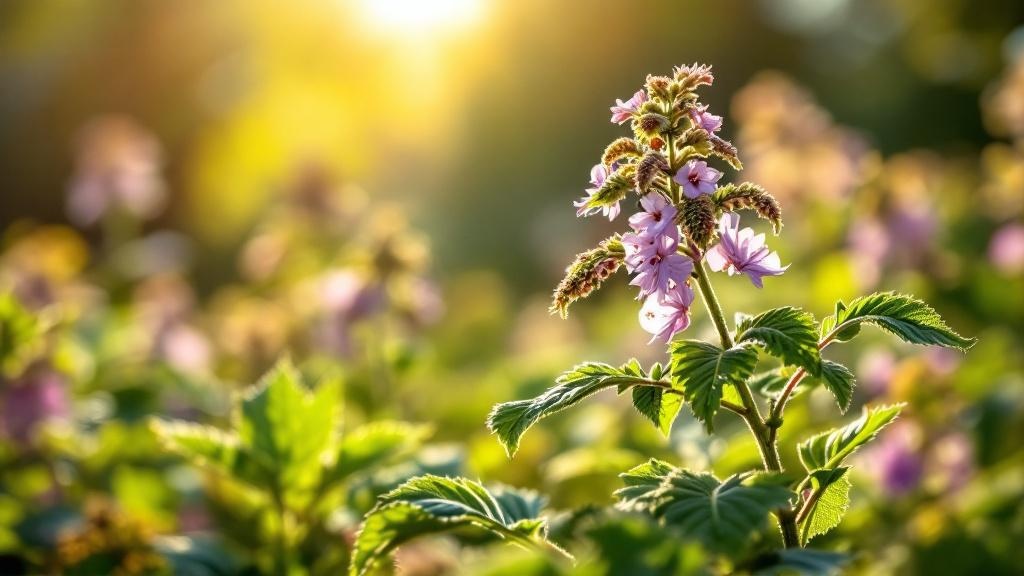
Spotted Dead Nettle blooms from late April through June in temperate climates, producing small hooded flowers in pink, purple, or white depending on the variety. Deadheading spent blooms can encourage a lighter second flush in early autumn.
Is Spotted Dead Nettle invasive?
Spotted Dead Nettle spreads readily but is not considered truly invasive like its cousin yellow archangel. It spreads by stolons and can be easily controlled by pulling unwanted growth in spring or installing root barriers. Most gardeners find it well-behaved in shady borders.
Is Spotted Dead Nettle toxic to cats?
No, Spotted Dead Nettle is non-toxic to cats, dogs, and humans. Despite its common name referencing nettles, it belongs to the mint family and does not sting or cause irritation. It is a safe choice for gardens with pets.