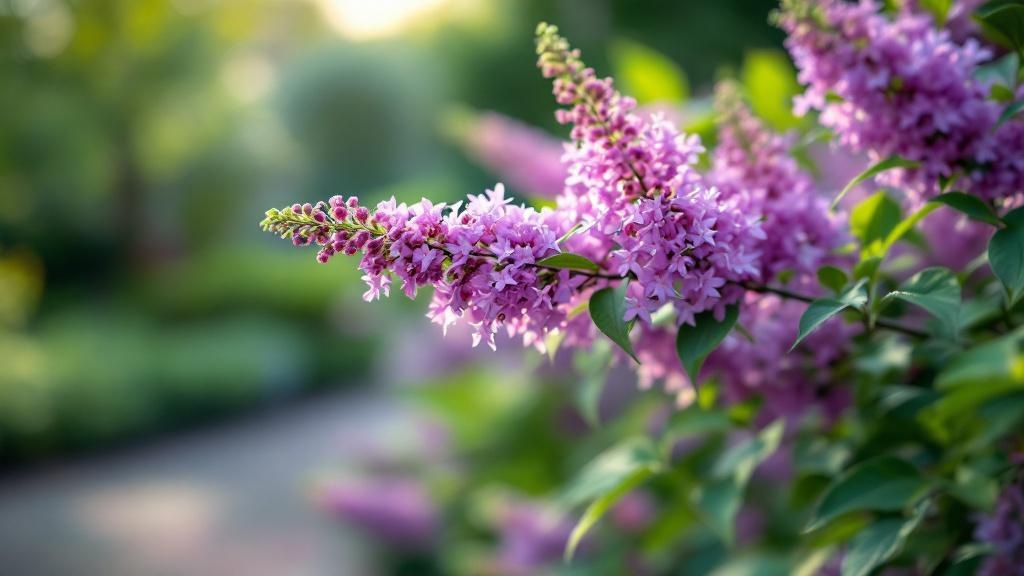
Showy Stonecrop
Showy Stonecrop is one of the most reliable late-season performers in temperate gardens, producing dense clusters of star-shaped pink flowers from August through October when most perennials have faded. The most common question gardeners ask is how much water this succulent actually needs — and the answer might surprise you. Native to China and Korea, this tough perennial has become a cottage garden staple across Central Europe, the UK, and Northern US zones 3-9, earning its place as a pollinator magnet and low-effort showstopper.

Watering Your Showy Stonecrop: Less Is More
Water established plants every 10-14 days during summer, allowing soil to dry completely between waterings. In spring and autumn, rainfall in temperate regions typically provides enough moisture without supplemental watering. Overwatering is the number one killer of Sedum spectabile — soggy roots lead to stem rot faster than drought stress ever will. Container plants need slightly more frequent watering but must have drainage holes.
Light Requirements for Healthy Growth
Showy Stonecrop performs best in full sun, requiring at least 6 hours of direct sunlight daily for compact growth and abundant flowering. Plants grown in partial shade tend to become leggy and flop over by midsummer. In the UK and Northern Europe, choose the sunniest spot available — this plant cannot get too much light in temperate climates. South or west-facing borders and rockeries are ideal locations.
Soil and Repotting for Sedum Spectabile
Plant in well-draining soil amended with coarse sand or grit — heavy clay soils must be improved before planting. A mix of regular garden soil with 30 percent perlite or gravel works well for containers. Repot container specimens every 2-3 years in early April, just as new growth emerges. Division every 3-4 years in spring rejuvenates older clumps that have become woody in the center.
Temperature and Humidity Tolerance
Showy Stonecrop is remarkably cold-hardy, surviving winters down to minus 30°C without protection in USDA zones 3-9. The plant dies back to the ground after the first hard frost, typically in November, and re-emerges in mid-April. High humidity is not a concern outdoors, but avoid overhead watering to prevent fungal issues on the fleshy leaves. No winter protection is needed in Central Europe or the UK.
Fertilizing Schedule for Best Blooms
Apply a light feeding of balanced slow-release fertilizer in late April when new shoots reach 5-10 centimeters tall. Avoid high-nitrogen feeds which cause weak, floppy growth — a fertilizer ratio around 5-10-10 encourages sturdy stems and better flowering. One application per season is sufficient; over-fertilizing reduces drought tolerance and flower production. Container plants benefit from a half-strength liquid feed monthly from May through July.
Common Problems and Solutions
Crown rot occurs in poorly drained soils, especially during wet winters — improve drainage or move plants to raised beds if stems turn mushy at the base. Vine weevil larvae can attack roots in containers from September onwards; check root balls when repotting and use biological nematode treatments in late August. Aphids occasionally cluster on flower buds in July but rarely cause serious damage — a strong water spray or hand removal is usually sufficient.
Frequently asked questions
How often should I water Showy Stonecrop?
Water every 10-14 days during summer, allowing soil to dry completely between waterings. In temperate climates, established garden plants often survive on rainfall alone except during extended dry spells. Always err on the side of underwatering — this succulent stores water in its thick leaves.
Why is my Sedum spectabile flopping over?
Flopping stems are caused by too much shade or excessive nitrogen fertilizer. Move the plant to a sunnier location or stop fertilizing to encourage sturdier growth. You can also use the Chelsea Chop technique — cut stems back by one-third in late May to promote bushier, more compact plants.
When does Showy Stonecrop bloom?
Showy Stonecrop blooms from late August through October in temperate climates, providing crucial late-season nectar for butterflies and bees. Flower heads start green, turn pink as they mature, and age to a rusty bronze that remains attractive through winter. Peak flowering typically occurs in September.
Is Showy Stonecrop toxic to cats?
No, Showy Stonecrop is non-toxic to cats and dogs according to the ASPCA. This makes it a safe choice for gardens where pets roam freely. While not intended for consumption, accidental nibbling should not cause harm to curious animals.
Should I cut back Sedum spectabile in autumn?
Leave the dried flower heads standing through winter — they provide architectural interest and food for birds. Cut stems back to ground level in late February or early March, just before new growth appears. The dried seed heads also help protect the crown from excessive winter moisture.