Butterfly Bush
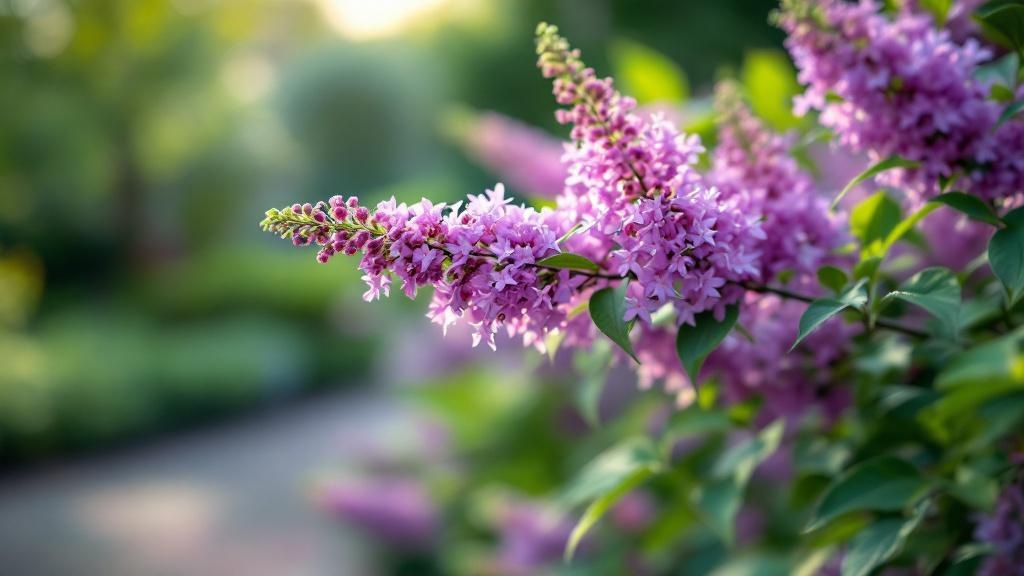
Butterfly Bush earns its name by drawing clouds of butterflies, bees, and hummingbird moths to your garden throughout summer. Native to China but naturalized across temperate regions, this vigorous shrub produces arching panicles of fragrant purple, pink, white, or blue flowers on new wood each year. The most common question gardeners ask is when and how hard to prune it — and getting this right is the key to abundant blooms and a tidy habit.
Watering Your Butterfly Bush
Water newly planted Butterfly Bushes deeply once per week during their first growing season to establish strong roots. Once established, they are remarkably drought-tolerant and typically only need supplemental water during prolonged dry spells in July and August. Avoid overwatering, as soggy soil promotes root rot. In most temperate climates, natural rainfall is sufficient for mature plants.
Light Requirements for Abundant Blooms
Butterfly Bush demands full sun to flower prolifically — aim for at least 6 hours of direct sunlight daily. Plants grown in partial shade become leggy, produce fewer flowers, and attract fewer pollinators. When choosing a planting spot, select a south or west-facing location sheltered from harsh winter winds. Morning sun helps dry dew quickly, reducing fungal disease risk.
Soil and Repotting Needs
This adaptable shrub tolerates a wide range of soils but performs best in moderately fertile, well-draining ground. Avoid heavy clay that holds water; if your soil is dense, amend the planting hole with grit or compost to improve drainage. Butterfly Bush rarely needs repotting when grown in containers, but refresh the top layer of compost each spring. In-ground plants require no special soil amendments once established.
Temperature and Humidity Tolerance
Butterfly Bush is hardy through USDA zones 5 to 9, tolerating winter lows down to minus 20 degrees Celsius. In colder areas of Northern Europe and the Northern US, stems may die back to ground level during harsh winters but regrow vigorously in spring. Average humidity suits this shrub perfectly; it dislikes wet, stagnant air. Apply a layer of mulch in late November to protect roots in the coldest zones.
Fertilizing for Healthy Growth
Butterfly Bush is not a heavy feeder and excessive fertilizer produces leafy growth at the expense of flowers. Apply a balanced slow-release fertilizer (such as 10-10-10) once in early April as new growth emerges. On poor soils, a light top-dressing of compost in spring provides sufficient nutrition. Avoid fertilizing after July, as late growth is vulnerable to frost damage.
Common Problems and How to Fix Them
Spider mites can appear during hot, dry summers — look for fine webbing and stippled leaves, and treat with a strong water spray or insecticidal soap. Powdery mildew sometimes affects plants in humid conditions or crowded plantings; improve air circulation by thinning stems. Root rot occurs in waterlogged soil, so ensure proper drainage and avoid overwatering. Caterpillars occasionally feed on foliage but rarely cause serious damage.
Frequently asked questions
When should I prune Butterfly Bush in the UK?
Prune Butterfly Bush hard in late March to early April, just as new buds begin to swell. Cut all stems back to 30 to 60 centimeters from ground level to encourage vigorous new growth and abundant summer flowers. Avoid autumn pruning, as this removes frost protection and stimulates tender growth.
Why are my Butterfly Bush leaves turning yellow?
Yellow leaves usually indicate overwatering or poor drainage causing root stress. Check that soil drains freely and reduce watering frequency. Nutrient deficiency is less common but can occur in very poor soils; apply a balanced fertilizer in early spring if yellowing persists.
Is Butterfly Bush invasive in Europe?
Butterfly Bush can self-seed aggressively in some regions, particularly near railways and disturbed ground. Deadhead spent flower spikes before seeds set to prevent unwanted spread. Consider sterile cultivars like Buddleja Lo and Behold series if invasiveness concerns you.
How long does Butterfly Bush bloom?
Butterfly Bush typically blooms from mid-July through September, providing eight to ten weeks of continuous color. Deadheading spent flowers encourages repeat blooming and extends the display into early autumn. Bloom time varies slightly depending on pruning timing and local climate.
Can Butterfly Bush grow in pots?
Yes, Butterfly Bush grows well in large containers of at least 40 liters with drainage holes. Use a well-draining potting mix and water more frequently than in-ground plants, especially during summer heat. Compact cultivars like Buzz series are better suited to container growing than full-sized varieties.