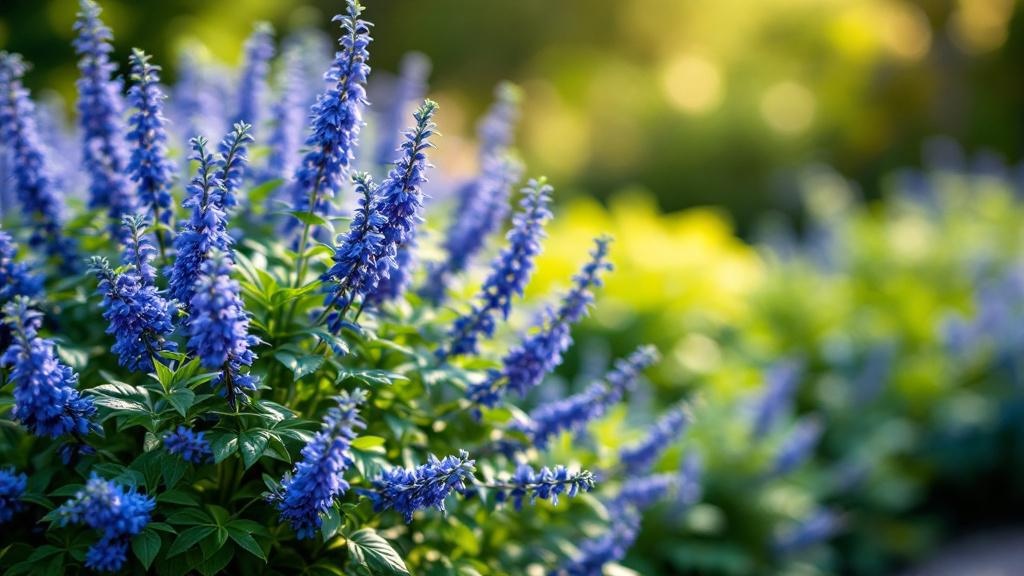
Chervil
Chervil is one of the classic French fines herbes, beloved for its subtle anise flavor that elevates eggs, fish, and spring vegetables. Yet many gardeners struggle with the same question: why does my chervil bolt so fast? The answer lies in understanding this herb's cool-season nature. Unlike basil or rosemary, chervil actually prefers the cooler months and will reward you with lush, flavorful leaves when grown in spring or autumn rather than midsummer.
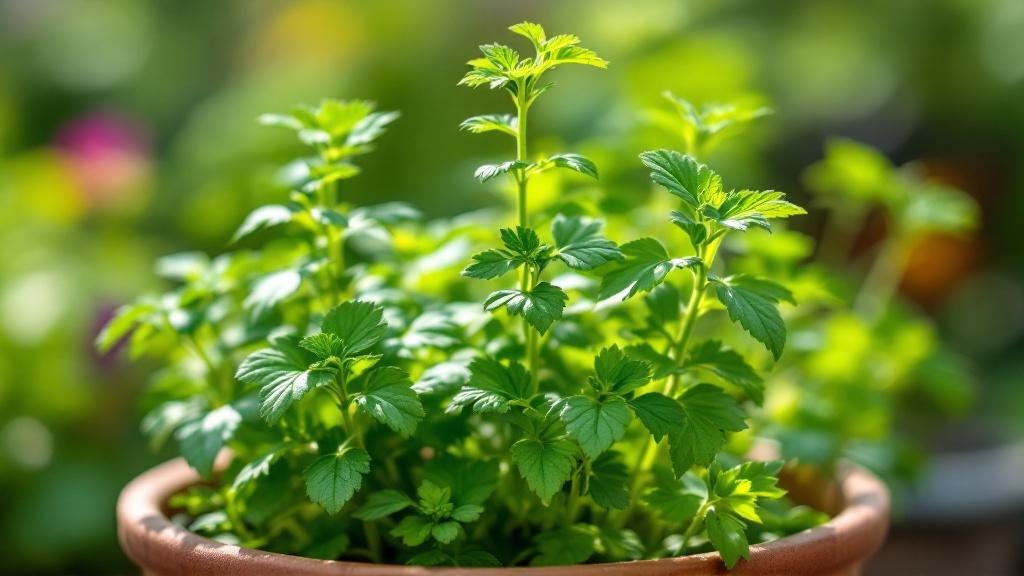
Watering Chervil: Consistent Moisture Is Key
Water chervil every 2-3 days to keep soil consistently moist but not waterlogged. This herb has shallow roots that dry out quickly, especially in containers. Mulch around plants to retain moisture and keep roots cool. Reduce watering slightly in autumn as growth slows, but never let the soil dry out completely.
Light Requirements: Embrace the Shade
Chervil thrives in partial shade, making it perfect for north-facing windowsills or spots beneath taller plants. In temperate climates, provide morning sun with afternoon shade from April onwards. Too much direct sunlight triggers bolting and turns leaves bitter. In autumn and winter, a bright indoor spot without harsh direct sun works well.
Soil and Repotting for Healthy Growth
Plant chervil in rich, humus-heavy soil with good drainage. A mix of quality potting compost with added perlite works well for containers. Chervil has a taproot and resents transplanting, so sow seeds directly where plants will grow. For pots, choose containers at least 15cm deep and avoid disturbing roots once established.
Temperature and Humidity Preferences
Chervil performs best between 10-18°C and actually tolerates light frost down to minus 5°C. In temperate zones, sow outdoors from late February through April, then again from late August through September for autumn harvest. Summer heat above 22°C causes rapid bolting. Maintain moderate humidity around 50-60% for indoor plants.
Fertilizing Your Chervil Plants
Feed chervil lightly with a balanced liquid fertilizer diluted to half strength every 3-4 weeks during active growth. Over-fertilizing produces lush but less flavorful leaves. Work compost into soil before planting for slow-release nutrition. Stop fertilizing once flower buds appear, as the plant is completing its life cycle.
Common Problems and Solutions
Aphids cluster on tender new growth in spring; blast them off with water or apply insecticidal soap. Slugs and snails target young seedlings in damp conditions, especially in March and April; use copper tape or organic slug pellets around containers. Powdery mildew appears in humid, stagnant air; improve ventilation and avoid overhead watering.
Frequently asked questions
Why does my chervil bolt so quickly?
Chervil bolts rapidly when temperatures exceed 22°C or when plants experience drought stress. This cool-season herb is programmed to complete its life cycle before summer heat arrives. Sow in early spring or late summer, provide shade, and keep soil moist to extend your harvest window.
When should I plant chervil in the UK?
Sow chervil outdoors from late February to April for spring harvest, or from late August to September for autumn and winter use. Autumn sowings often perform better because cooling temperatures prevent bolting. Indoor sowings can begin in January on a cool, bright windowsill.
Can chervil grow indoors year round?
Yes, chervil grows well indoors if you provide cool temperatures below 20°C and bright indirect light. A north or east-facing window is ideal. Sow seeds every 3-4 weeks for continuous harvest, as individual plants have a short productive lifespan of about 6-8 weeks before flowering.
Is chervil safe for cats and dogs?
Yes, chervil is non-toxic to cats and dogs. This herb is safe to grow in households with pets. However, discourage pets from grazing on your plants to maintain your harvest and prevent digestive upset from eating large quantities of any plant material.
How do I harvest chervil without killing the plant?
Harvest chervil by snipping outer leaves when plants reach 10-15cm tall, leaving the central growing point intact. Cut stems just above soil level rather than picking individual leaves. Regular harvesting delays flowering, but expect each plant to produce for only 6-8 weeks before bolting.