Rex Begonia Vine
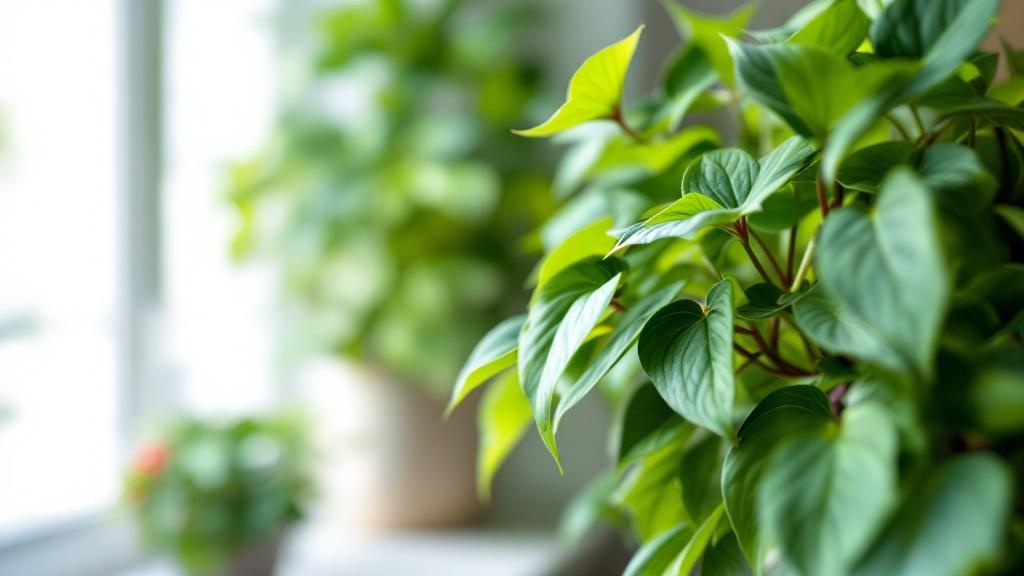
Rex Begonia Vine, scientifically known as Cissus discolor, captivates plant lovers with its dramatic, mottled foliage featuring deep burgundy undersides and silvery-white patterns. This climbing vine is less common than other houseplants, making it a prized addition to collections. The most pressing care question owners ask: how do you keep those stunning leaves healthy without overwatering? Success hinges on understanding its moisture and humidity needs.
Watering Your Rex Begonia Vine
Rex Begonia Vine prefers consistently moist soil but not waterlogged conditions. Water when the top 1 cm of soil feels dry to touch, typically every 7-10 days during growing season (spring and summer). In autumn and winter, reduce frequency to every 10-14 days as growth slows. Use room-temperature, preferably filtered water to prevent leaf spotting from mineral deposits.
Light Requirements
This vine thrives in bright, indirect light but cannot tolerate direct sunlight, which bleaches the delicate foliage. Position it near an east or west-facing window with a sheer curtain, or 1-2 metres from a bright south-facing window. In temperate climates, winter light is often insufficient; if leaves lose color, move the plant 30 cm closer to a light source or consider a grow light during November to February.
Soil and Repotting
Use a peat-based potting mix amended with perlite or bark to improve drainage while retaining moisture. Repot in early spring (March-April) when roots emerge from drainage holes or the plant visibly slows growth. Choose a pot only 1-2 cm larger in diameter to avoid excess soil holding moisture. Fresh substrate also refreshes depleted nutrients.
Temperature and Humidity
Rex Begonia Vine prefers warm, stable conditions between 18-24°C and will suffer if temperatures drop below 15°C. Avoid placing it near cold windows or heating vents, as temperature fluctuations cause leaf drop. High humidity of 50-60% is essential; mist leaves 2-3 times weekly or set the pot on a pebble tray filled with water. Group plants together to create a humid microclimate.
Fertilizing Your Plant
Feed monthly from April through September using a balanced, half-strength houseplant fertilizer (e.g., 10-10-10 NPK). Dilute the recommended dose to 50% strength to avoid salt accumulation in the soil, which damages sensitive foliage. Stop feeding in October and keep the plant on a light rest through winter. Overfertilizing causes leaf burn and reduced color intensity.
Common Problems and Solutions
Yellowing or browning leaf margins indicate low humidity or mineral buildup from tap water; increase misting frequency and switch to distilled water. Spider mites may appear in dry conditions (watch for fine webbing and stippling); spray affected foliage with diluted neem oil or insecticidal soap every 7 days for 3 weeks. Leggy growth with small leaves signals insufficient light; move the plant closer to a window or install a grow light positioned 30 cm above the canopy.
Frequently asked questions
How often should I water Rex Begonia Vine?
Water when the top 1 cm of soil is dry, typically every 7-10 days in spring and summer, and every 10-14 days in autumn and winter. Consistent moisture is more important than frequency; use your finger to check soil before watering.
Why are my Rex Begonia Vine leaves turning yellow?
Yellow leaves usually indicate overwatering, poor drainage, or low humidity. Ensure your pot has drainage holes, use peat-based soil, and increase humidity by misting 2-3 times weekly. If the soil is soggy, repot into fresh mix immediately.
Can Rex Begonia Vine grow in low light?
Rex Begonia Vine cannot thrive in low light; it becomes leggy and loses its striking color. Provide bright, indirect light near an east or west-facing window, or use a grow light for 12 hours daily in winter months.
Is Rex Begonia Vine toxic to cats or dogs?
Yes, it is mildly toxic to cats and dogs because it contains oxalates. Place the plant out of reach of pets, and seek veterinary advice if ingestion occurs.
How do I propagate Rex Begonia Vine?
Take 10-15 cm stem cuttings in spring, remove lower leaves, and place in moist peat-based soil or water. Keep at 18-21°C with high humidity and bright indirect light; roots develop in 3-4 weeks.