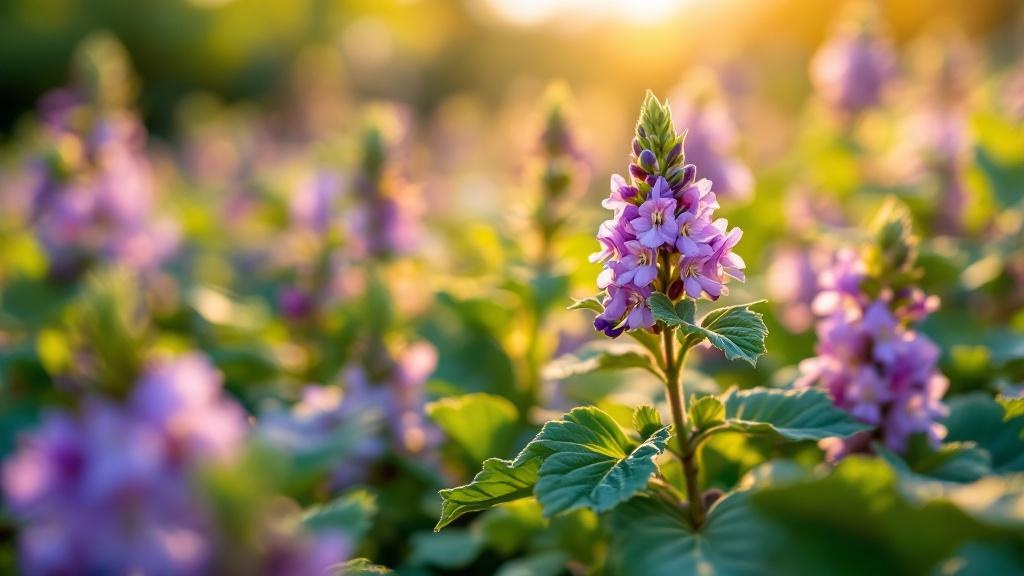
Runner Bean
Runner beans are one of the most rewarding vegetables for temperate gardeners, combining ornamental appeal with impressive productivity. A single plant can yield up to 2kg of pods throughout summer, making them excellent value for garden space. The most common question gardeners ask is how to keep their runner beans flowering and setting pods, since these plants can be frustratingly prone to flower drop during hot, dry spells or when pollination fails.
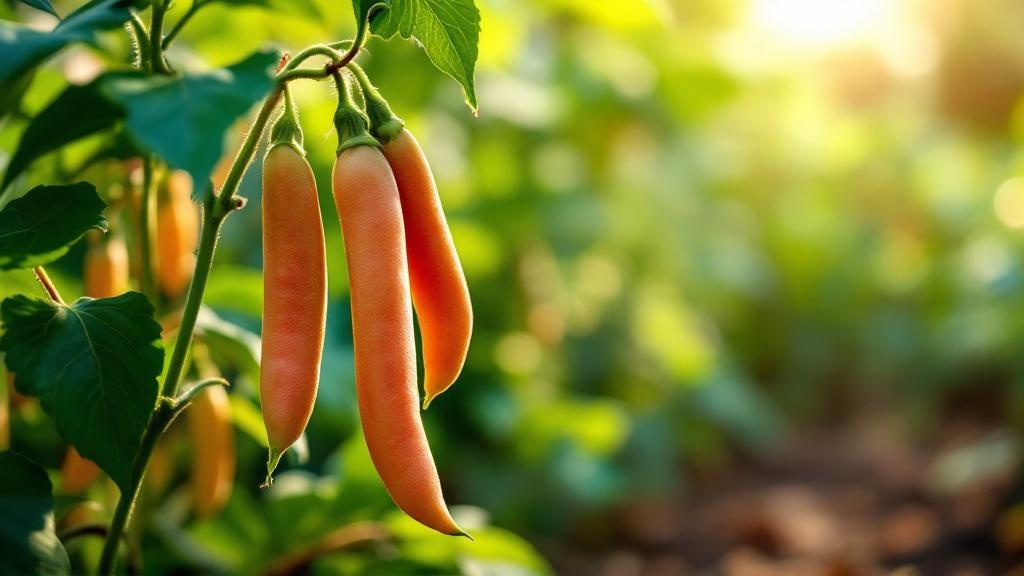
Watering Runner Beans for Maximum Pod Production
Runner beans need consistent moisture, especially once flowering begins in late June. Water deeply every 1-2 days during dry summer spells, aiming for the base of plants rather than foliage. Mulch with 5-8cm of compost or straw in early July to retain soil moisture. Inconsistent watering is the primary cause of flower drop and misshapen pods.
Light Requirements for Healthy Growth
Plant runner beans in full sun with at least 6 hours of direct light daily. In warmer parts of Zone 8, light afternoon shade can actually help prevent flower drop during July heatwaves. Avoid planting against north-facing walls or in the shadow of taller crops. Good air circulation around plants also helps reduce fungal disease pressure.
Soil Preparation and Planting
Dig a trench 30cm deep in late March or early April and fill with compost, well-rotted manure, and kitchen scraps. Cover and let settle for 4-6 weeks before sowing or planting out after last frost, typically mid-May. Runner beans fix nitrogen but still appreciate rich soil for their heavy cropping. Space plants 15-20cm apart along your support structure.
Temperature and Growing Season
Sow indoors from late April at 12-15°C, or direct sow outdoors from mid-May once soil reaches 12°C. Runner beans are frost-tender and growth stalls below 10°C. Harvest season runs July through October, ending with first autumn frosts. Cover young plants with fleece if late frosts threaten after planting out.
Feeding Runner Beans Through the Season
Apply a high-potash liquid feed such as tomato fertilizer every 2 weeks once flowering begins, typically early July. Avoid high-nitrogen feeds after establishment as this promotes leaf growth over flowers. A side-dressing of compost in mid-summer gives an extra boost. Stop feeding by early September as plants naturally wind down.
Common Runner Bean Problems and Solutions
Black bean aphids cluster on shoot tips from June onwards — pinch out affected tips and spray with dilute washing-up liquid solution or introduce ladybirds. Halo blight causes brown spots with yellow halos on leaves during wet summers — remove affected foliage, avoid overhead watering, and rotate crops yearly. Flower drop without pod set usually indicates insufficient water, temperatures above 28°C, or lack of bumblebee pollinators — mist flowers in the morning and ensure consistent watering.
Frequently asked questions
How often should I water runner beans?
Water runner beans every 1-2 days during flowering and pod production, daily during heatwaves above 25°C. The soil should stay consistently moist but not waterlogged. Reduce watering to every 3-4 days during cooler, wetter periods in September.
Why are my runner bean flowers falling off without making pods?
Flower drop is usually caused by dry soil, high temperatures above 28°C, or poor pollination. Water deeply every morning during hot spells and mist flowers to help pollen stick. Planting pollinator-friendly flowers nearby attracts the bumblebees essential for runner bean fertilization.
When should I plant runner beans outside UK?
Plant runner beans outdoors after all frost risk has passed, typically mid to late May in most of the UK. Soil temperature should be at least 12°C for direct sowing. You can start seeds indoors from late April and transplant hardened-off seedlings in early June for an earlier harvest.
Are runner beans toxic to cats and dogs?
Cooked runner beans are safe for cats and dogs in small amounts. However, raw beans contain lectins that can cause digestive upset if eaten in quantity. Keep pets away from raw beans and bean plants to prevent any issues.
How do I get more beans from my runner bean plants?
Pick pods every 2-3 days when they reach 15-20cm and before beans swell visibly inside. Regular harvesting signals the plant to produce more flowers and pods. Stop picking and leave final pods to mature if you want to save seeds for next year's sowing.