Tabasco Pepper
Tabasco peppers are the iconic chili behind the famous hot sauce, and they grow surprisingly well in temperate gardens with the right approach. Home gardeners often wonder whether these tropical natives can survive cooler climates and how to extend their harvest. The good news is that with container growing and proper overwintering techniques, you can enjoy fresh Tabasco peppers for years. These prolific plants produce hundreds of small, upward-pointing fruits that pack 30,000-50,000 Scoville units of heat.
Watering Your Tabasco Pepper Plants
Water deeply every 3-5 days during the growing season, allowing the top 2-3cm of soil to dry between waterings. Increase frequency to every 2-3 days when plants are heavily fruiting in July and August. Reduce watering significantly in autumn once you bring plants indoors, offering water only every 10-14 days during winter dormancy. Inconsistent watering causes blossom end rot and flower drop, so aim for steady moisture without waterlogging.
Light Requirements for Maximum Fruit Production
Tabasco peppers demand full sun with at least 6-8 hours of direct light daily to produce abundant fruit. In the UK and Northern Europe, place them in your sunniest south-facing spot from May through September. Start seeds indoors under grow lights in late February or early March, providing 14-16 hours of artificial light until outdoor temperatures stabilize. Insufficient light results in leggy growth and poor fruit set.
Soil and Repotting for Healthy Roots
Use a well-draining potting mix enriched with compost, aiming for a slightly acidic pH of 6.0-6.5. A 5-10 litre container works well for mature plants, with drainage holes being essential. Repot annually in early spring before the growing season begins, refreshing the top layer of soil even if not moving to a larger pot. Add perlite to improve drainage if your mix retains too much moisture.
Temperature and Humidity Needs
Tabasco peppers thrive between 18-30°C and cannot tolerate any frost. Move seedlings outdoors only after the last frost date, typically late May in Central Europe and Northern US. Bring container plants indoors in late September before night temperatures drop below 10°C. These peppers appreciate moderate humidity of 50-70% and benefit from occasional misting during dry indoor winters.
Fertilizing for Abundant Harvests
Feed every two weeks with a balanced liquid fertilizer (10-10-10) from May through July, then switch to a high-potassium tomato feed once flowering begins. Avoid high-nitrogen fertilizers during fruiting as they promote leaf growth at the expense of peppers. Stop fertilizing entirely by late September to prepare plants for winter dormancy. Resume feeding when new growth appears in spring.
Common Problems and Solutions
Aphids frequently attack young growth in late spring, appearing as clusters on shoot tips and causing curled leaves. Treat with insecticidal soap or a strong water spray before infestations spread. Spider mites become problematic in dry indoor conditions during overwintering, leaving fine webbing and stippled leaves. Blossom end rot, showing as dark sunken patches on fruit bases, indicates calcium deficiency usually caused by irregular watering rather than soil problems.
Frequently asked questions
How often should I water Tabasco pepper plants?
Water Tabasco peppers every 3-5 days during active growth, allowing the soil surface to dry slightly between waterings. Increase frequency during hot weather and heavy fruiting in midsummer. Reduce to every 10-14 days when overwintering indoors.
Why are my Tabasco pepper leaves turning yellow?
Yellow leaves typically indicate overwatering, nitrogen deficiency, or natural leaf drop on lower branches. Check that your pot drains well and soil is not staying soggy. If only lower leaves yellow while new growth looks healthy, this is normal as the plant redirects energy to fruiting.
When do Tabasco peppers turn red?
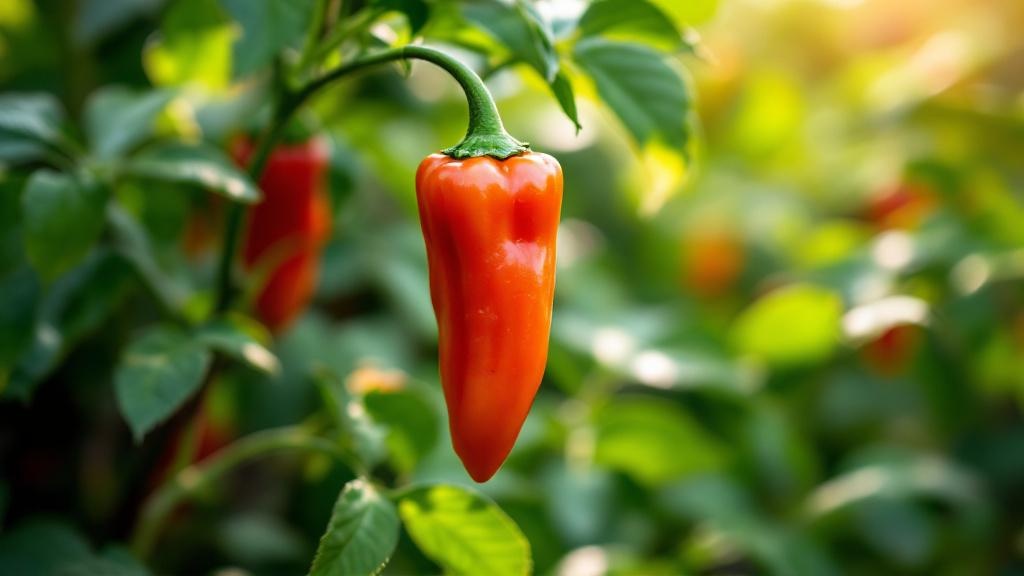
Tabasco peppers take 80-100 days from transplant to reach full red maturity, typically ripening from August through October in temperate climates. Fruits start yellow-green, turn orange, then mature to bright red. Leaving peppers on the plant until fully red produces the hottest, most flavorful harvest.
Can I overwinter Tabasco pepper plants indoors?
Yes, Tabasco peppers are perennials that can live 3-5 years with proper overwintering. Bring plants indoors before temperatures drop below 10°C in late September, prune back by one-third, and place in a cool bright spot. Water sparingly until new growth emerges in spring.
Are Tabasco peppers toxic to cats and dogs?
Yes, Tabasco peppers can harm pets. Capsaicin causes mouth irritation, drooling, vomiting, and digestive upset in cats and dogs. While not typically life-threatening, keep plants out of reach of curious pets and seek veterinary advice if significant quantities are consumed.