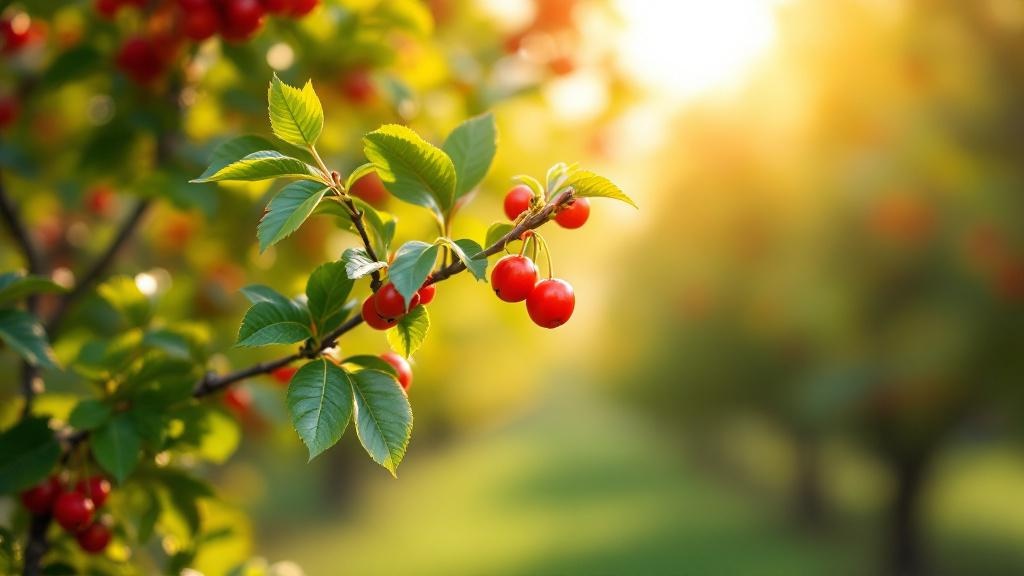
European Yew
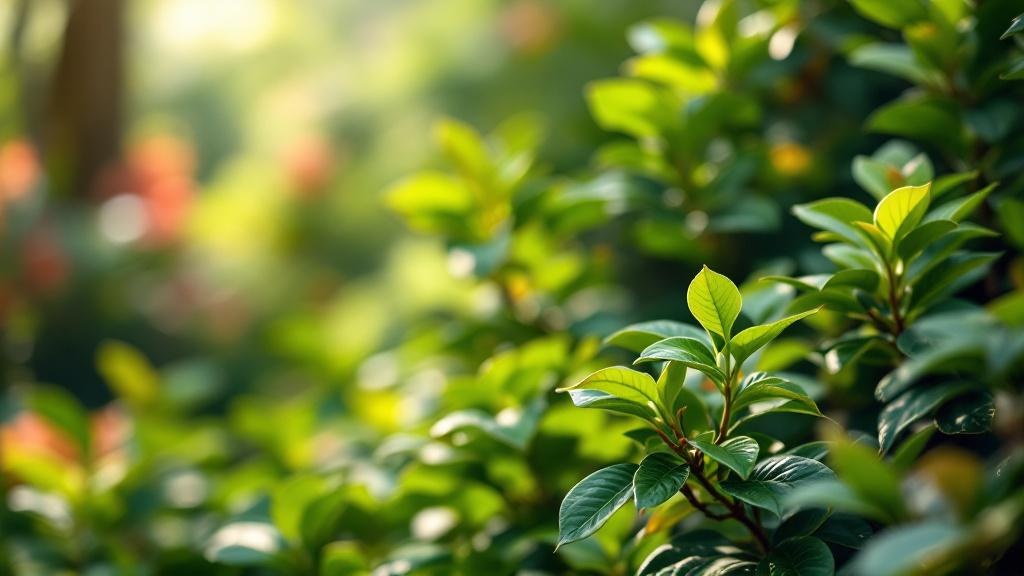
European Yew is one of the most iconic evergreen trees in temperate landscapes, valued for its dense, dark foliage and remarkable longevity. Often searched by gardeners asking whether yew is poisonous or how to prune it properly, this ancient species makes an excellent hedge, specimen tree, or topiary subject. Native to European woodlands, it thrives in conditions from full shade to full sun, making it unusually versatile for garden design.
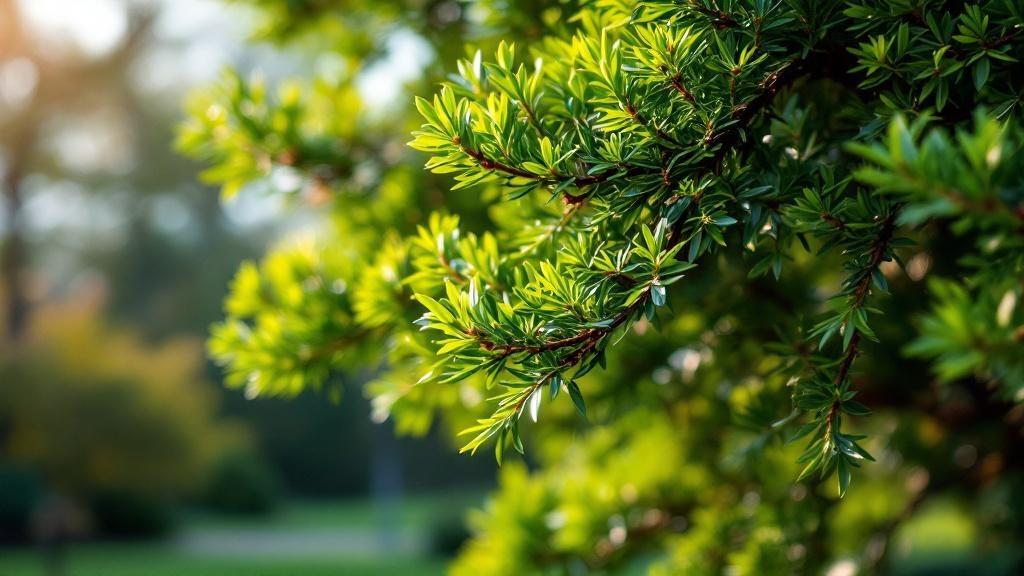
Watering Your European Yew
Newly planted yews need consistent moisture for the first two growing seasons. Water deeply every 7-10 days during dry spells from April through September. Once established, European Yew is remarkably drought-tolerant and typically needs supplemental water only during extended dry periods. Avoid waterlogged soil, as yews are highly susceptible to root rot in poorly drained conditions.
Light Requirements for Taxus Baccata
European Yew is exceptionally shade-tolerant and grows well in conditions from full sun to deep shade. In full sun, growth is denser and more compact, ideal for formal hedging. In heavy shade, expect slower growth and a more open habit. This flexibility makes yew perfect for north-facing borders or under deciduous tree canopies where other evergreens struggle.
Soil and Repotting Needs
Yew thrives in most soil types including chalk, clay, and sandy loams, provided drainage is adequate. For container-grown yews, use a mix of loam-based compost with added grit for drainage. Repot container specimens every 3-4 years in early spring before new growth begins. When planting in the ground, avoid low-lying areas where water collects, as standing water around roots causes rapid decline.
Temperature and Humidity Preferences
European Yew is fully hardy throughout temperate regions and tolerates temperatures down to minus 20 degrees Celsius without protection. It handles cold winters, coastal exposure, and urban pollution with ease. Yew prefers moderate humidity but adapts well to varying conditions. Avoid planting in frost pockets where late spring frosts might damage soft new growth in April and May.
Fertilizing European Yew
Feed established yews once annually in late March or early April with a balanced slow-release fertilizer worked into the soil around the drip line. Yews in hedges benefit from a light application of blood, fish, and bone meal in spring. Container specimens need monthly feeding with diluted liquid fertilizer from April through August. Avoid high-nitrogen feeds in late summer, as soft growth is vulnerable to winter damage.
Common Problems and Solutions
Phytophthora root rot is the most serious threat, causing browning foliage and plant death in waterlogged soils — improve drainage and remove affected plants to prevent spread. Vine weevil larvae can damage roots of container yews, particularly from September onwards — check root balls when repotting and apply nematode biological controls in late summer. Scale insects occasionally appear as brown bumps on stems; treat with horticultural oil spray in May before temperatures exceed 25 degrees Celsius.
Frequently asked questions
Is European Yew toxic to dogs and cats?
Yes, European Yew is extremely toxic to dogs, cats, horses, and humans. All parts except the fleshy red berry coating contain taxine alkaloids that can cause sudden cardiac arrest. Keep pets away from yew hedges and clear all fallen clippings immediately after pruning.
How fast does European Yew grow?
European Yew grows approximately 20-30 centimeters per year under good conditions, making it moderately slow-growing. This steady growth rate makes it ideal for formal hedges that maintain their shape well. With patience, yew eventually reaches 10-20 meters if left unpruned.
When should I prune my yew hedge?
Prune yew hedges once or twice yearly, ideally in late August and optionally again in late June. Unlike most conifers, yew regenerates well from old wood, so even severely overgrown specimens can be hard-pruned in late winter. Avoid pruning during nesting season from March through July if birds are present.
Why are my yew leaves turning brown?
Browning yew foliage typically indicates root problems, most commonly waterlogging or Phytophthora root rot. Check soil drainage immediately and reduce watering if the ground stays wet. Sudden browning can also result from drought stress, especially in newly planted specimens during their first summer.
Can European Yew grow in full shade?
Yes, European Yew grows successfully in full shade, though growth will be slower and more open than in sunnier positions. It is one of the few evergreen trees that thrives beneath deciduous woodland canopy. For dense hedging in shade, allow extra years to achieve the desired thickness.