Cornelian Cherry
Cornelian Cherry is a reliable multi-season performer in temperate gardens, offering delicate yellow flowers in February through early March before most other shrubs wake. Gardeners often ask when to expect fruit, how much water it needs, and whether it requires regular pruning. The good news: this Central European native is exceptionally hardy and forgiving, making it ideal for low-maintenance landscapes where year-round interest matters.
Watering Your Cornelian Cherry
During the first year after planting, water weekly if rainfall is sparse—aim for 2.5 cm of moisture per week through spring and summer. Once established (after year two), Cornelian Cherry is drought-tolerant and rarely needs supplemental watering in temperate climates unless there's a severe dry spell lasting over three weeks. In autumn and winter, no watering is necessary. Overwatering is more harmful than underwatering; if the soil feels soggy, reduce frequency immediately.
Light Requirements for Healthy Growth
Cornelian Cherry flowers most profusely and produces the best fruit in full sun, meaning at least 6 hours of direct sunlight daily. It will tolerate partial shade (3–4 hours of sun) and still flower, but berry yield drops noticeably. Plant in an open spot in your garden rather than under tree canopies or on heavily shaded north-facing walls. Morning sun is especially beneficial for flower production in early spring.
Soil & Repotting Needs
This shrub is remarkably adaptable and thrives in almost any well-draining soil, including poor, sandy, or gravelly earth. It even tolerates slightly alkaline conditions better than many ornamentals. At planting time, work in compost or aged manure if soil is extremely compacted, but Cornelian Cherry does not require annual repotting or feeding. No container cultivation is necessary; plant directly in the ground for best results.
Temperature & Humidity in Temperate Zones
Cornelian Cherry is one of the hardiest ornamental shrubs for USDA zones 4–8 (and equivalent in Central Europe) and survives winter temperatures down to -30°C. It needs a cold period (vernalization) to flower reliably, so mild-winter regions may see reduced blooming. Humidity is not a limiting factor; it performs equally well in dry and moist air. No winter protection is required in temperate climates.
Fertilizing Schedule
Cornelian Cherry rarely needs fertilizer once established. If soil is very poor, apply a balanced granular fertilizer (10-10-10) in late March as growth begins, following package instructions. Do not over-fertilize, as excess nitrogen promotes leafy growth at the expense of flowers and fruit. Most established shrubs in average garden soil need no feeding at all.
Common Problems & Solutions
Leaf spot (small brown patches on foliage in wet summers) can occur but rarely threatens plant health; improve air circulation by thinning lower branches if it appears. Scale insects occasionally infest stems; spray with horticultural oil in late March before bud break. Overwatering or standing water at the base invites root rot; ensure drainage is adequate and avoid mulching right up to the stem. Birds and squirrels may eat ripening fruit—net the plant in late June to early July if harvest is your priority.
Frequently asked questions
How often should I water Cornelian Cherry?
Water weekly for the first year during spring and summer if there's no rain; established plants (2+ years old) need watering only during prolonged droughts lasting more than three weeks. In autumn and winter, no supplemental watering is necessary in temperate climates.
When do Cornelian Cherry flowers appear?
Tiny yellow flowers bloom in late February through early March in temperate zones, often before leaves emerge, making it one of the earliest signs of spring. Expect flowers reliably if the plant receives at least 6 hours of direct sun.
When are Cornelian Cherry berries ready to harvest?
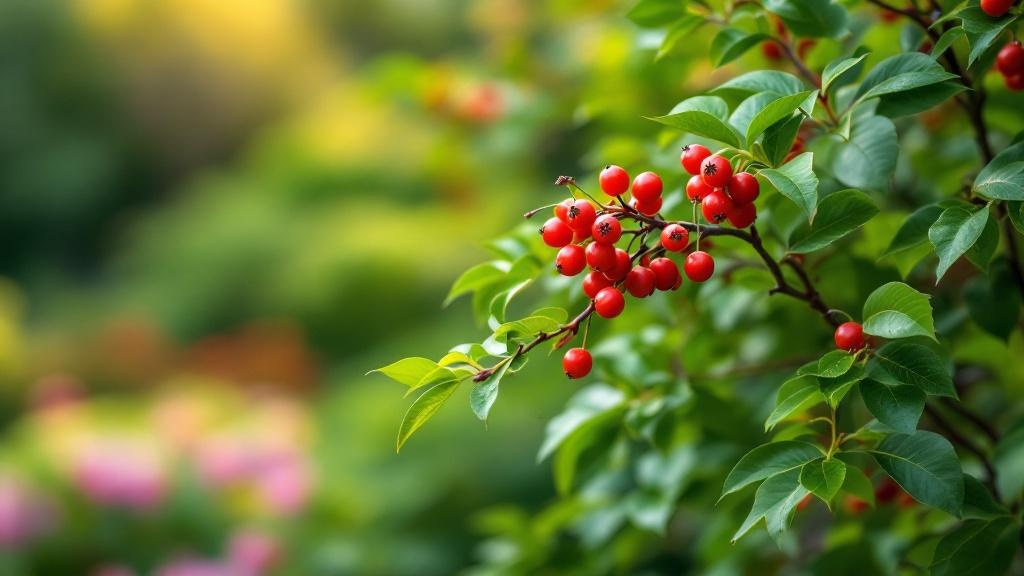
Berries ripen in late June to early July, turning from yellow to deep red. Harvest when fully red for best flavor; under-ripe berries are very tart. The fruit is edible and can be eaten fresh or used for jam, tea, or traditional medicine.
Does Cornelian Cherry need pruning?
No regular pruning is needed; the shrub naturally grows as a compact mound. If desired, thin out crossing or dead branches in late March after flowering. Avoid heavy pruning, as it reduces next season's flowers.
Is Cornelian Cherry toxic to pets?
No, Cornelian Cherry is completely safe for cats, dogs, and other pets. The berries are non-toxic and edible for both humans and animals, though pets may experience mild digestive upset if they eat very large quantities.
🩺 Common diseases and pests
These problems commonly affect this plant. Click any to see full symptom descriptions, organic and chemical treatment, and prevention.