Citron
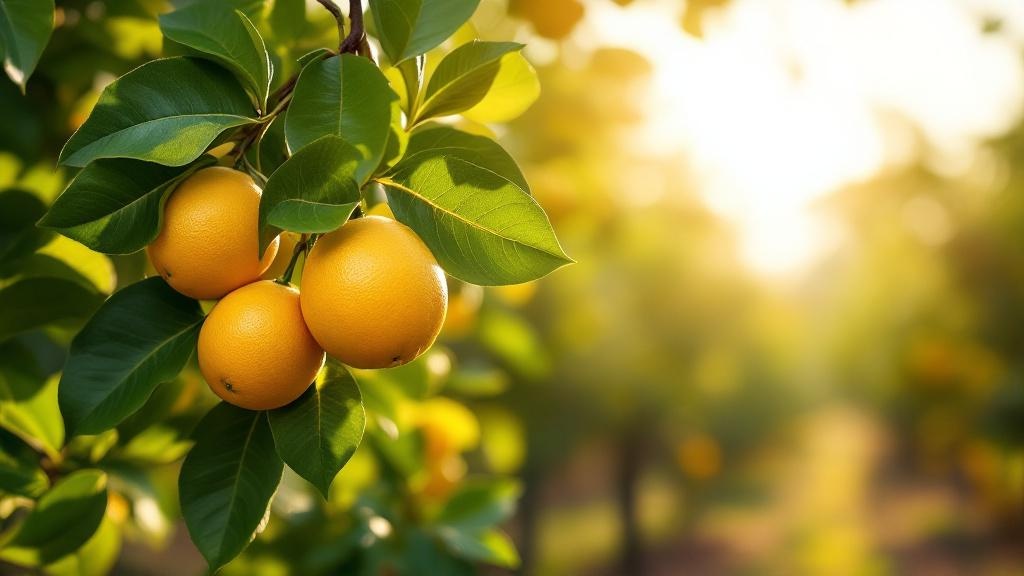
The Citron is the grandfather of all citrus fruits, cultivated for over 3,000 years for its intensely fragrant peel used in cooking and perfumery. If you're searching how to grow citron in cooler climates, you're not alone. The biggest challenge temperate gardeners face is keeping this frost-tender tree alive through winter while still encouraging the fragrant blooms and distinctive bumpy fruits that make Citrus medica so rewarding to grow.
Watering Your Citron Tree Correctly
Water your citron deeply when the top 3-5 cm of soil feels dry, typically every 5-7 days during active growth from April through September. Reduce watering to every 10-14 days in winter when the tree is indoors and growth slows. Always use room-temperature water and ensure pots drain completely, as citrus roots rot quickly in standing water. Yellow leaves that drop often signal overwatering rather than underwatering.
Light Requirements for Healthy Growth
Citron trees demand full sun, requiring at least 6 hours of direct sunlight daily to produce flowers and fruit. From mid-May to late September, place your tree outdoors in the sunniest spot available, ideally a south-facing patio or balcony. During winter indoors, position near a large south-facing window or supplement with a grow light for 10-12 hours daily. Insufficient light causes leggy growth and prevents fruiting.
Soil and Repotting Essentials
Plant your citron in a well-draining, slightly acidic mix with a pH of 5.5-6.5. A blend of quality potting soil, perlite, and pine bark in equal parts works excellently. Repot young trees every 2-3 years in early April, moving up one pot size; mature trees need repotting only every 4-5 years. Always choose containers with drainage holes and consider terracotta pots, which allow roots to breathe.
Temperature and Humidity Management
Citrons thrive between 15-30°C during the growing season and tolerate brief dips to 5°C but suffer damage below freezing. Bring your tree indoors in late September before night temperatures drop below 10°C, placing it in a cool bright room at 8-15°C for winter dormancy. Maintain 50-60% humidity indoors by misting regularly or using a pebble tray, as central heating creates desert-dry conditions that stress citrus.
Fertilizing for Flowers and Fruit
Feed your citron every 2-3 weeks from April through August with a citrus-specific fertilizer high in nitrogen and containing trace elements like iron, zinc, and manganese. Reduce to monthly feeding in early autumn and stop completely from November through February during dormancy. Yellowing leaves with green veins indicate iron chlorosis, common in alkaline tap water areas; treat with chelated iron supplements.
Common Problems and Solutions
Scale insects and spider mites are the most frequent pests on indoor citron trees, appearing as brown bumps or fine webbing on leaves; treat with horticultural oil or insecticidal soap in early infestations. Leaf drop often occurs in autumn when trees are brought indoors due to the sudden change in light and humidity, which is normal and temporary. Root rot from overwatering causes wilting despite moist soil; if caught early, repot into fresh dry soil and reduce watering frequency.
Frequently asked questions
How often should I water a citron tree?
Water your citron every 5-7 days in summer when the top few centimeters of soil are dry. In winter, extend this to every 10-14 days as the tree grows more slowly indoors. Always check soil moisture before watering rather than following a strict schedule.
Why are my citron tree leaves turning yellow?
Yellow citron leaves most commonly indicate overwatering or iron deficiency. If leaves yellow between the veins while veins stay green, apply chelated iron; if entire leaves yellow and drop, reduce watering and ensure drainage is adequate.
When does citron tree bloom?
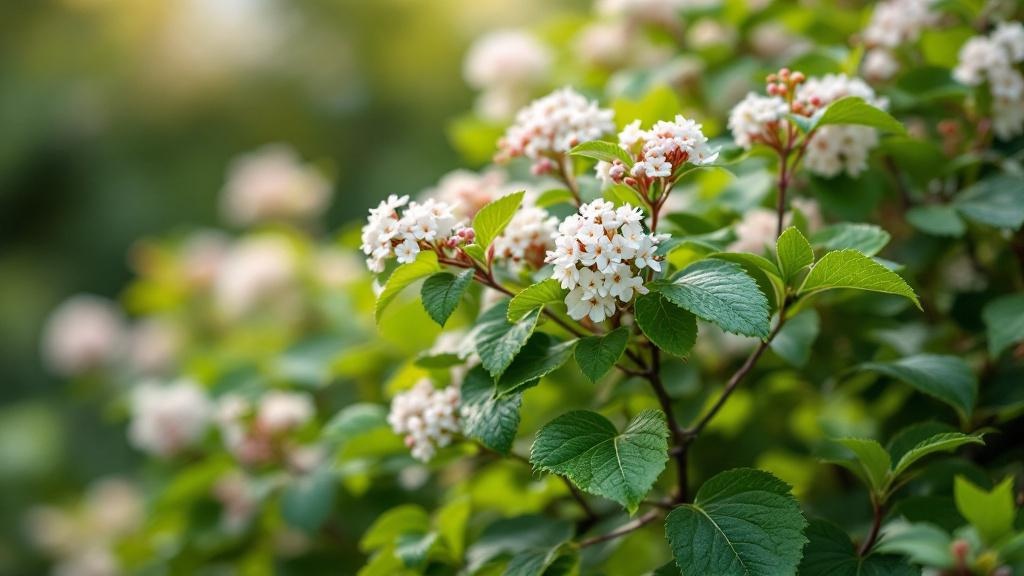
Citron trees typically bloom in late spring and early summer, usually from May through July in temperate climates. The fragrant white-purple flowers can appear on trees as young as 3-4 years old when grown from cuttings, though seed-grown trees take longer.
Can citron trees survive winter outdoors in cold climates?
No, citron trees cannot survive outdoor winters in temperate zones as they suffer damage below 5°C and die at freezing temperatures. Bring your tree indoors in late September and overwinter in a cool, bright location at 8-15°C until mid-May.
How long does it take for citron fruit to ripen?
Citron fruit takes 9-14 months to fully ripen from flower to harvest. The fruit is ready when the thick rind turns from green to bright yellow and becomes fragrant; in temperate climates, expect harvest between late autumn and early spring.