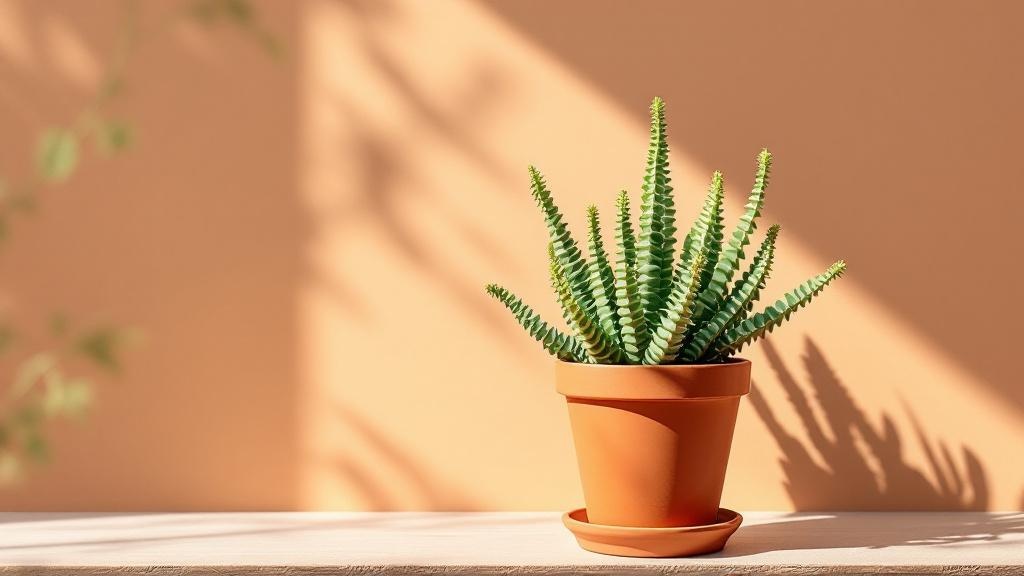
Fishbone Prayer Plant
The Fishbone Prayer Plant captivates with its striking white herringbone pattern and burgundy leaf undersides, making it a showstopper in any temperate home. New plant parents often wonder why their Fishbone's leaves curl or fade indoors — usually it's a light or humidity issue. This Central American beauty is moderately challenging but rewarding once you understand its preferences for consistent warmth and moisture.
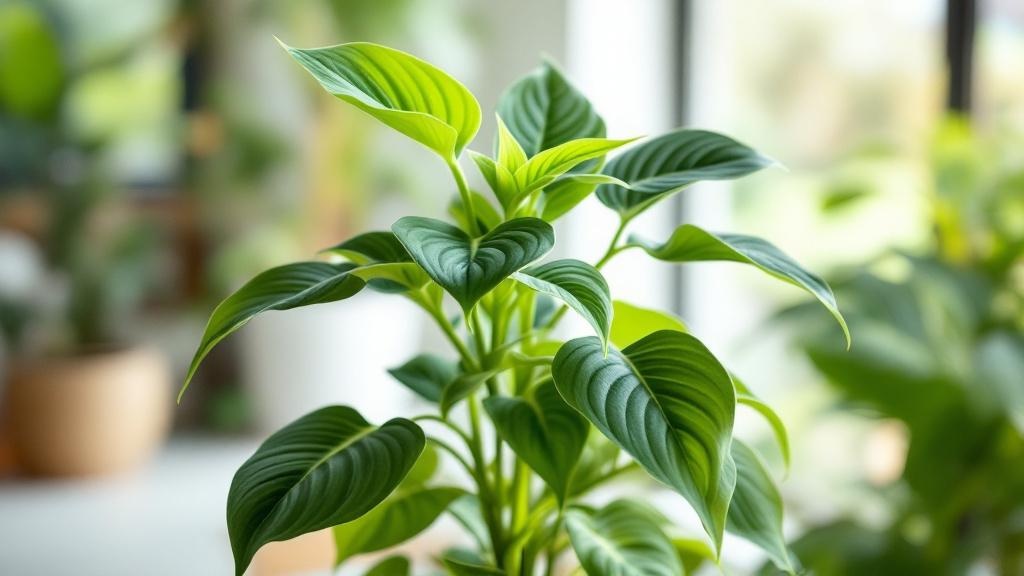
Watering Your Fishbone Prayer Plant
Water every 7-10 days during the growing season (spring through early autumn), keeping the soil consistently moist but never soggy. In winter, reduce watering to every 10-14 days as growth slows. Use room-temperature, preferably filtered water, as Fishbone Prayer Plants are sensitive to chlorine and fluoride. If tap water is heavily treated, let it sit overnight before watering.
Light Requirements for Best Foliage
Fishbone Prayer Plants need bright, indirect light to maintain their distinctive markings and color. Place them within 3-6 feet of an east or north-facing window in temperate regions. Direct afternoon sun, especially through south or west windows in summer, will fade the leaf patterns and scorch the delicate foliage. If leaves look dull or pale, gradually move the plant closer to a light source.
Soil and Repotting Schedule
Use a light, well-draining peat-based potting mix, optionally amended with perlite or orchid bark for added aeration. Repot every 18-24 months in spring, using a pot only 1-2 inches larger than the current one. Fishbone Prayer Plants have shallow root systems and prefer slightly snug conditions. Ensure the pot has drainage holes to prevent root rot, a common issue in cold, damp temperate winters.
Temperature and Humidity Management
Maintain temperatures between 65-75°F year-round; temperatures below 55°F cause leaf damage and dormancy. This plant thrives in humidity of 50-70%, which can be challenging in dry temperate homes. Increase humidity by misting twice weekly, grouping plants together, or using a pebble tray with water beneath the pot. Avoid placing near radiators or cold drafts from windows in winter.
Feeding and Fertilizing
Feed every 3-4 weeks during spring and summer with a balanced, water-soluble houseplant fertilizer diluted to half strength. Reduce feeding in autumn and stop entirely in winter when growth naturally slows. Over-feeding causes salt buildup in the soil, which damages roots and causes leaf browning. If using hard tap water, fertilizer buildup is more likely — flush the soil monthly with distilled water.
Common Problems and Solutions
Curling or rolling leaves often indicate low humidity or inconsistent watering — mist daily and check soil moisture. Yellow or brown leaf edges suggest hard water, fluoride sensitivity, or nutrient deficiency; switch to filtered water and verify feeding schedule. Spider mites, mealybugs, and scale insects can attack Fishbone Prayer Plants indoors, especially in heating season; inspect the undersides of leaves regularly and treat infestations with insecticidal soap diluted per label directions.
Frequently asked questions
How often should I water a Fishbone Prayer Plant?
Water every 7-10 days during the growing season, keeping soil consistently moist but never waterlogged. In winter, extend to every 10-14 days as growth slows. Always use room-temperature water, preferably filtered, since these plants are sensitive to chlorine.
Why are the leaves on my Fishbone Prayer Plant curling?
Curling leaves usually signal low humidity or inconsistent watering. Fishbone Prayer Plants prefer 50-70% humidity and consistently moist (not soggy) soil. Increase humidity by misting twice daily and check that soil isn't drying out between waterings.
Can I grow a Fishbone Prayer Plant in low light?
Low light will cause the plant to weaken and lose its distinctive silvery markings. Fishbone Prayer Plants need bright, indirect light within 3-6 feet of a window. If your home lacks natural light, consider supplemental grow lights positioned 12 inches above the plant.
Is the Fishbone Prayer Plant toxic to cats and dogs?
No, the Fishbone Prayer Plant is completely safe for cats, dogs, and other pets. You can confidently place it in homes with curious animals without worrying about toxicity, though you should still protect it from being knocked over or chewed.
What causes brown leaf tips on Fishbone Prayer Plants?
Brown tips typically result from hard water, fluoride sensitivity, low humidity, or salt buildup from over-fertilizing. Switch to filtered or distilled water, mist regularly, reduce fertilizer frequency, and flush the soil occasionally with distilled water to remove accumulated salts.