Firethorn
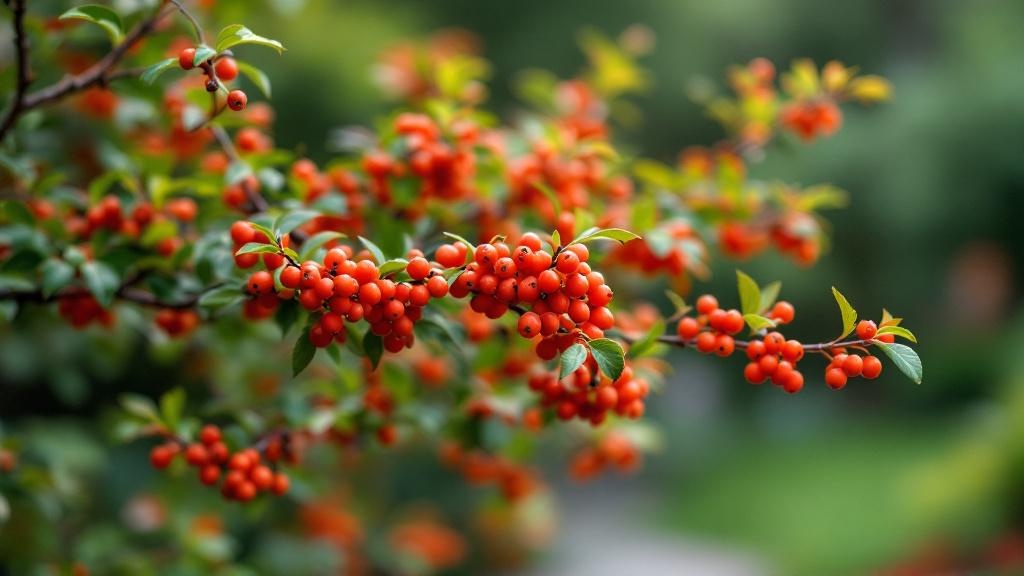
Firethorn earns its dramatic name with clusters of fiery berries that blaze against dark green foliage from September well into February. The question gardeners ask most: how do I prune Firethorn without sacrificing next year's berries? This thorny beauty rewards those who understand its flowering cycle. Native to southern Europe, Pyracantha coccinea has become a garden staple in temperate climates for its year-round interest and exceptional hardiness down to minus 20 degrees Celsius.
Watering Your Firethorn Through the Seasons
Water newly planted Firethorn weekly during the first growing season to establish deep roots. Once established after 12 to 18 months, Pyracantha is remarkably drought-tolerant and typically needs no supplemental watering except during prolonged dry spells in July and August. In containers, check soil moisture weekly year-round and water when the top 5 centimetres feel dry. Reduce watering in winter but never let container-grown plants dry out completely.
Light Requirements for Maximum Berry Production
Plant Firethorn in full sun for the heaviest flower and berry display. A south or west-facing position against a wall is ideal, providing warmth and reflected light. The shrub tolerates partial shade but produces fewer berries in low-light conditions. When growing as an espalier on north-facing walls, expect green foliage but reduced fruiting.
Soil and Repotting Firethorn
Firethorn adapts to clay, loam, chalk, and sandy soils as long as drainage is adequate. Avoid waterlogged positions where root rot can develop. When planting, dig a hole twice the root ball width and incorporate garden compost. For container growing, use a soil-based compost like John Innes No. 3 and repot every 3 to 4 years in early March before new growth begins.
Temperature and Humidity Tolerance
This tough shrub handles British winters, Central European frosts, and Northern US conditions in USDA zones 5 through 8 without protection. Young plants benefit from windbreak positioning during their first winter. Firethorn tolerates urban pollution and coastal salt spray better than most berry-producing shrubs. Humidity is rarely a concern, though good air circulation helps prevent fungal issues in damp summers.
Feeding Your Firethorn for Best Results
Apply a balanced slow-release fertiliser in late March when growth resumes. A second light feed in late June supports berry development. Avoid high-nitrogen feeds after July as this promotes soft growth vulnerable to winter damage. Established shrubs in good garden soil often thrive without feeding, but container plants need consistent nutrition throughout the growing season.
Common Problems and How to Fix Them
Firethorn scab causes black spots on leaves and berries, especially in wet springs. Improve air circulation through pruning and avoid overhead watering. Woolly aphids appear as white cotton-like masses on stems from May onwards. Treat with insecticidal soap or blast off with strong water spray. Fireblight is a serious bacterial disease causing blackened, wilted shoots. Prune affected branches 30 centimetres below damage in dry weather and sterilise tools between cuts.
Frequently asked questions
When should I prune Firethorn?
Prune Firethorn in late spring after flowering, typically mid-May to early June in temperate climates. This timing preserves the developing berries while controlling size and shape. For wall-trained plants, a second light trim in late August tidies growth without removing too many berry clusters.
Why does my Firethorn have no berries?
No berries usually means the flower buds were pruned off or damaged by late frost. Firethorn flowers on previous year's growth, so heavy winter pruning removes next season's display. Cold snaps in April and May can also kill flower buds. Plant in a sheltered south-facing spot and prune only after flowering.
Is Firethorn toxic to cats and dogs?
Firethorn berries are mildly toxic to pets, causing stomach upset, vomiting, and diarrhoea if eaten in large quantities. The thorns present a greater practical hazard than the toxicity. Most pets avoid the berries due to their bitter taste, but supervise curious puppies around fruiting shrubs.
How fast does Pyracantha grow?
Pyracantha grows 30 to 60 centimetres per year in good conditions, reaching 3 to 4 metres in height and spread if left unpruned. You can maintain it at any size through annual pruning. Expect a well-established hedge or wall cover within 4 to 5 years of planting.
Why are my Firethorn leaves turning yellow?
Yellow leaves on Firethorn typically indicate waterlogged soil or root stress from drought. Check drainage and adjust watering accordingly. Yellowing with black spots suggests Firethorn scab fungal infection, common after wet weather. Remove affected leaves and improve air circulation through selective pruning.