Cuban Oregano
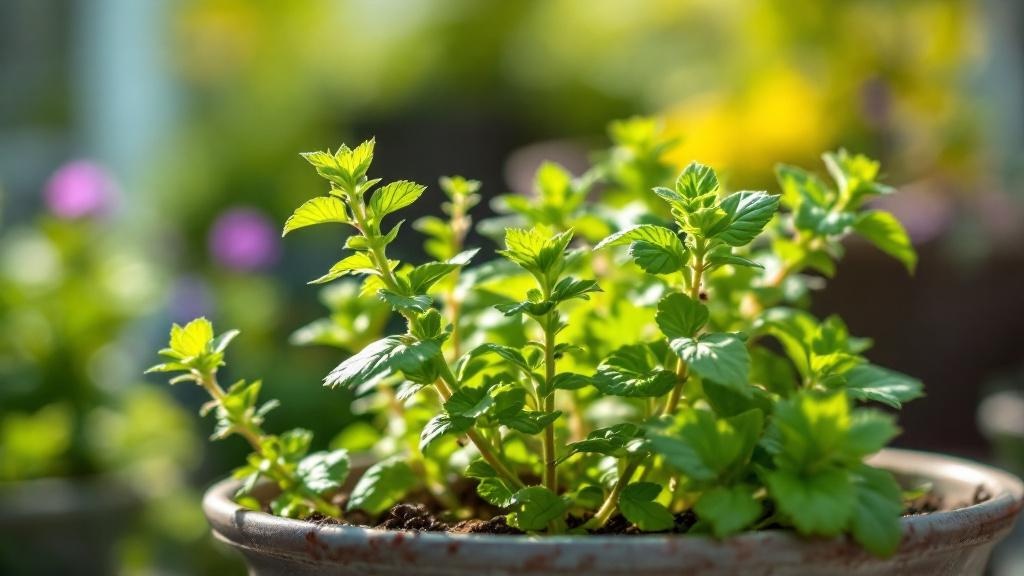
Cuban Oregano is a wonderfully aromatic herb that brings bold, oregano-like flavor to your kitchen while being remarkably easy to grow. Despite its name, it is not a true oregano but belongs to the mint family. The most common question gardeners ask is how to keep this frost-tender tropical alive through cold winters. In temperate climates, Cuban Oregano thrives as a houseplant or summer patio herb, requiring minimal fuss as long as you protect it from temperatures below 10°C.
Watering Your Cuban Oregano Correctly
Water your Cuban Oregano every 7-10 days during the growing season, allowing the top 3-4 cm of soil to dry between waterings. In winter, reduce watering to every 2-3 weeks as growth slows significantly. The succulent leaves store water, making this plant drought-tolerant but susceptible to root rot from overwatering. Always use pots with drainage holes and empty saucers after watering.
Light Requirements for Healthy Growth
Cuban Oregano thrives in bright indirect light to full sun, needing at least 4-6 hours of light daily. In temperate climates, place it on a south or west-facing windowsill from October through April. During summer, it flourishes outdoors on a sunny patio or balcony. Insufficient light causes leggy growth and reduced fragrance in the leaves.
Soil and Repotting Guidelines
Use a well-draining potting mix, ideally combining standard potting soil with 30% perlite or coarse sand. Cuban Oregano has a relatively shallow root system and does well in slightly smaller pots. Repot in early April when you see roots emerging from drainage holes, typically every 1-2 years. Choose a pot only 2-3 cm larger than the current one to prevent waterlogging.
Temperature and Humidity Needs
Cuban Oregano prefers temperatures between 15-30°C and cannot tolerate frost. Bring outdoor plants inside in mid-September before night temperatures drop below 10°C. Average household humidity of 40-60% is perfectly adequate. Avoid placing plants near cold drafts, radiators, or air conditioning vents during winter months.
Fertilizing for Lush Foliage
Feed your Cuban Oregano every 3-4 weeks from April through September using a balanced liquid fertilizer diluted to half strength. Avoid fertilizing during winter when the plant is semi-dormant. Over-fertilizing reduces the essential oil concentration in leaves, diminishing the aromatic flavor you are growing it for.
Common Problems and Solutions
Spider mites are the most frequent pest in dry indoor conditions during winter heating season; increase humidity and wipe leaves with a damp cloth weekly. Mealybugs may appear in leaf joints and can be treated with a cotton swab dipped in rubbing alcohol. Root rot from overwatering causes yellowing lower leaves and mushy stems; reduce watering immediately and repot in fresh, dry soil if needed.
Frequently asked questions
How often should I water Cuban Oregano?
Water your Cuban Oregano every 7-10 days during spring and summer, allowing the soil to partially dry between waterings. In winter, reduce frequency to every 2-3 weeks. The thick succulent leaves indicate this plant prefers underwatering to overwatering.
Can Cuban Oregano survive winter outdoors in the UK?
No, Cuban Oregano cannot survive winter outdoors in the UK or similar temperate climates. This tropical plant dies when exposed to temperatures below 10°C. You must bring it indoors by mid-September and keep it as a houseplant until late May when frost risk has passed.
Why are my Cuban Oregano leaves turning yellow?
Yellow leaves on Cuban Oregano most commonly indicate overwatering or root rot. Check if the soil is staying too wet and reduce watering frequency. Other causes include insufficient light during winter months or natural shedding of older lower leaves, which is normal.
Is Cuban Oregano toxic to cats?
Yes, Cuban Oregano is mildly toxic to cats and dogs. Ingestion can cause vomiting, diarrhea, and digestive discomfort. Keep the plant out of reach of curious pets, especially cats who may be attracted to its strong scent.
How do I propagate Cuban Oregano?
Cuban Oregano propagates extremely easily from stem cuttings. Cut a 10-15 cm stem just below a leaf node, remove the lower leaves, and place in water or moist soil. Roots develop within 1-2 weeks. Late spring is the ideal time for propagation when growth is most vigorous.